


Top 15 Open Source AI Platforms & Libraries

Deploying your own AI model or, in some cases, fine-tuning pre-existing models comes with several challenges:
- Choosing a cloud provider: You may deeply integrate with one provider, making it difficult to switch later on when needed.
- Scarcity of GPU resources: If your deployment is confined to a geographic location, you may encounter shortages of available GPU resources due to high demand in that region.
- Cloud lock-in and scalability: Many platforms tie you to specific cloud services.
Open-source platforms that offer unified APIs help address these challenges by enabling multi-cloud deployment and optimizing GPU resource management. Below, we list 15 examples of open source platforms/libraries:
Tool / Platform | Category | Best suited for & key strengths |
|---|---|---|
TensorFlow | Machine learning frameworks | Production ML, scalable training, deployment pipelines |
PyTorch | Machine learning frameworks | Research, experimentation, deep learning prototyping |
JAX | Machine learning frameworks | Fast numerical computing, advanced ML research |
Keras | Machine learning frameworks | Beginners, rapid model development, simplified deep learning |
Scikit-learn | Machine learning frameworks | Traditional ML, easy-to-use workflows, small/medium datasets |
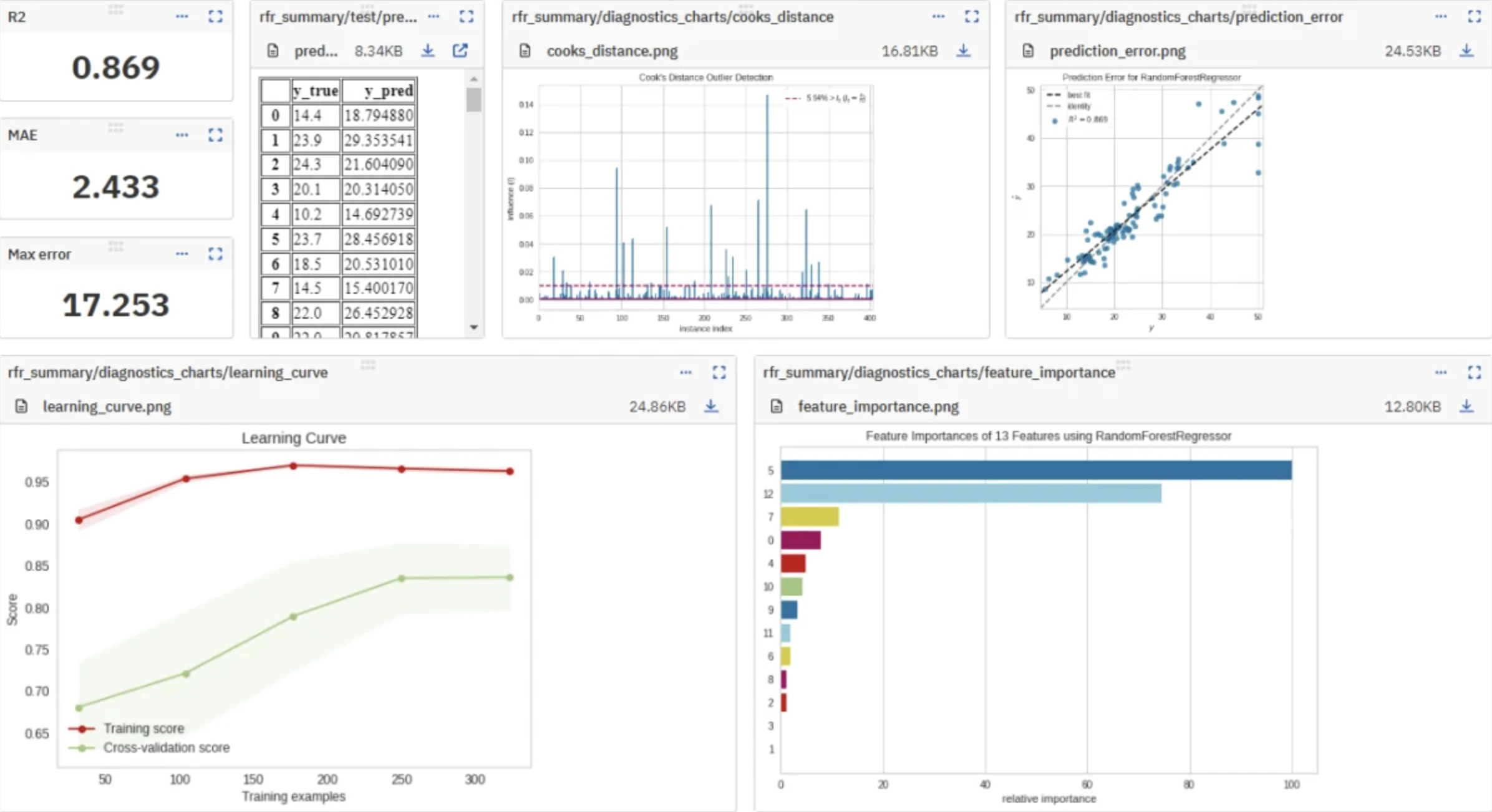
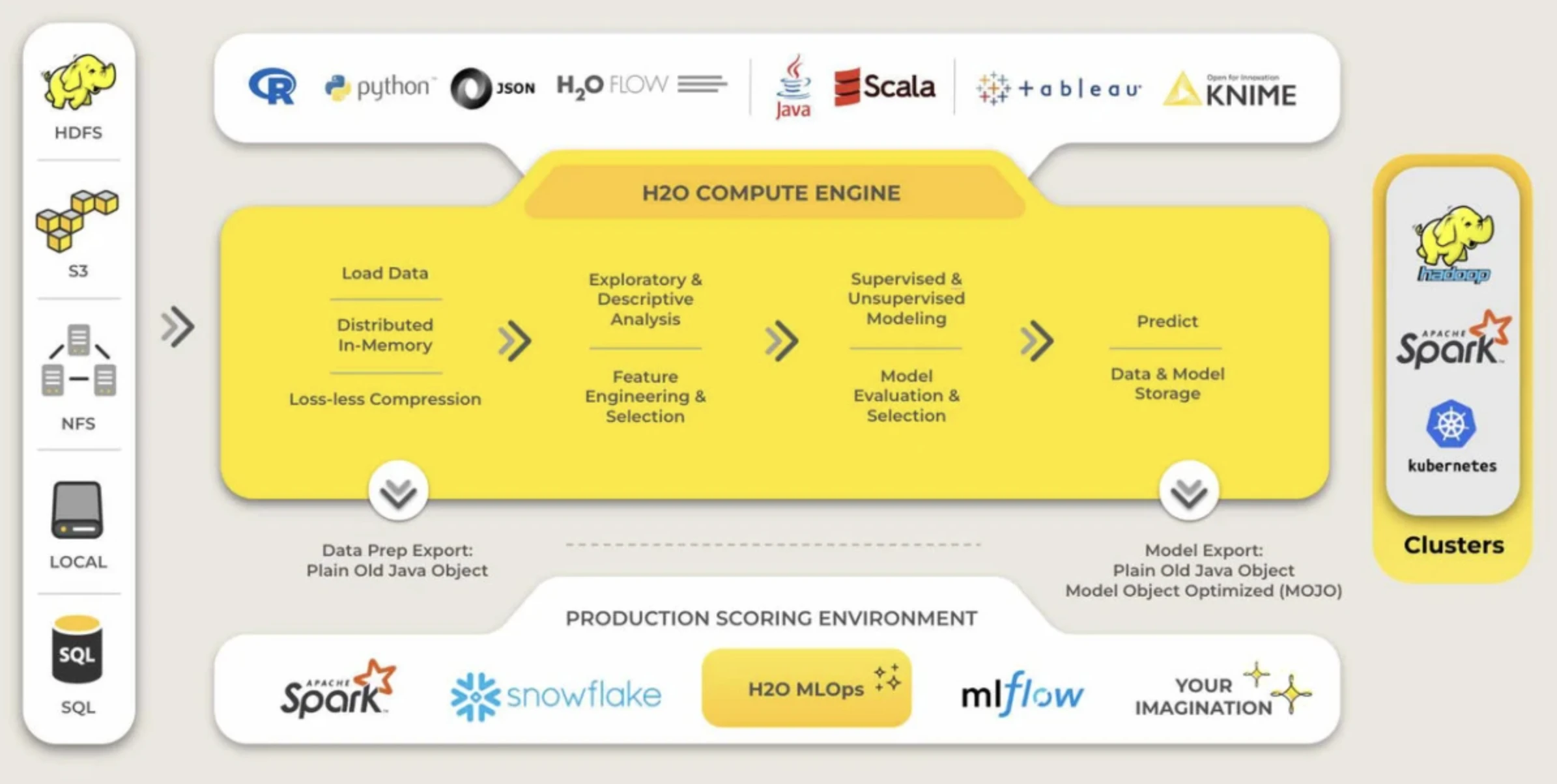
H2O.ai | AutoML & distributed ML platforms | AutoML, big data ML, scalable model building |
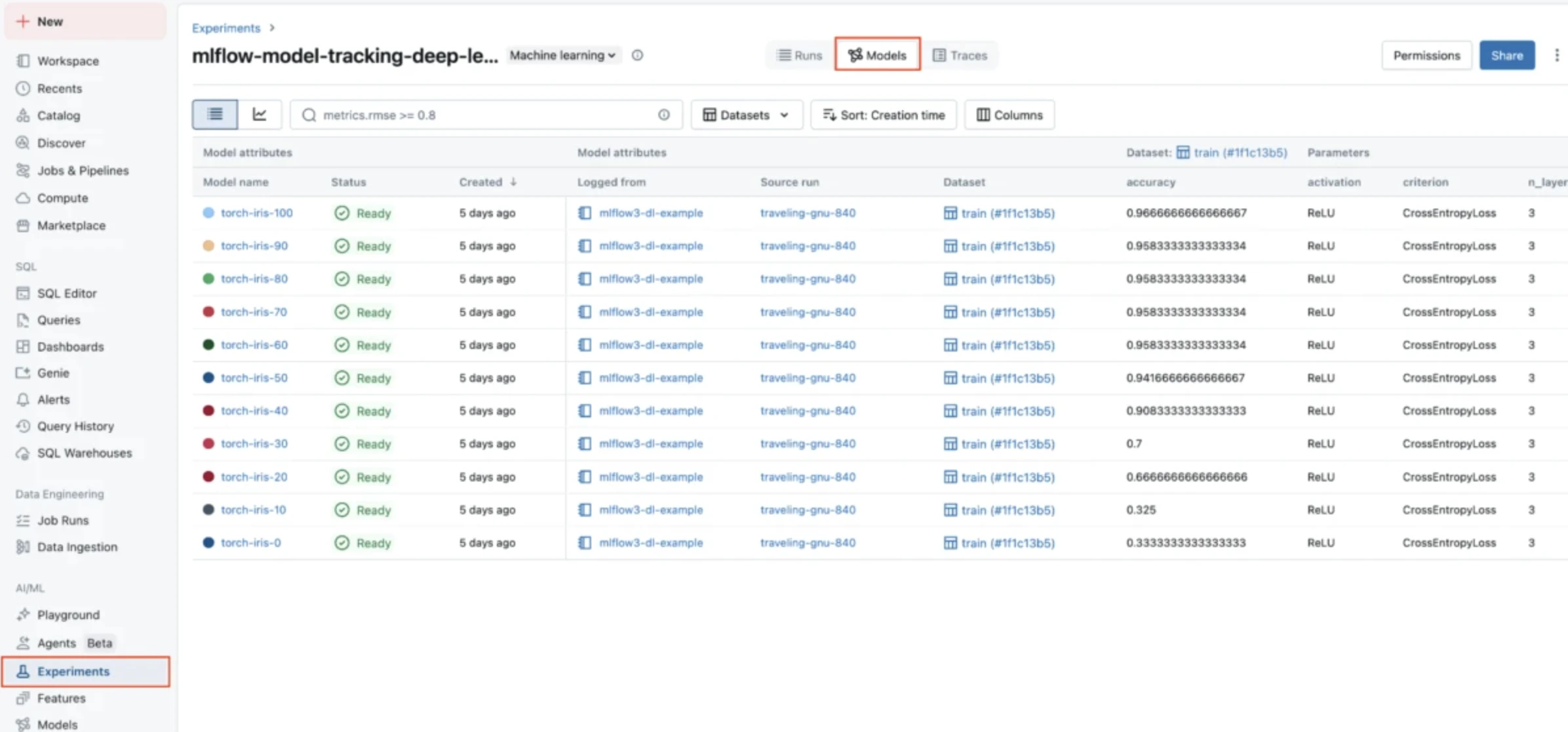
MLflow | AutoML & distributed ML platforms | Experiment tracking, model management, reproducible ML workflows |
Hugging Face Transformers | Large Language Model ecosystems | Pre-trained models, NLP, multimodal AI, model sharing |
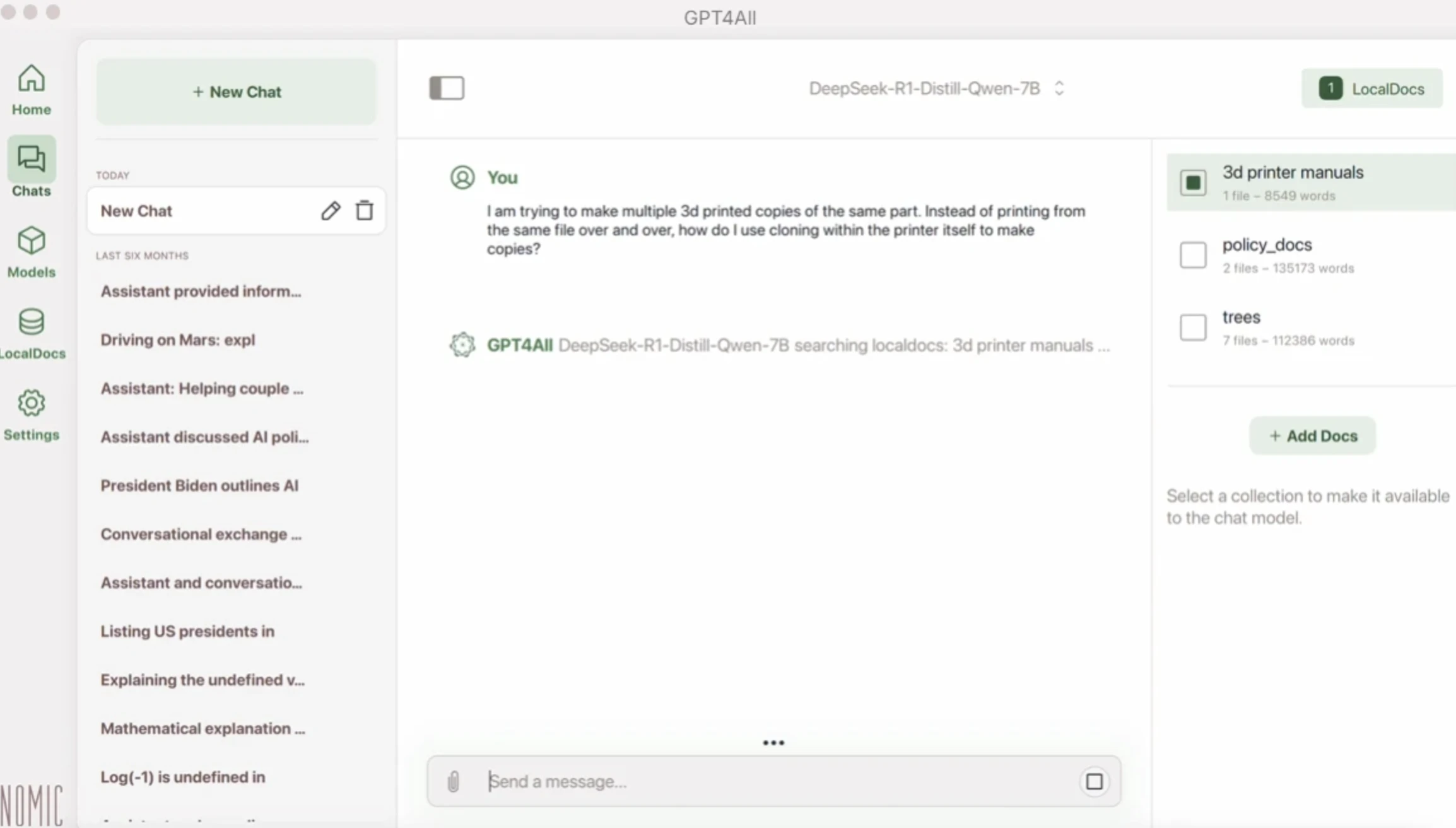
GPT4All | Large Language Model ecosystems | Local LLM usage, offline inference, privacy-focused workflows |
Open WebUI | Large Language Model ecosystems | Self-hosted LLM interfaces, document-based retrieval, extensibility |
Brief overview of open-source platforms and libraries
When choosing these platforms, we focused mainly on how well they scale, how easy they are to integrate, and whether they are ready for enterprise use.
You can click the links to explore detailed explanations for each one:
1. Machine learning frameworks:
- TensorFlow: A library for large-scale ML training and production deployment. Enable model training on CPUs, GPUs, and TPUs.
- PyTorch: A Pythonic deep learning framework with dynamic computational graphs. Best for research and experimentation in deep learning. Limited TPU support.
- JAX: A platform for high-performance numerical computing and ML research. Aims for fast execution of numerical computations on CPUs, GPUs, and TPUs.
- Keras: A high-level API for deep learning that runs on top of frameworks like TensorFlow. It has a beginner-friendly syntax.
- Scikit-learn: An open-source Python library for classical ML tasks such as classification, regression, and clustering. Provides an easy-to-use API. Works well on small/medium datasets.
2. AutoML & distributed ML platforms:
- H2O.ai: A distributed platform for automating ML workflows on big data.
- MLflow: A platform for managing the ML lifecycle. It supports experiment tracking, model packaging, and works with TensorFlow, PyTorch, scikit-learn, R.
3. Large Language Model (LLM) ecosystems:
- Hugging Face Transformers: A platform/library with 63,000+ pre-trained models for text, vision, audio, and multimodal tasks. It integrates with TensorFlow, PyTorch, and JAX.
- GPT4All: An ecosystem for running LLMs locally on CPUs or GPUs, online or offline. Supports 1,000+ models like LLaMA, Mistral, and DeepSeek R1.
- Open WebUI: Self-hosted web interface for interacting with LLMs that supports multiple model providers, document-based retrieval (RAG), and extensible plugins.
4. Conversational AI platforms:
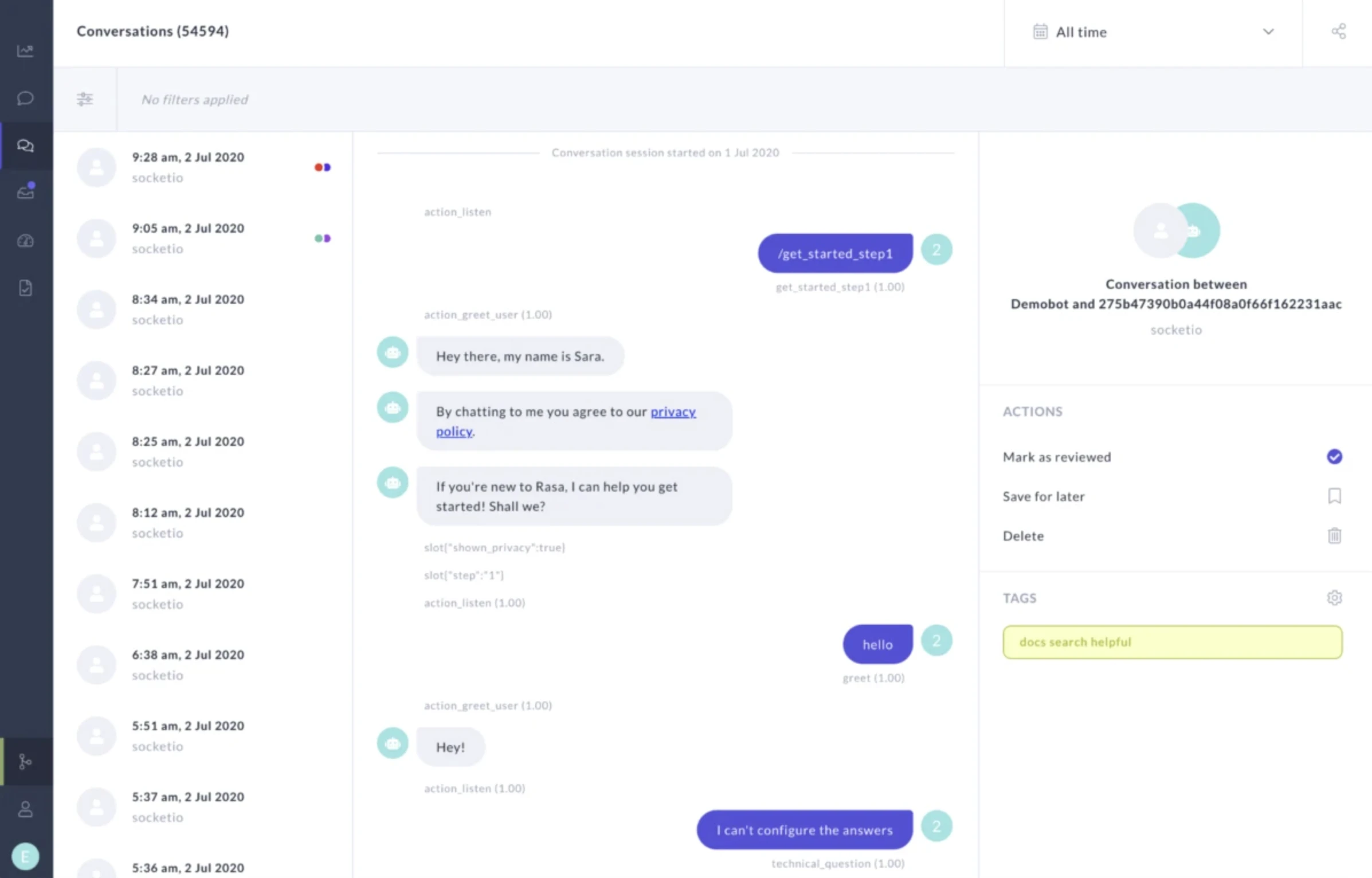
- Rasa: Platform for building chatbots and virtual assistants. Offers tools for conversation review, tagging, and collaboration.
- Botpress: Platform with visual flow design and GPT integrations. Combines drag-and-drop building with code-level customization.
5. Agent platforms:
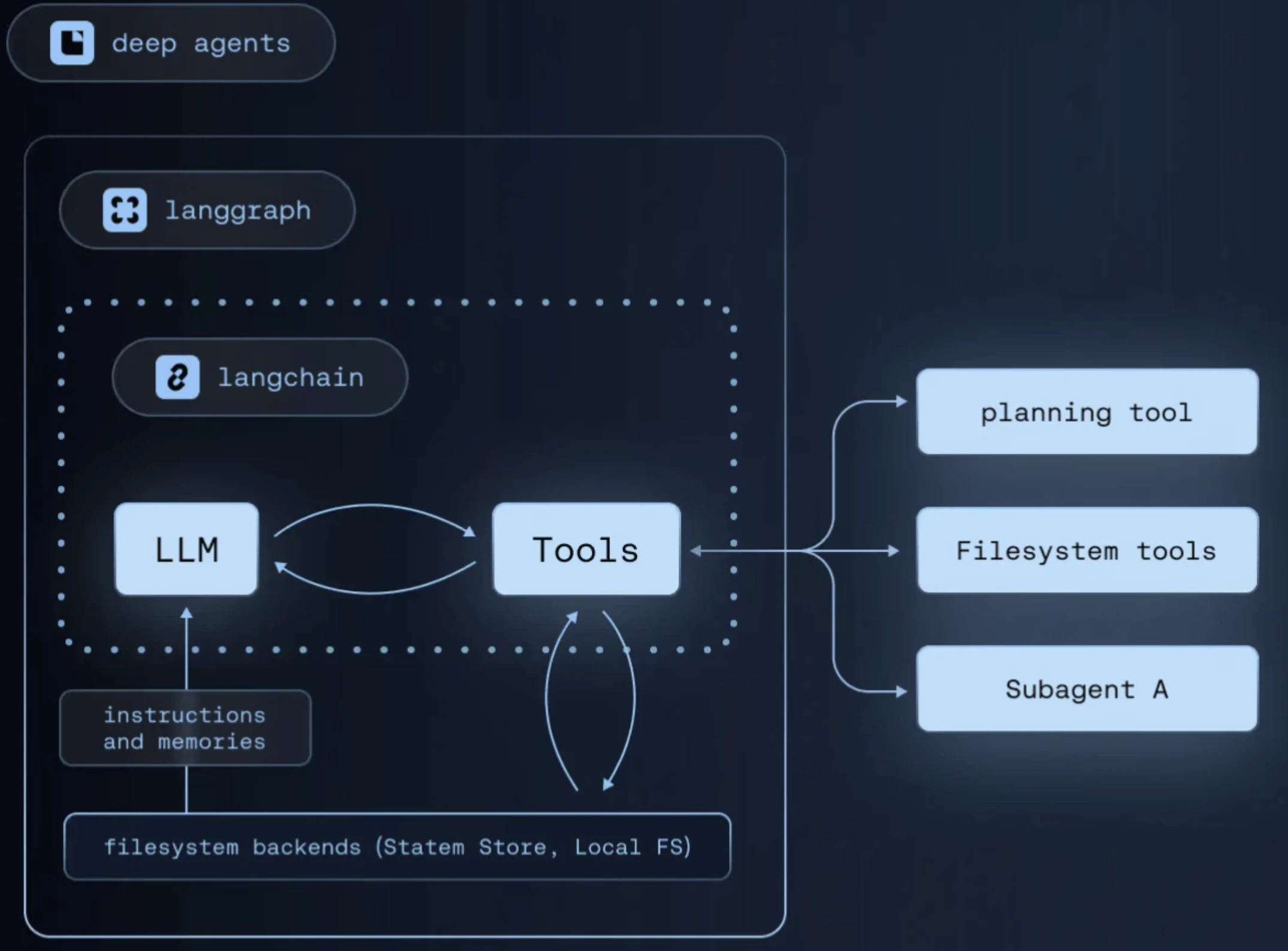
- Langchain Deep Agents: Provides a framework for building AI agents with task planning, subagent delegation, persistent memory, and tool integration capabilities.
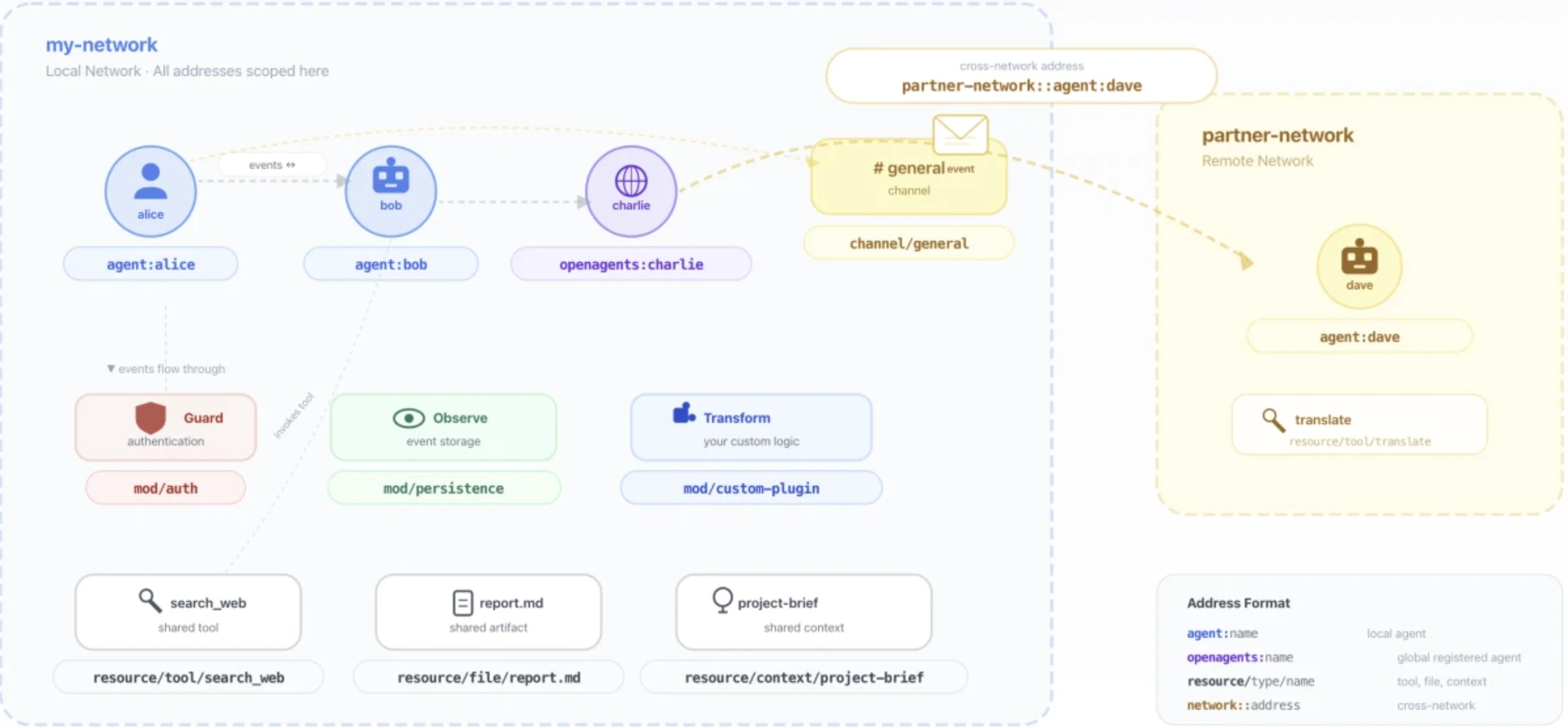
- OpenAgents: Enables networks of AI agents to discover each other, communicate, and collaborate on tasks through modular architecture and standardized communication protocols.
- OpenClaw: Acts as a self-hosted gateway that connects AI models to messaging platforms, allowing users to automate tasks.
1. Machine learning frameworks
TensorFlow
TensorFlow, developed by the Google Brain team, is an open-source library for numerical computation and large-scale machine learning. It uses data flow graphs (a diagram where operations are nodes and data flows along connecting lines) to build models, making it scalable and suitable for production.
TensorFlow supports multiple hardware types including CPUs, GPUs, enabling deployment across web, mobile, edge, and enterprise systems.
- Abstraction with Keras: TensorFlow integrates with Keras, a high-level API that reduces complexity in model building and training. This makes it easier for beginners to get started while still offering customization.
- Production readiness: TensorFlow is widely used in production. It supports distributed computing (running across many machines at once) and offers deployment tools like TensorFlow Serving, TensorFlow Lite, and TensorFlow.js.
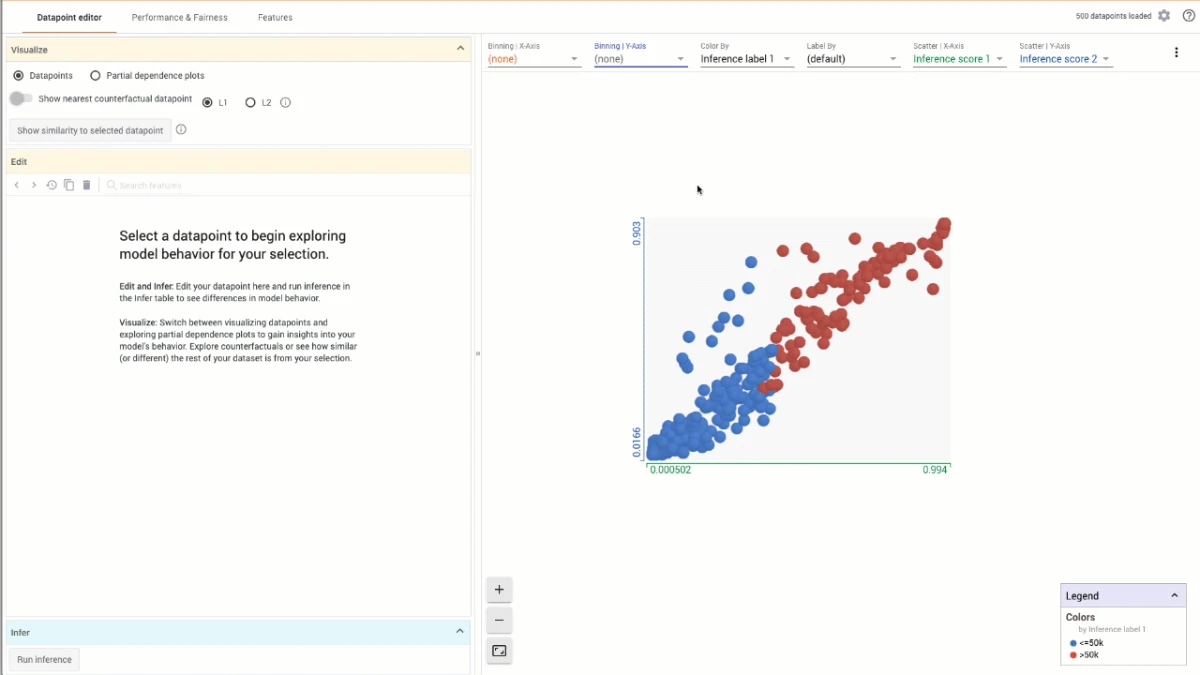
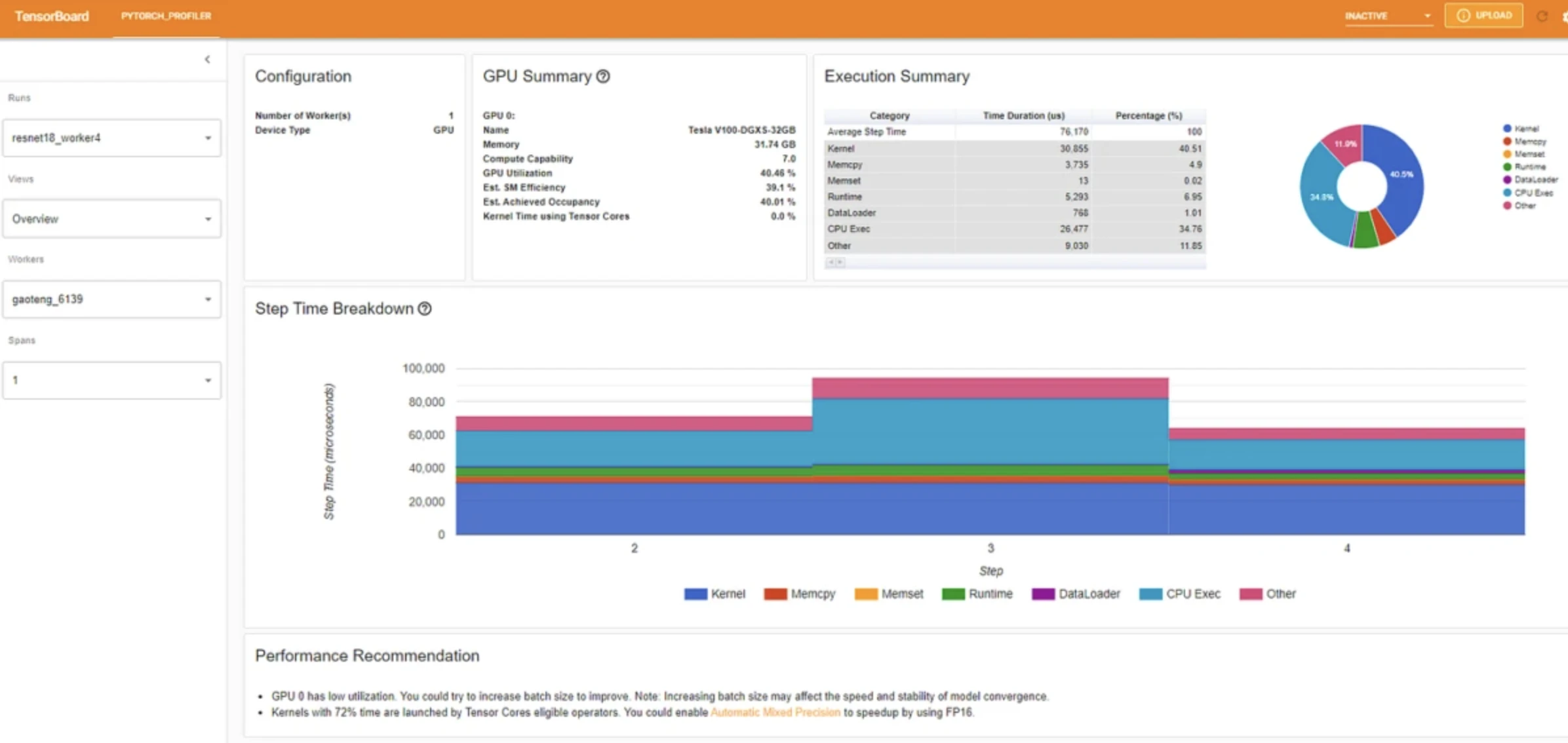
- TensorBoard: Includes TensorBoard, a visualization tool for monitoring training, performance, and model structure. Helpful for debugging and optimization.
TensorFlow’s limitations
- Primarily focused on numerical data: TensorFlow is good for numerical computation (e.g., image, text, and signal data) but is less effective for symbolic reasoning tasks such as rule processing or knowledge graph reasoning.
PyTorch
PyTorch, developed by Facebook’s AI Research lab, is an open-source library for machine learning and deep learning.
- Ecosystem maturity: PyTorch supports research with dynamic computational graphs and model interoperability through ONNX.
- Production deployment is increasingly handled through external serving frameworks such as vLLM and NVIDIA Triton Inference Server. Earlier tooling, such as TorchServe, previously used for model deployment, has been archived and is no longer actively maintained.
- Dynamic computational graphs: Allows changes to the model architecture during runtime, enabling flexibility for experimentation and research.
- Ease of debugging: Similar to a programming language, PyTorch provides detailed error messages and supports step-by-step debugging.
- PyTorch Lightning: A community-driven wrapper that streamlines PyTorch code with high-level abstractions. Though not officially part of PyTorch, it improves usability and is often likened to TensorFlow’s Keras.
PyTorch’s limitations
- Primarily focused on deep learning: PyTorch is heavily optimized for deep neural networks but can be less versatile for broader AI tasks such as probabilistic modeling.
JAX
JAX was introduced publicly around 2018 and developed by the Google+ community.
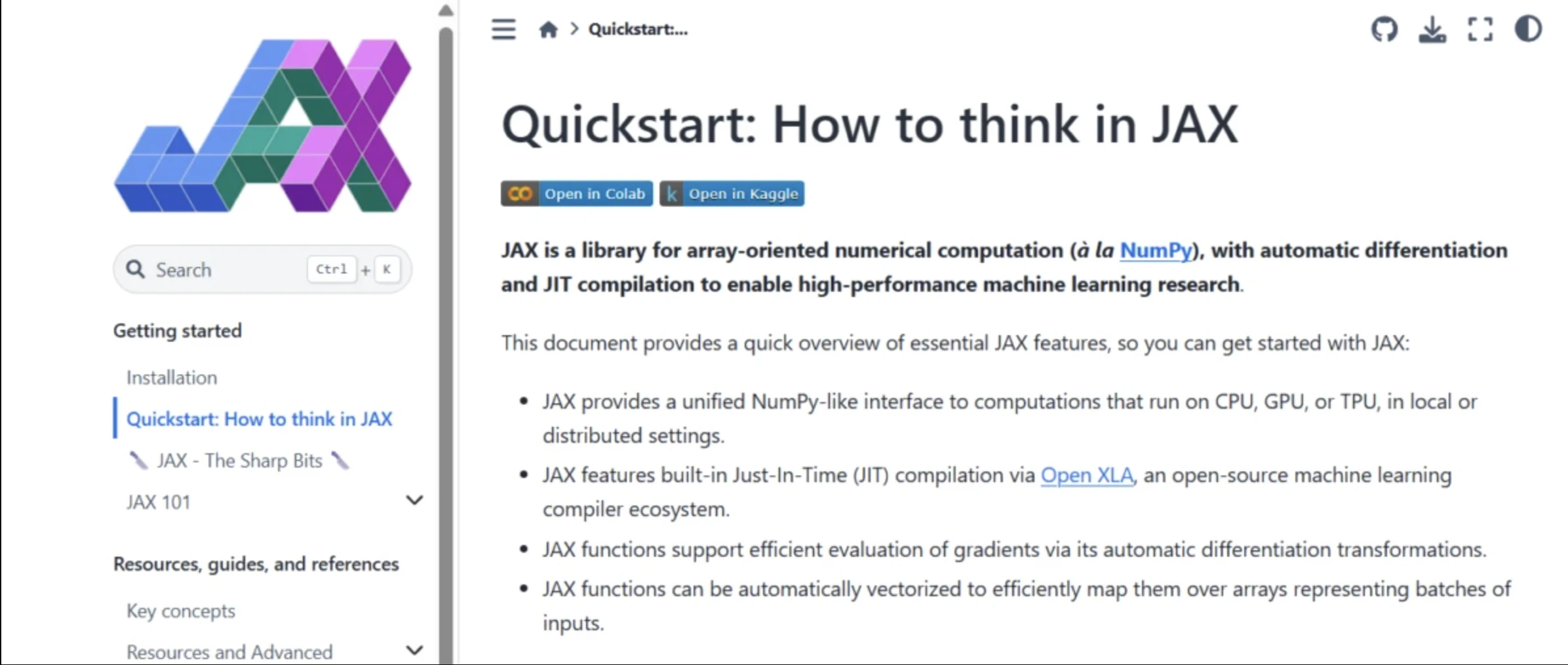
The name stands for ‘Just Another XLA,’ with XLA referring to Accelerated Linear Algebra. JAX is recognized for its strengths in numerical computation and automatic differentiation.
- Automatic differentiation: JAX can automatically compute the amount each parameter in a model should adjust to improve accuracy.
- This process is called backpropagation (comparing the model’s prediction with the correct result and then propagating the error backward through the network to update its parameters).
- By automating these calculations, JAX eliminates the need for manual gradient coding.
- Hardware acceleration: Runs on CPUs, GPUs, and TPUs.
- Parallelization and vectorization: Distributes workloads across multiple devices automatically, improving scalability.
JAX’s limitations
- Smaller ecosystem: Compared to TensorFlow or PyTorch, JAX has fewer third-party libraries and tutorials.
- Limited production tools: Lacks a mature suite of production-ready deployment tools.
Note: Though not full AI platforms, libraries like Keras (a high-level API for deep learning) and Scikit-learn (for classical machine learning) are often included in open-source AI tools:
Keras
Keras is a high-level API for building and training deep learning models. It runs primarily on top of TensorFlow, though it can also integrate with other backends. Its high-level API is intuitive for beginners yet flexible enough for the development of more complex neural networks.
- Backend flexibility: Runs on top of multiple backends such as TensorFlow and PyTorch.
- Efficient implementation: Supports XLA compilation (accelerated linear algebra) for faster model training and inference.
Keras’ limitations
- Lower-level control: Provides less fine-grained control compared to directly using backend libraries like TensorFlow or PyTorch.
- Narrow focus: Primarily designed for deep learning.
Scikit-learn
Scikit-learn (often called sklearn) is an open-source Python library for machine learning. It is built on top of NumPy (numerical computing) and Matplotlib (data visualization), and provides a wide range of tools for data preprocessing, modeling, and evaluation.
The library focuses on core machine learning tasks such as classification, regression, and clustering.
- Wide algorithm coverage: Implements most classical ML techniques, including linear regression, decision trees, SVMs, k-means, and ensemble methods.
- Integration: Built on top of NumPy and SciPy, it is compatible with the broader Python data science ecosystem.
Scikit-learn’s limitations
- Not suited for deep learning: Unlike TensorFlow or PyTorch, it does not handle neural networks or large-scale deep learning tasks.
- Performance limits: Optimized for small to medium-sized datasets; less efficient for large-scale data compared to distributed frameworks.
- Less specialized for production: Primarily designed for research and prototyping rather than large-scale deployment.
2. AutoML & distributed ML platforms
H2O.ai
H2O.ai is a distributed in-memory machine learning platform. It supports widely used statistical and machine learning algorithms such as gradient boosted machines (GBM), generalized linear models (GLM), and deep learning.
- Automated workflows: Executes the end-to-end machine learning process (training, tuning, and evaluating multiple models) within a user-defined time limit.
- Distributed in-memory processing: Data is processed across multiple nodes (machines or servers) in a network, with each node storing part of the data in memory (RAM) rather than relying on slower disk storage. So, if you are analyzing terabytes of data, having the data in memory enables faster computations
H2O.ai’s limitations
- Resource-intensive: Distributed in-memory design may require significant computational resources.
- Less flexibility for research: Optimized for applied machine learning and AutoML workflows. Not a good fit for custom research tasks.
MLflow
MLflow is an open-source platform designed to support the development of machine learning models and generative AI applications. It has four core components:
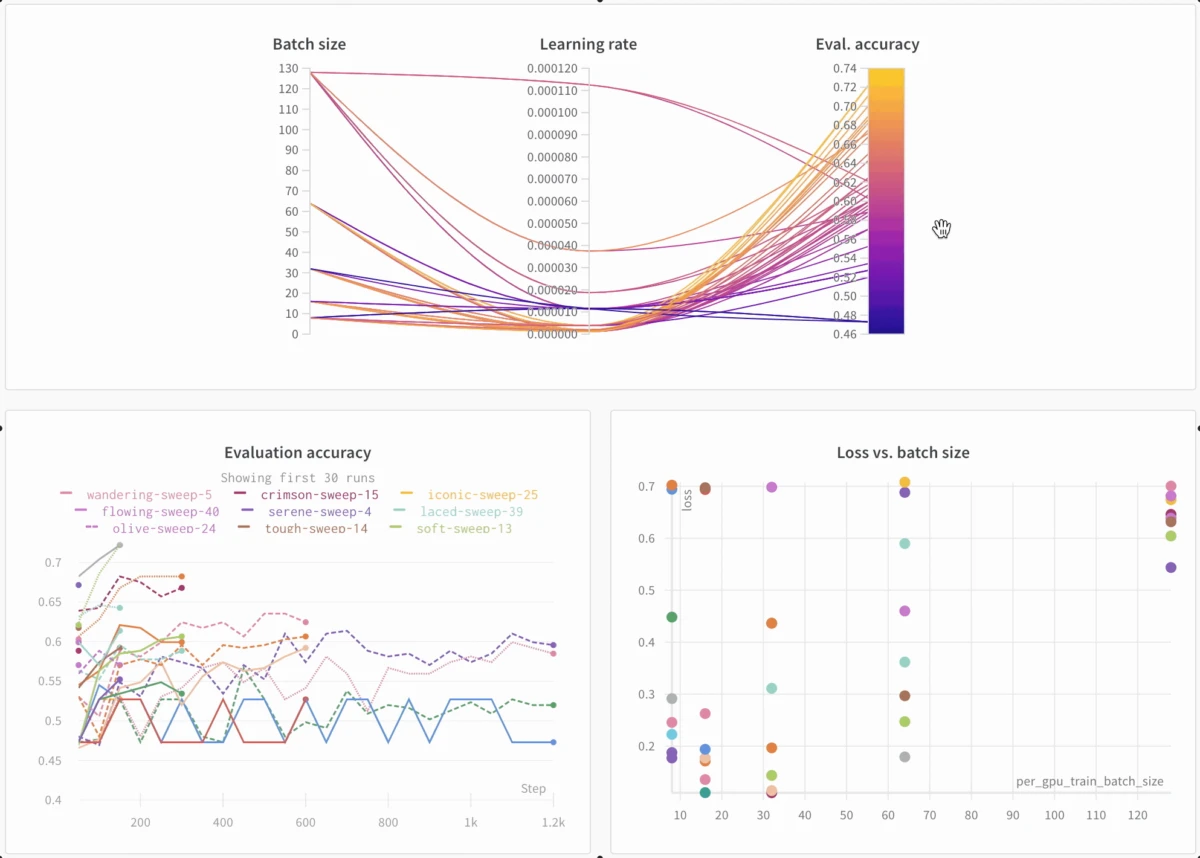
- Tracking: Enables experiment tracking by logging parameters, metrics, and results, making it easy to compare different runs.
- Models: Offers tools to package, manage, and deploy models from diverse ML libraries to multiple serving and inference environments.
- AI agent evaluation and tracing: Helps developers build reliable AI agents by providing capabilities to evaluate, compare, and debug agent behaviors.
- Model registry: Facilitates lifecycle management of models, including version control, stage transitions (from staging to production), and annotations.
Features include:
- Experiment tracking: Logs and compares parameters, metrics, artifacts, and results, so teams can reproduce experiments and identify the best-performing models.
- Model registry: Centralized repository for managing the model lifecycle, including versioning (keeping different saved versions of a model) and annotations (adding notes or metadata for context).
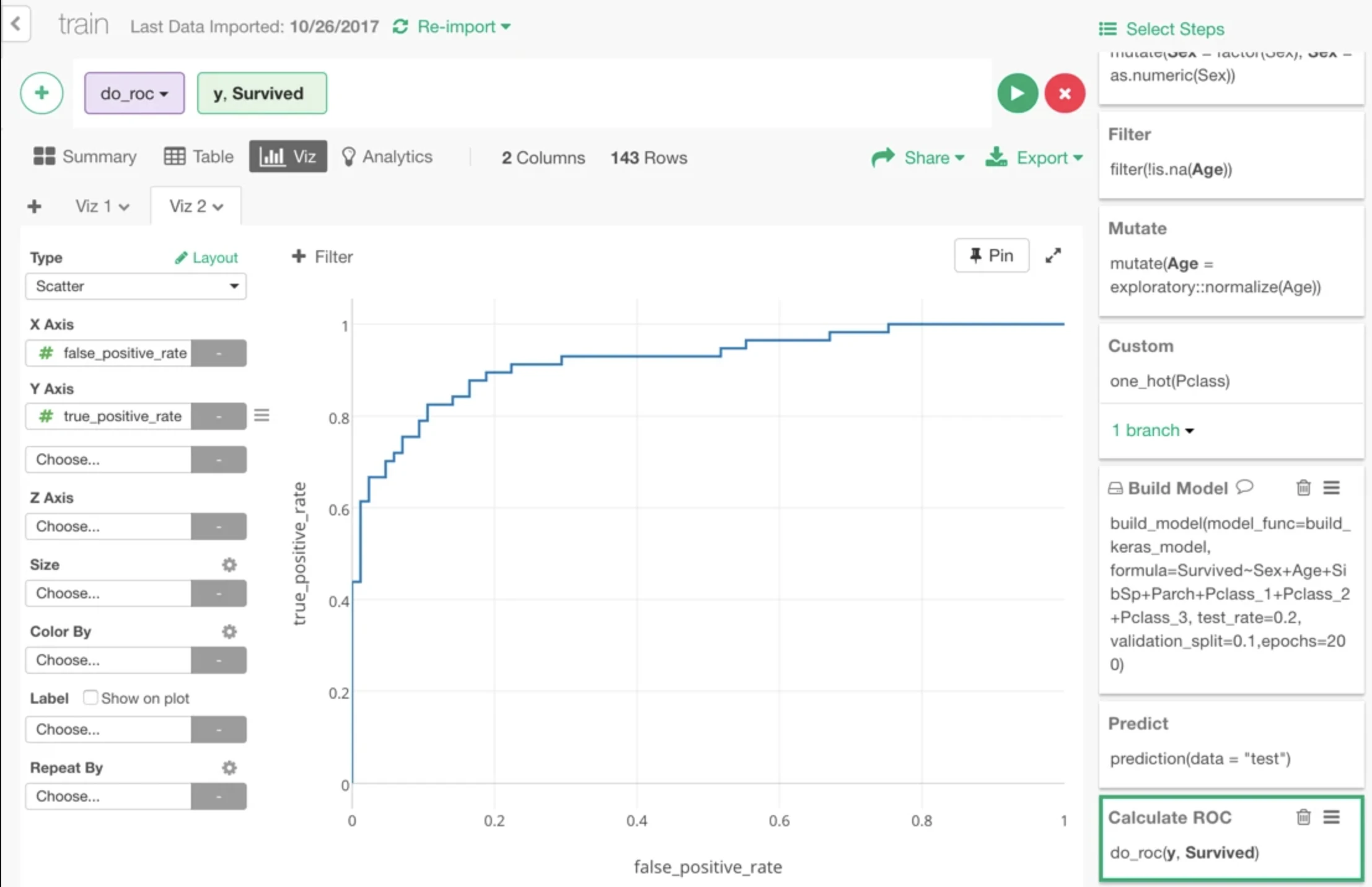
- Broad framework and API support: Compatible with Python, Java, R, and REST APIs, and integrates with popular ML frameworks such as Scikit-learn, TensorFlow, PyTorch, and XGBoost.
MLflow’s limitations
- Scaling complexity: Running MLflow at large scale requires significant infrastructure (databases, tracking servers).
- Limited orchestration: MLflow does not natively provide workflow orchestration; integration with tools like Airflow, Kubeflow, or Prefect is needed.
3. Large Language Model (LLM) ecosystems
Hugging Face Transformers
Hugging Face Transformers is an open-source library providing pre-trained models for inference and training. The library is primarily built around PyTorch, with support for large-scale model development, training utilities, and simplified deployment through pipelines and trainers.
JAX support is available through integrations with Keras, while earlier TensorFlow support has been removed in recent versions.
Hugging Face hosts models for different domains:
- Text
- Vision
- Audio
- Multimodal
Key features are:
- Pre-trained transformer models: Hugging Face offers millions of pre-trained models (trained on large datasets, so users can fine-tune or apply them directly without starting from scratch).
- Active community and documentation: Extensive tutorials, guides, and frequent contributions keep the library up to date with the latest advancements.
Hugging Face Transformers’ limitations
- High computational demands: Many models require powerful hardware (GPUs/TPUs) to run efficiently.
- Variable model quality: Community-contributed models may be outdated or inconsistently maintained.
GPT4All
GPT4All is essentially an ecosystem of open-source LLMs (supporting 1,000+ models, including LLaMA, Mistral, and DeepSeek R1).
It is a Local, private chatbot for multi-device workloads, works on both CPUs and GPUs, and can operate online or offline.
- Offline capability: Can run without an internet connection on laptops or mobile devices.
- Broad model support: Compatible with models such as DeepSeek R1, LLaMa, Mistral, and Nous-Hermes (covering many of the most widely used open-source LLMs).
- Privacy: Keeps all data local (responses are generated on the user’s machine), ensuring sensitive information stays secure.
GPT4All’s limitations
- Narrow scope: Primarily designed as a chatbot, with limited applications beyond conversational AI.
Open WebUI
Open WebUI is a self-hosted web interface for interacting with large language models, available locally or via OpenAI-compatible APIs.
- Multi-model support: Connects to local or cloud models (e.g., Ollama or OpenAI-compatible APIs) through a unified interface.
- Built-in RAG and document chat: Supports querying uploaded documents and knowledge bases using retrieval-augmented generation.
- Plugin and extensibility system: Developers can extend functionality with tools, pipelines, and plugins or add support for additional model providers.
- Flexible deployment options: Can be installed using Docker, Kubernetes, or other container tools.
Open WebUI’s limitations
- Security risks if misconfigured: Vulnerabilities or unsafe connections to external model servers could expose tokens or allow system compromise if not properly secured.
4. Conversational AI platforms
Rasa
Rasa is an open-source conversational AI platform designed for building chatbots and virtual assistants. It focuses on conversational AI and chatbot development. Rasa brings standard AI platform concepts like data management, monitoring, collaboration, and workflow integration into the conversational AI domain.
- Conversation review tools: Offers a dedicated inbox for reviewing real user dialogues, helping teams understand how people naturally interact with a chatbot deployed with Rasa
- Tagging and filtering: Supports classification of conversations by intent, action, slot values, and review status.
- Collaboration features: Enables teams to share workflows, assign reviews, and categorize conversations.
- Error detection: Allows flagging of problematic messages so they can be addressed later in the development cycle.
Rasa’s limitations
- Focused scope: Primarily designed for improving assistants through conversation review, not as a general NLP or data science platform.
- Manual effort required: While filtering and tagging help, most of the improvement process still depends on manual review of conversations.
Botpress
Botpress is an open-source conversational AI platform designed for building, deploying, and managing chatbots.
- Visual flow and control: Provides a drag-and-drop flow builder to design chatbot conversations while allowing advanced customization through code.
- Generative AI integration: GPT-native integration for knowledge base Q&A and free-form responses.
Botpress’s limitations
- Immaturity of plugin & integration ecosystem: The plugin and integration library are smaller than competitors like Dialogflow or Rasa (community plugins aren’t yet broadly supported).
- Limited enterprise features in free/open tiers: capabilities such as SSO, compliance tools, and high-availability setups are mainly available in the paid Enterprise tier.
- Generative AI dependency risks: Heavy reliance on GPT integrations. Using external LLM APIs or large models often incurs costs or latency.
 Add as preferred source
5. Agent platforms
Langchain Deep Agents
Deep Agents is an open-source agent framework from LangChain and provides a structured “agent harness” with built-in planning, tool usage, memory, and subagent coordination.
- Task planning and decomposition: Agents can automatically break down complex tasks into smaller steps using built-in planning tools (e.g., todo-style task tracking).
- Subagent delegation: The framework allows agents to spawn specialized subagents to handle subtasks.
- Context management with file systems: Agents can store and retrieve information through virtual or pluggable file systems.
- Persistent memory: The system can store knowledge across conversations or sessions, allowing agents to maintain long-term context.
- Developer tools and CLI: The Deep Agents SDK and command-line interface allow developers to build agents that run code, access files, make web requests, and integrate with external APIs.
Langchain Deep Agents’ limitations
- Best suited for complex tasks: The framework is designed for long-running or multi-step workflows, so it may be unnecessary overhead for simpler agent applications.
- Higher complexity: Features like subagents, file systems, and planning tools can increase system complexity and require careful configuration.
OpenAgents
OpenAgents provides the infrastructure for creating agent networks in which AI agents can discover one another, communicate, and collaborate on tasks.
- Agent networks: Enables multiple AI agents to connect and collaborate in structured networks to solve complex tasks.
- Protocols for agent communication: Includes built-in mechanisms for discovery, messaging, and collaboration between agents.
- Integration with LLM tools and frameworks: Works with common LLM providers and agent frameworks and supports protocols like MCP and A2A for agent interaction.
- Modular architecture: Uses an event-driven and modular system that allows developers to extend functionality and customize agent behavior.
OpenAgents’ limitations
- Still evolving: The documentation and APIs are under active development, meaning examples or interfaces may change.
- Complexity of multi-agent systems: Building and managing large agent networks can introduce coordination and infrastructure challenges.
Openclaw
OpenClaw acts as a gateway that connects chat platforms to AI models, enabling the assistant to perform tasks such as managing emails, scheduling events, and automating workflows.
- Multi-platform messaging integration: The assistant works through common chat apps (e.g., WhatsApp, Telegram, Discord, Slack), allowing users to interact with AI from platforms they use.
- Self-hosted architecture: Users run the OpenClaw gateway locally or on their own server, maintaining control over data and API keys rather than relying on a cloud-hosted service.
- Task automation: The AI can execute real actions such as sending emails, managing calendars, or handling digital workflows directly from chat commands.
- Multi-model support: OpenClaw can connect to different AI model providers (e.g., OpenAI, Anthropic, or others), allowing users to choose models based on their needs.
- Agent routing and session management: The platform supports multi-agent routing and separate sessions for different users or workspaces.
OpenClaw’s limitations
- Security risks from extensions: Third-party plugins may contain malicious code, potentially exposing sensitive data if not carefully reviewed.
- High system permissions: Because the assistant can access files, run scripts, or control applications, misconfiguration or malicious instructions could create security vulnerabilities.
What is open-source AI?
In real-world use, open-source AI refers to systems, models, or algorithms made publicly available for anyone to use, study, modify, and share. Typical applications include large language models, translation systems, chatbots, and other AI-driven tools.
However, there has historically been no widely agreed standard for what qualifies as open-source AI:
- Closed-source examples: OpenAI and Anthropic kept datasets, models, and algorithms secret.
- Gray-area models: Meta and Google released adaptable models, but critics argued they weren’t truly open source due to licensing limits and undisclosed datasets.
To address this, the Open Source Initiative (OSI), the organization known for setting open-source standards, released a formal definition for AI.1
According to OSI, an open-source AI system should:
- Be usable for any purpose without requiring permission.
- Allow inspection of its components so researchers can understand how it works.
- Be modifiable for any purpose, including altering outputs.
- Be shareable, with or without modifications, for any purpose.
In practice, however, many AI releases described as “open” are better characterized as open-weight models, meaning they publish model weights but do not disclose the full training data or development process required to meet OSI’s open-source criteria.
Cite this research
Pick the format that matches where you're publishing. Pasting the link version into your CMS preserves the backlink.
@misc{dilmegani2026,
  author = {Dilmegani, Cem},
  title  = {{Top 15 Open Source AI Platforms & Libraries}},
  year   = {2026},
  month  = jul,
  howpublished    = {\url{https://aimultiple.com/open-source-ai-platforms}},
  note   = {AIMultiple. Retrieved July 1, 2026}
}Results and timestamps of 15 data points. Download the summary data shown in this article's charts and tables as a ZIP file containing one CSV file.
Want the granular data behind it? Join Premium
Changelog
1 updatesAdded Open WebUI to the Large Language Model (LLM) ecosystems section.
Cem's work at AIMultiple has been cited by leading global publications including Business Insider, Forbes, Morning Brew, and Washington Post, global firms like Deloitte and HPE, NGOs like World Economic Forum, and supranational organizations like European Commission. [1], [2], [3], [4], [5]
Throughout his career, Cem served as a tech consultant, tech buyer and tech entrepreneur. He advised enterprises on their technology decisions at McKinsey & Company and Altman Solon for more than a decade. He also published a McKinsey report on digitalization.
He led technology strategy and procurement of a telco while reporting to the CEO. He has also led commercial growth of deep tech company Hypatos that reached a 7 digit annual recurring revenue and a 9 digit valuation from 0 within 2 years. Cem's work in Hypatos was covered by leading technology publications like TechCrunch and Business Insider.
Cem regularly speaks at international technology conferences. He graduated from Bogazici University as a computer engineer and holds an MBA from Columbia Business School.







Comments 1
Share Your Thoughts
Your email address will not be published. All fields are required. Comments are left in their original language.
Excelente conteúdo.