


Generative AI in Fashion: Top 13 Use Cases & Examples

89% of all companies across different sectors are switching to digital technologies, and the generative AI in the fashion industry is not an exception. McKinsey reports that fashion brands and companies invested approximately 2% of their income in emerging technologies. Moreover, they estimate the figure will rise to 3.5% by 2030.1
Blockchain technology, non-fungible tokens (NFTs), and AI are digital technologies implemented in the fashion industry. On the other hand, generative AI is relatively new; yet, it has started affecting many elements of the fashion industry.
Explore the use cases and real-world examples of how generative AI is used in the fashion industry.
Generative AI tools for image & design generation
Using generative algorithms, AI can create unique, interesting images that merge computer-generated styling with human creativity. The artwork created by generative AI in this way offers an entirely new approach to creating visual art. It can tap into generative elements and generate infinite variations of the same image.
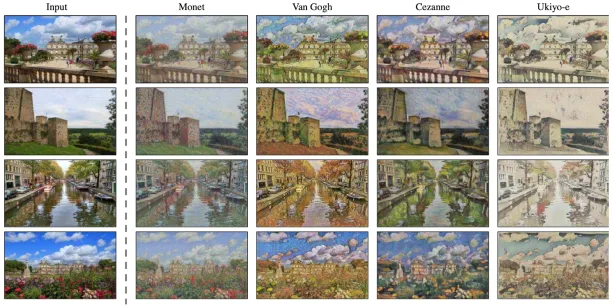
Figure 1: The cycleGAN algorithm can generate designs in the style of different artists and artistic genres, such as Monet, van Gogh, Cezanne, and Ukiyo-e.
Projects like FLUX AI utilize multi‑node ComfyUI setups to create polished, realistic outfit changes in seconds, matching industry standards.
Most AI-generated images are nearly indistinguishable from real ones. When participants in a study were unaware that generative AI technology had been used, they tended to perceive the images generated by GANs as more novel than the original images.
Another famous generative AI tool, DALL-E, can create a wide range of images, including:
- Photorealistic images
- Abstract patterns
- Stylized illustrations.
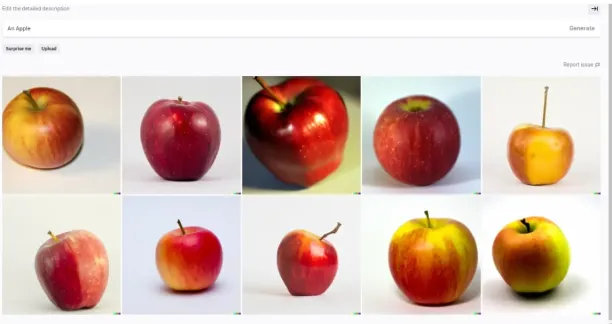
Figure 2: Entering “An Apple” will get a series of photorealistic apple images.
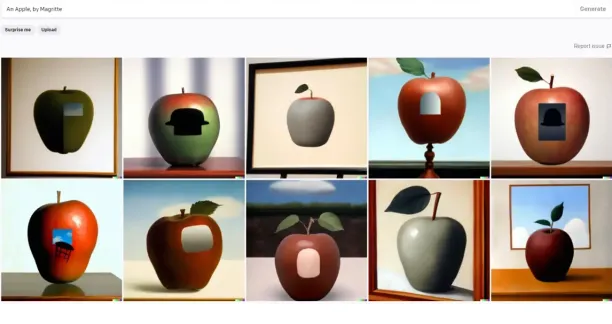
Figure 3: Adding the modifier “by Magritte” dramatically changes the entire character of the prompt.
Design and creative applications
1. Pattern and print generation
Fashion designers traditionally spend considerable time creating original patterns and prints. Generative AI now assists in this process by producing novel designs based on specified parameters or style references.
For example, Adidas has experimented with AI-generated shoe designs, using algorithms to create new colorways and patterns for existing silhouettes. The company’s FutureCraft initiative incorporates machine learning to generate design variations that might not occur through traditional human creativity alone.
Similarly, fashion tech company Stitch Fix uses generative models to create unique prints for its private label clothing. The system analyzes successful patterns from previous seasons and generates new variations that maintain aesthetic appeal while offering novelty.
The technology proves particularly useful for fast fashion retailers who need to produce high volumes of varied designs quickly. However, the output quality depends heavily on training data quality and often requires human refinement to achieve commercial viability.
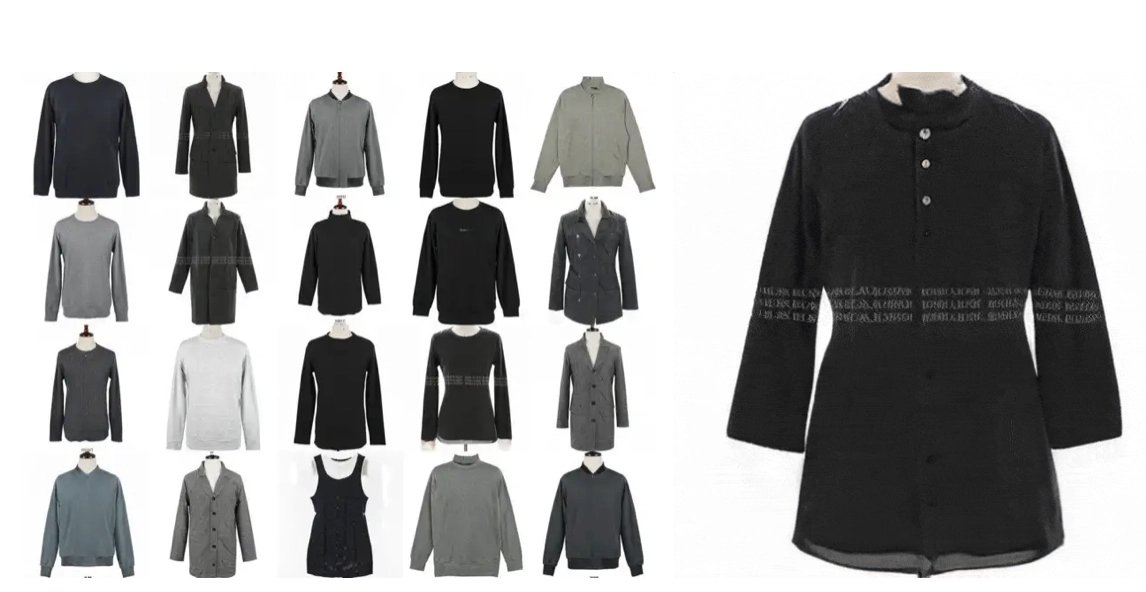
Figure 4: Products generated by ClothingGAN.
2. Textile design innovation
Generative AI extends beyond surface patterns to textile structure design. Researchers at MIT have developed systems that can generate new fabric weave patterns by learning from existing textile databases. These AI-generated structures can then be physically produced using automated weaving equipment.
For example, fashion brand Unmade leverages generative design for creating customizable knitwear patterns. Their system allows customers to modify base designs through an interface, with AI generating the technical specifications needed for production. This approach bridges mass customization with manufacturing efficiency.
The technology also assists in sustainable textile development. AI models can generate fabric compositions that optimize for specific properties like durability, breathability, or biodegradability while maintaining aesthetic requirements.
3. Color palette development
Color selection significantly impacts consumer appeal and brand identity. Generative AI helps fashion companies develop color palettes by analyzing trend data, seasonal patterns, and consumer preferences.
For example, Pantone, the color authority company, has explored AI tools for trend forecasting and palette generation. Their systems analyze social media imagery, runway shows, and cultural events to predict color trends and generate coordinated palettes for fashion brands.
Fashion forecasting agency WGSN uses generative models to create color combinations that align with predicted consumer preferences. The system considers factors like geographic location, demographic data, and seasonal variations to produce targeted color recommendations.
Khroma is a tool that allows a trained algorithm to create genuine and personalized color palettes.2Similarly, Colormind3enables preparing creative color palettes based on preferred samples from movies, photographs, artworks, etc.
Production and manufacturing applications
4. Size grading and pattern adaptation
Traditional size grading requires skilled pattern makers to adapt designs across different sizes manually. Generative AI automates much of this process by learning how garments should fit different body types and generating appropriate pattern adjustments.
For example, Hong Kong-based fashion technology company Tukatech has developed AI systems that can automatically grade patterns from a base size to full size ranges. The technology reduces grading time from hours to minutes while maintaining fit quality across sizes.
Fashion brand Reformation uses AI-assisted grading to ensure consistent fit across their size range. The system analyzes fit feedback from customers and adjusts grading rules to improve satisfaction with garment sizing.
5. Quality control and defect detection
Manufacturing quality control traditionally relies on human inspection, which can be inconsistent and time-consuming. Computer vision models trained on garment defects can identify issues like stitching problems, fabric flaws, or construction errors automatically.
For example, Chinese manufacturer TAL Apparel has implemented AI quality inspection systems across their facilities. The technology identifies defects in real-time during production, reducing waste and improving overall product quality. The system reportedly catches defects that human inspectors might miss while processing garments faster than manual inspection.
Similar systems are being adopted by manufacturers worldwide, with varying success rates depending on garment complexity and defect types. Simple defects like holes or stains are detected reliably, while subtle fitting issues remain challenging for current AI systems.
6. Production planning and demand forecasting
Accurate demand prediction helps fashion brands optimize inventory and reduce waste. Generative AI models can analyze historical sales data, trend indicators, and external factors to predict demand for specific products.
For example, Zara’s parent company, Inditex, uses AI models to forecast demand across its global retail network. The system considers factors like weather patterns, local events, and regional preferences to predict sales volumes for different products in different markets.
Fast fashion retailer H&M has implemented AI-driven demand forecasting to reduce inventory waste. Their system analyzes multiple data sources, including social media trends, search patterns, and historical sales, to predict which items will be popular in specific markets.
Consumer experience and personalization
7. AI shopping agents
AI shopping agents help users search, compare, and purchase products online based on their preferences and budget. These agents act as digital stylists and shopping assistants, recommending clothing, comparing prices across retailers, and optimizing product discovery. They can improve personalization and reduce the time consumers spend browsing multiple websites.
For example, Pia is a price comparison and shopping agent that aggregates listings from 40,000+ retail and resale sites, recommending cheaper alternatives and secondhand options for fashion items.
AI shopping agents also pose challenges for retailers. If consumers rely on AI agents instead of brand websites, companies may lose direct relationships with customers, while product visibility increasingly depends on whether AI systems recommend them.
In addition, these agents raise data privacy concerns and may concentrate demand on a limited number of brands or products if recommendation algorithms favor certain options.
8. Virtual try-on technology
Online fashion shopping faces the challenge of fit uncertainty. Generative AI creates virtual try-on experiences that show how garments would appear on individual customers using their photos or body measurements.
For example, Sephora’s Virtual Artist app uses generative models to show how makeup products would look on users’ faces. While primarily focused on cosmetics, the technology demonstrates the potential for similar applications in fashion accessories and clothing.
ASOS introduced a hybrid virtual try-on approach that combines real models wearing products with digital visualization technology, allowing shoppers to better understand how clothing fits and looks on different body types.
Instead of relying solely on digital avatars or static images, the hybrid method blends photography and virtual tools to provide a more realistic view of garments. By improving how customers visualize products before purchasing, ASOS aims to enhance the online shopping experience and reduce uncertainty when buying clothing online.
Startup companies like Zeekit (acquired by Walmart) have developed specialized virtual try-on technology for fashion e-commerce. Their system generates realistic images of customers wearing different garments, though adoption varies by product category and customer demographic.
9. Personalized product recommendations
Generative AI in fashion can create personalized product recommendations that go beyond traditional collaborative filtering. These systems generate suggestions based on individual style preferences, body type, lifestyle factors, and purchase history.
For example, Stitch Fix has built its business model around AI-powered personalization. Their algorithms analyze customer preferences, feedback, and styling outcomes to generate personalized clothing selections. The system continuously learns from customer responses to improve future recommendations.
Amazon’s fashion recommendations use generative models to suggest complete outfits rather than individual items. The system considers how different pieces work together and generates coordinated looks based on customer preferences and seasonal trends.
10. Style transfer and customization
Generative AI in fashion enables customers to modify existing designs or create new ones based on their preferences. Style transfer algorithms can apply the aesthetic of one garment to another, creating personalized variations.
For example, PUMA partnered with Manchester City to launch PUMA AI Creator, a generative AI platform that allows fans to design the club’s official football kits. Using text prompts, customization tools, and sliders, users can generate unique jersey designs even without prior design experience.4
Fashion brand Eon has developed a platform where customers can modify existing designs using AI tools. Users can adjust colors, patterns, and styling details, with the system generating production-ready specifications for customized garments.
Nike has experimented with AI-powered customization tools that allow customers to generate unique designs for shoes and apparel. The system combines customer inputs with design constraints to create feasible products that can be manufactured.
Marketing and brand applications
11. Content generation for social media
Fashion brands require constant content creation for social media marketing. Generative AI in fashion can create product photography, model imagery, and marketing copy to support digital marketing efforts.
For example, Levi’s has used AI-generated models in their marketing campaigns to show diversity in body types and ethnicities. The technology allows brands to create more inclusive imagery without the costs associated with traditional photo shoots.
Online retailer Boohoo has experimented with AI-generated product photography that shows clothing in different settings and on various model types. This approach reduces photography costs while providing more diverse imagery for their e-commerce platform.
12. Trend analysis and forecasting
Understanding fashion trends requires analyzing vast amounts of visual and textual data from multiple sources. Generative AI can process this information and generate trend reports and predictions.
For example, Fashion forecasting company Heuritech uses AI to analyze social media images and identify trending styles, colors, and silhouettes. Their system can predict which trends will become mainstream based on early adoption patterns observed online.
Trend forecasting agency Fashion Snoops uses generative models to create visual mood boards and trend presentations based on data analysis. The technology helps translate data insights into actionable design directions for fashion brands.
13. Dynamic pricing and inventory optimization
Generative AI in fashion models can simulate different pricing scenarios and predict their impact on sales and inventory levels. This capability helps fashion retailers optimize pricing strategies across different markets and seasons.
For example, Nordstrom uses AI models to optimize pricing across their inventory. The system considers factors like competitor pricing, inventory levels, seasonality, and customer demand to suggest optimal price points for different products.
Challenges of generative AI for the fashion industry
The biggest challenge for the creative sectors posed by generative AI can be the ambiguities around the copyright of AI-generated work. Using generative AI in the fashion industry can lead to some problems, such as:
Creative authenticity concerns
The fashion industry values originality and creative expression. Some designers and brands worry that AI-generated designs may lack the human creativity and cultural understanding that drives fashion innovation.
Several high-profile cases have emerged where AI-generated designs closely resembled existing works, raising questions about originality and intellectual property. Fashion brands must balance AI efficiency with maintaining creative integrity and brand identity.
Technical accuracy and quality control
Current generative AI in fashion systems often produces outputs that require human refinement. Fashion applications demand high accuracy in areas like fit, drape, and technical specifications, where errors can result in unwearable products.
Virtual try-on technologies still struggle with accurately representing how fabrics drape on different body types. The technology works better for structured garments than flowing fabrics, limiting its applicability across all fashion categories.
Consumer acceptance and trust
Consumer adoption of AI-driven fashion features varies significantly. While some customers appreciate personalized recommendations and virtual try-on capabilities, others prefer traditional shopping experiences.
Data privacy concerns also affect consumers willingness to share personal information needed for AI personalization. Fashion brands must balance personalization capabilities with customer privacy expectations.
Integration with existing workflows
Fashion companies often operate with established design and production processes. Integrating generative AI in fashion requires significant changes to workflows and may face resistance from employees accustomed to traditional methods.
Training staff to use AI tools effectively requires investment in education and change management. Companies report varying success rates depending on how well they manage this transition process.
For more on the challenges of generative AI, you can check our articles on the copyright and ethical concerns around generative AI.
 Add as preferred source
FAQs
Generative AI in fashion helps designers create unique fashion pieces by analyzing trends, generating patterns, and suggesting new styles based on customer preferences.
Yes, generative AI enhances online shopping by offering virtual try-ons, AI-driven size recommendations, and personalized styling advice. It allows customers to visualize how outfits will look on their body using augmented reality (AR) and helps brands reduce return rates.
Further reading
If you are interested in generative AI applications, read below:
- AI Text Generation: Use Cases & Case Studies
- Generative AI Applications / Use Cases
- Generative AI in Retail: Use Cases, Examples & Benefits
Cite this research
Pick the format that matches where you're publishing. Pasting the link version into your CMS preserves the backlink.
@misc{dilmegani2026,
  author = {Dilmegani, Cem},
  title  = {{Generative AI in Fashion: Top 13 Use Cases & Examples}},
  year   = {2026},
  month  = jul,
  howpublished    = {\url{https://aimultiple.com/generative-ai-fashion}},
  note   = {AIMultiple. Retrieved July 24, 2026}
}
Changelog
6 updatesReplaced the investment figure in the introduction.
Reference Links
Cem's work at AIMultiple has been cited by leading global publications including Business Insider, Forbes, Morning Brew, and Washington Post, global firms like Deloitte and HPE, NGOs like World Economic Forum, and supranational organizations like European Commission. [1], [2], [3], [4], [5]
Throughout his career, Cem served as a tech consultant, tech buyer and tech entrepreneur. He advised enterprises on their technology decisions at McKinsey & Company and Altman Solon for more than a decade. He also published a McKinsey report on digitalization.
He led technology strategy and procurement of a telco while reporting to the CEO. He has also led commercial growth of deep tech company Hypatos that reached a 7 digit annual recurring revenue and a 9 digit valuation from 0 within 2 years. Cem's work in Hypatos was covered by leading technology publications like TechCrunch and Business Insider.
Cem regularly speaks at international technology conferences. He graduated from Bogazici University as a computer engineer and holds an MBA from Columbia Business School.





Be the first to comment
Your email address will not be published. All fields are required. Comments are left in their original language.