


Las 20 mejores herramientas de IA para la cadena de suministro con ejemplos

Desde la previsión de la demanda y la optimización de inventarios hasta la entrega de última milla y las negociaciones con proveedores, la IA permite a las empresas de la cadena de suministro procesar datos complejos, responder a las interrupciones con mayor rapidez y tomar decisiones más informadas en redes globales.
Descubra las 20 mejores herramientas de IA para la cadena de suministro y aprenda cómo utilizan la IA para afrontar desafíos del mundo real y mejorar el rendimiento en áreas como la planificación, la automatización, la visibilidad y las operaciones logísticas.
Las 20 mejores herramientas de IA para la cadena de suministro comparadas
Nombre de la empresa | N.º de empleados | Suscripción | Casos de uso |
|---|---|---|---|
Blue Yonder (Microsoft) | 3.000+ | SaaS | Plataforma de cadena de suministro con ML integrado para la previsión de la demanda, la optimización de inventarios y la gestión de almacenes |
Kinaxis | 2.500+ | Nube | Maestro IA para la planificación concurrente de la cadena de suministro y el modelado de escenarios |
Coupa (con Llamasoft) | 2.000+ | SaaS | Supply Chain Modeler con IA, automatización del aprovisionamiento y analítica de riesgos |
o9 Solutions | 1.800+ | Nube | Plataforma de IA Digital Brain para la planificación empresarial integrada, la previsión de la demanda y la optimización de inventarios |
Zycus | 1.500+ | Nube | Suite Source-to-Pay impulsada por IA, gestión de riesgos de proveedores y analítica de contratos |
E2open | 1.000+ | Suscripción basada en volumen | Plataforma conectada de cadena de suministro con IA en 5 suites, 400K+ socios |
Pando | 200+ | SaaS | Plataforma de automatización logística con IA, 8x de crecimiento de ingresos desde la Serie A |
Shipsy | 200+ | SaaS | Plataforma de visibilidad en tiempo real con analítica predictiva y optimización de rutas |
Vecna Robotics | 200+ | Suscripción de software | Robots móviles autónomos impulsados por IA y orquestación de flujos de trabajo para almacenes |
Verusen | 50+ | Enterprise | Optimización de inventario MRO con NLP para más de 20M de SKU y detección de duplicados |
Criterios de selección de proveedores: Incluimos empresas con 50 o más empleados para indicar una mayor presencia en el mercado. Los proveedores están ordenados según el número de empleados.
Nota: Muchas de estas empresas pertenecen a más de una categoría. Dado que las empresas de IA para la cadena de suministro a menudo se solapan en planificación, automatización y visibilidad, cada una se incluyó en su caso de uso principal, donde sus soluciones generan el mayor impacto.
Planificación y previsión
En la gestión de la cadena de suministro, las empresas globales suelen utilizar herramientas de planificación y previsión para alinear ventas, operaciones y finanzas. Son especialmente relevantes para optimizar las operaciones de la cadena de suministro en mercados volátiles y mejorar la resiliencia de la cadena de suministro.
Blue Yonder
Blue Yonder ofrece una plataforma de IA integrada que abarca la planificación de la cadena de suministro, la gestión de inventarios y el transporte. La plataforma combina datos de los socios comerciales para permitir la toma de decisiones en tiempo real y mejorar la visibilidad en toda la cadena de suministro.
Ejemplo real: DHL optimiza los procesos de transporte para lograr el éxito
DHL, una de las mayores empresas de logística del mundo, necesitaba mejorar su gestión de las operaciones de transporte y almacén. La empresa se enfrentaba a varios retos:
- Equilibrar los costes de transporte, los costes de almacén y los niveles de servicio en sus amplias redes logísticas.
- Ofrecer soluciones más rápidas y flexibles para los proyectos de los clientes.
- Identificar oportunidades de consolidación y evaluar escenarios de costes para mejorar la eficiencia.
- Apoyar la gestión de la cadena de suministro con herramientas capaces de simular reglas de negocio, restricciones y demanda de los clientes.
Al aprovechar las soluciones de cadena de suministro de Blue Yonder, DHL adoptó herramientas avanzadas de modelado y diseño de redes para analizar los procesos de transporte. Estas herramientas permitieron a DHL:
- Comparar escenarios de costes y comprender su efecto en los niveles de servicio.
- Crear soluciones tácticas para la gestión de mercancías y las operaciones de almacén.
- Usar la analítica de datos para evaluar reglas de negocio, restricciones y requisitos de demanda.
- Mejorar la toma de decisiones al proporcionar visibilidad de los costes de transporte y almacén.
DHL informó de mejoras medibles en el rendimiento de la cadena de suministro:
- Ahorro directo del 7 % conseguido mediante un mejor uso de los vehículos y la consolidación de paradas.
- Ahorro del 15 % para un cliente minorista de EE. UU. mediante la optimización de los parámetros de entrega, flota y ubicación.
- Reducción de los costes de transporte en los sectores de fabricación, venta minorista y bienes de consumo.
- Mayor capacidad para modelar escenarios, identificar oportunidades de consolidación y tomar decisiones basadas en datos con información predictiva.1
Kinaxis
Los agentes de IA de Maestro de Kinaxis están diseñados para analizar datos y apoyar la ejecución. Evalúan las consecuencias de diferentes decisiones, destacan las alternativas disponibles y presentan los resultados previstos. Una vez confirmado un plan de acción, los agentes pueden ejecutar los pasos aprobados dentro de la misma plataforma.
Esto reduce los retrasos en los procesos de negocio, mejora la eficiencia operativa y permite a las organizaciones optimizar tanto las operaciones de almacén como la gestión del transporte sin cambiar entre múltiples sistemas.
Ejemplo real: una empresa de servicios farmacéuticos mejora la previsión de la demanda y la fiabilidad del suministro
Una destacada empresa de servicios farmacéuticos con operaciones en América, Europa y Asia-Pacífico se enfrentaba a problemas recurrentes para alinear la demanda de los clientes con las entregas de los proveedores. Su previsión interna se basaba en modelos estadísticos que no tenían en cuenta los cambios estacionales de la demanda ni los lanzamientos de productos. Esta visibilidad limitada provocaba roturas de stock en 25 centros y reducía el rendimiento general de la cadena de suministro.
La empresa identificó tres objetivos clave para mejorar la planificación de su cadena de suministro:
- Aumentar la precisión de las previsiones y la consistencia del suministro.
- Reducir los episodios de falta de existencias para mejorar la experiencia del paciente.
- Reforzar la colaboración con los proveedores compartiendo datos más fiables de la cadena de suministro.
A los tres meses de adoptar Maestro, el equipo de planificación pasó de un horizonte de previsión de una semana a un horizonte de planificación de 18 meses. El sistema incorporó lanzamientos de productos, cambios en la cobertura de seguros y señales de oferta y demanda en tiempo real. Los resultados clave incluyeron:
- Aumento del 47 % en la precisión de las previsiones.
- Reducción del 14 % del inventario disponible.
- Mejora del 34 % en la rotación de inventario.
- Reducción significativa de las cancelaciones de pedidos de pacientes gracias a la disponibilidad de productos.2
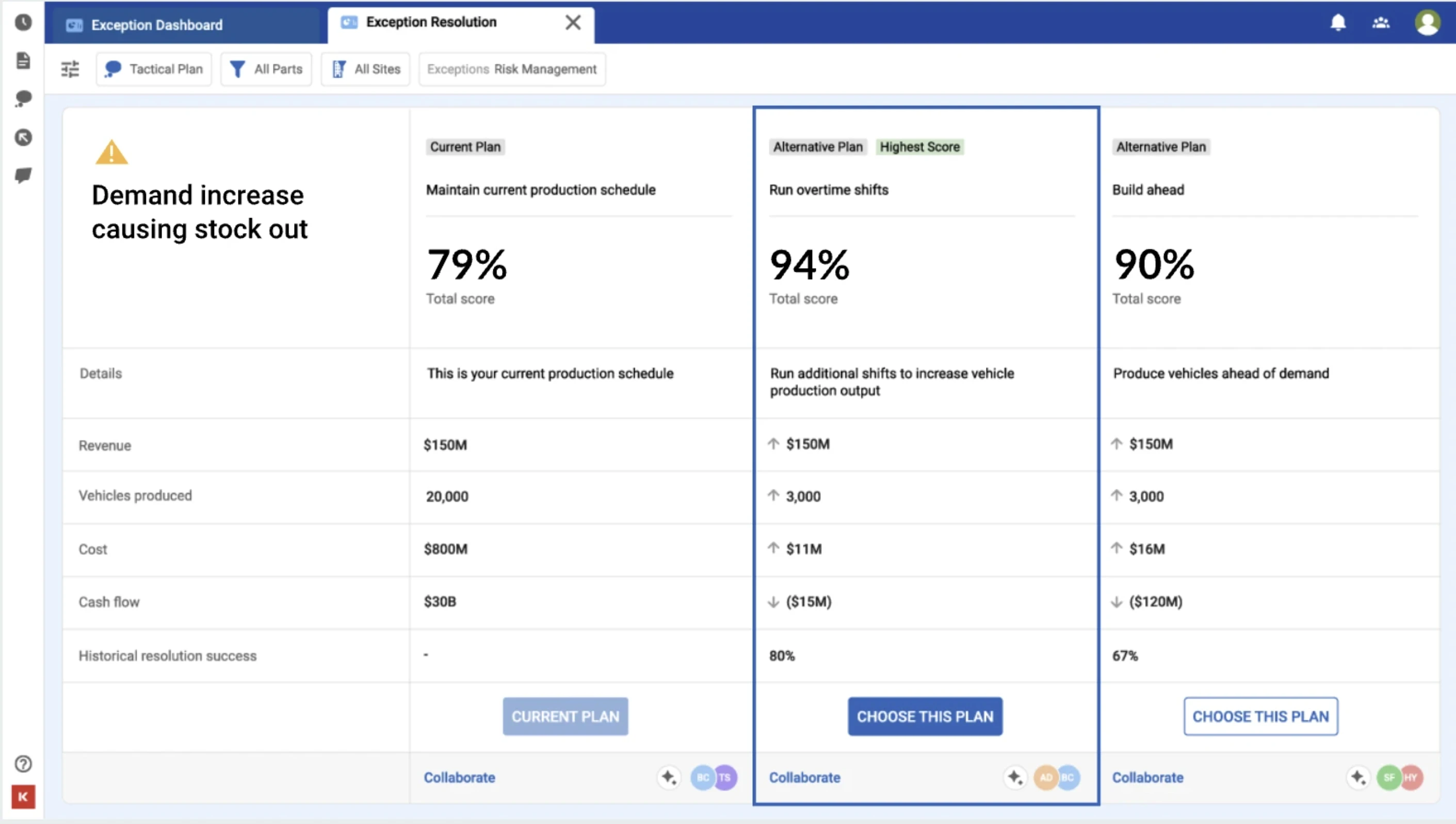
Figura 1: Panel de creación de escenarios de Maestro.3
o9 Solutions
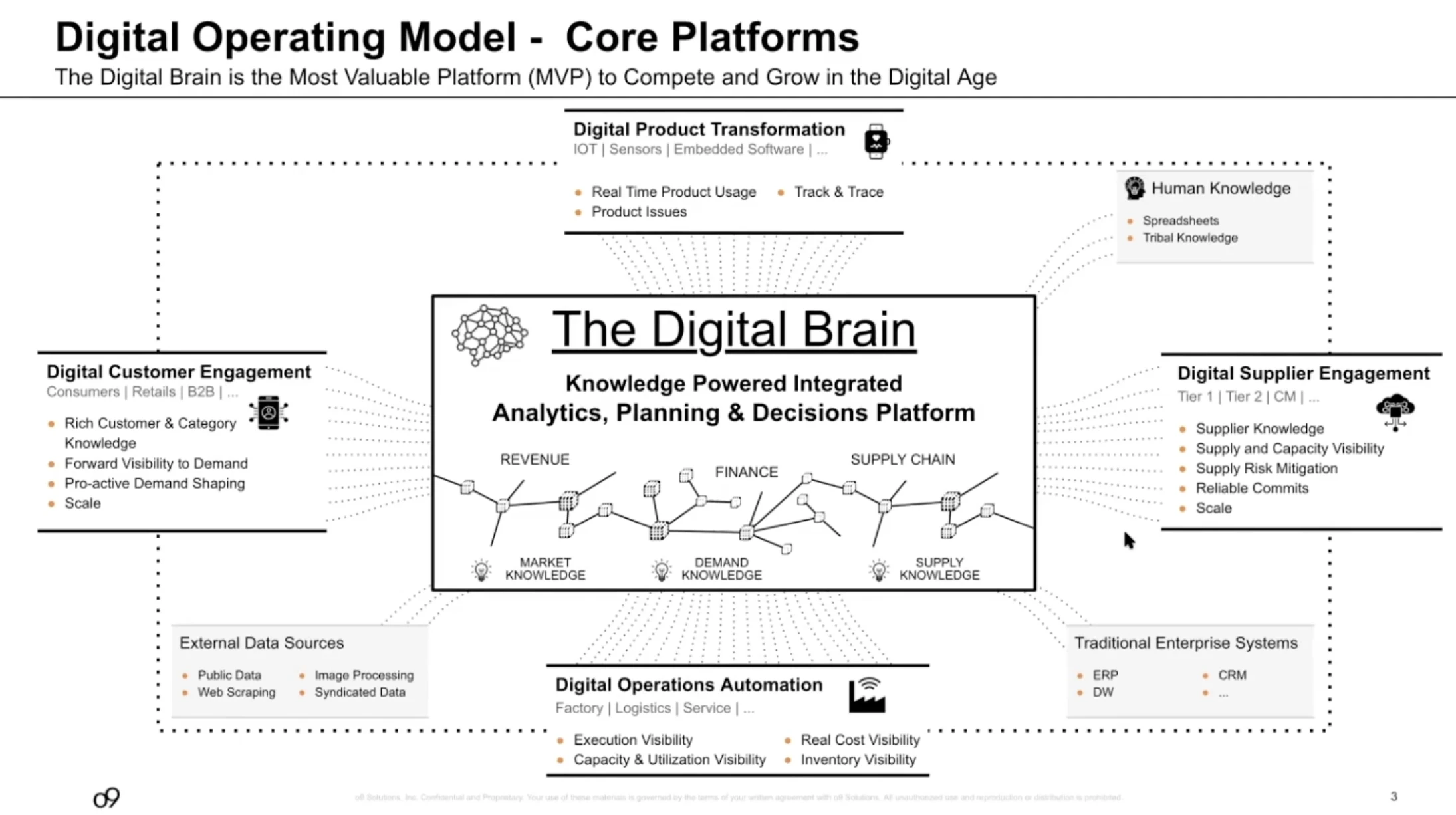
o9 aprovecha su Digital Brain para coordinar la planificación descendente y ascendente, centrándose en la planificación empresarial integrada, la previsión de la demanda y la optimización de inventarios en múltiples funciones de las operaciones de la cadena de suministro.
Ejemplo real: un fabricante de bienes de equipo mejora la previsión y la planificación con o9
Un fabricante líder del sector de carga y manipulación de mercancías necesitaba reforzar sus capacidades de planificación de la cadena de suministro. La empresa carecía de herramientas avanzadas de previsión y dependía de las carteras de pedidos como principal factor de decisión. Esto generaba lagunas de visibilidad, limitaba la colaboración entre las partes interesadas e impedía al equipo financiero vincular los planes de demanda con las previsiones de ingresos. Los largos plazos de entrega de un modelo de negocio de configuración bajo pedido también reducían la satisfacción del cliente.
La empresa adoptó el Digital Brain de o9, una plataforma basada en IA que admite la planificación de extremo a extremo. Las funcionalidades implementadas incluyeron:
- Planificación de la demanda, planificación del suministro, planificación de ventas y operaciones (S&OP), optimización de inventarios y programación de la producción.
- Integración con ERP (SAP HANA, Infor LN), CRM (Salesforce) y TMS (Oracle).
- Una torre de control que proporciona visibilidad en tiempo real de la demanda, el suministro y el inventario.
- La planificación basada en Excel se sustituyó por el sistema integrado de o9, creando un entorno colaborativo entre las partes interesadas y mejorando la precisión de los datos de la cadena de suministro.
Al aprovechar las capacidades de IA de o9 para la cadena de suministro, la empresa logró:
- Mayor precisión de las previsiones.
- Reducción de la escasez de componentes gracias a una mejor planificación de los materiales clave.
- Mejora de la eficiencia en los procesos de planificación y reducción del esfuerzo manual.
- Mayor capacidad para simular escenarios, lo que permite tomar decisiones basadas en datos para las operaciones globales.4
Figura 2: Gráfico que muestra los principios de funcionamiento del Digital Brain de o9.5
E2open
E2open ofrece un ecosistema de cadena de suministro conectado con IA en planificación, ejecución y comercio. Su plataforma abarca la previsión de la demanda, la planificación del suministro y la colaboración en redes globales de la cadena de suministro.
Ejemplo real: un fabricante de caramelos mejora la previsión con la detección de la demanda
Un fabricante mundial de caramelos, presente en más de 80 países y con más de 34.000 empleados, se enfrentaba a retos en su proceso de planificación de la demanda.
La empresa implementó E2open Demand Planning y E2open Demand Sensing como parte de su transformación de la planificación. Los aspectos clave incluyeron:
- Previsiones estadísticas semanales impulsadas por modelos de inteligencia artificial y aprendizaje automático.
- Integración de datos del punto de venta y de la cadena de suministro externa para crear previsiones diarias precisas.
- La automatización de las tareas de previsión libera a los planificadores para centrarse en trabajos más estratégicos.
- El despliegue comenzó en Norteamérica y se amplió a Asia-Pacífico y Europa, creando un enfoque unificado de la planificación de la cadena de suministro en todas las regiones.
Al aprovechar la IA en la cadena de suministro con E2open, el fabricante de caramelos logró mejoras medibles en las operaciones de la cadena de suministro:
- La precisión de las previsiones mejoró en más de un 23 %.
- La productividad de los planificadores aumentó al automatizarse las tareas repetitivas.
- El stock de seguridad y el rendimiento de reposición de inventario mejoraron.
- La estandarización de los procesos en los centros globales redujo la gestión de excepciones y facilitó la adopción de buenas prácticas.6
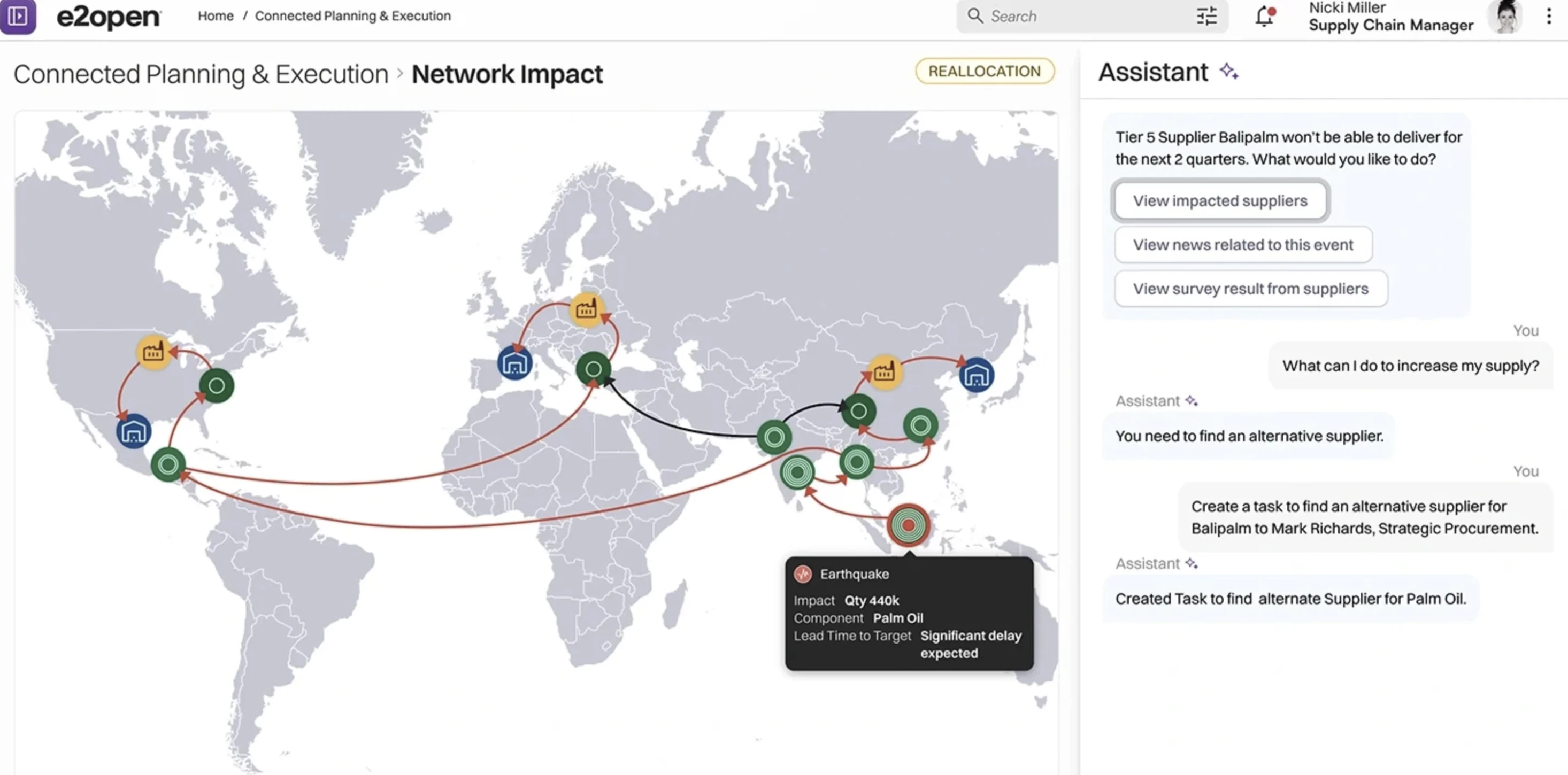
Figura 3: Asistente de cadena de suministro de E2open.7
LevaData
LevaData analiza los datos del mercado y las señales de riesgo de suministro para apoyar el aprovisionamiento estratégico y la planificación del suministro, lo que permite obtener información predictiva sobre los mercados de proveedores y las tendencias de precios.
Ejemplo real: un fabricante global mejora el aprovisionamiento con LevaData
Un fabricante global que dependía en gran medida de socios externos para adquirir piezas no estratégicas se enfrentaba a una creciente complejidad en sus operaciones de cadena de suministro. La limitada visibilidad de los costes dificultaba evaluar los precios de los proveedores, identificar referencias competitivas y mantener la rentabilidad en sus actividades de aprovisionamiento.
Mediante la implementación de las soluciones de cadena de suministro de LevaData, el fabricante logró:
- $14 millones en ahorros de costes en las operaciones de aprovisionamiento.
- Mejora de la competitividad de precios mediante una comparación precisa de costes.
- Mayores márgenes y rentabilidad al integrar la analítica en las prácticas de aprovisionamiento.8
Zycus
Zycus ofrece una suite source-to-pay impulsada por IA que combina analítica de proveedores, gestión de contratos y previsión de compras con capacidades de planificación de la cadena de suministro.
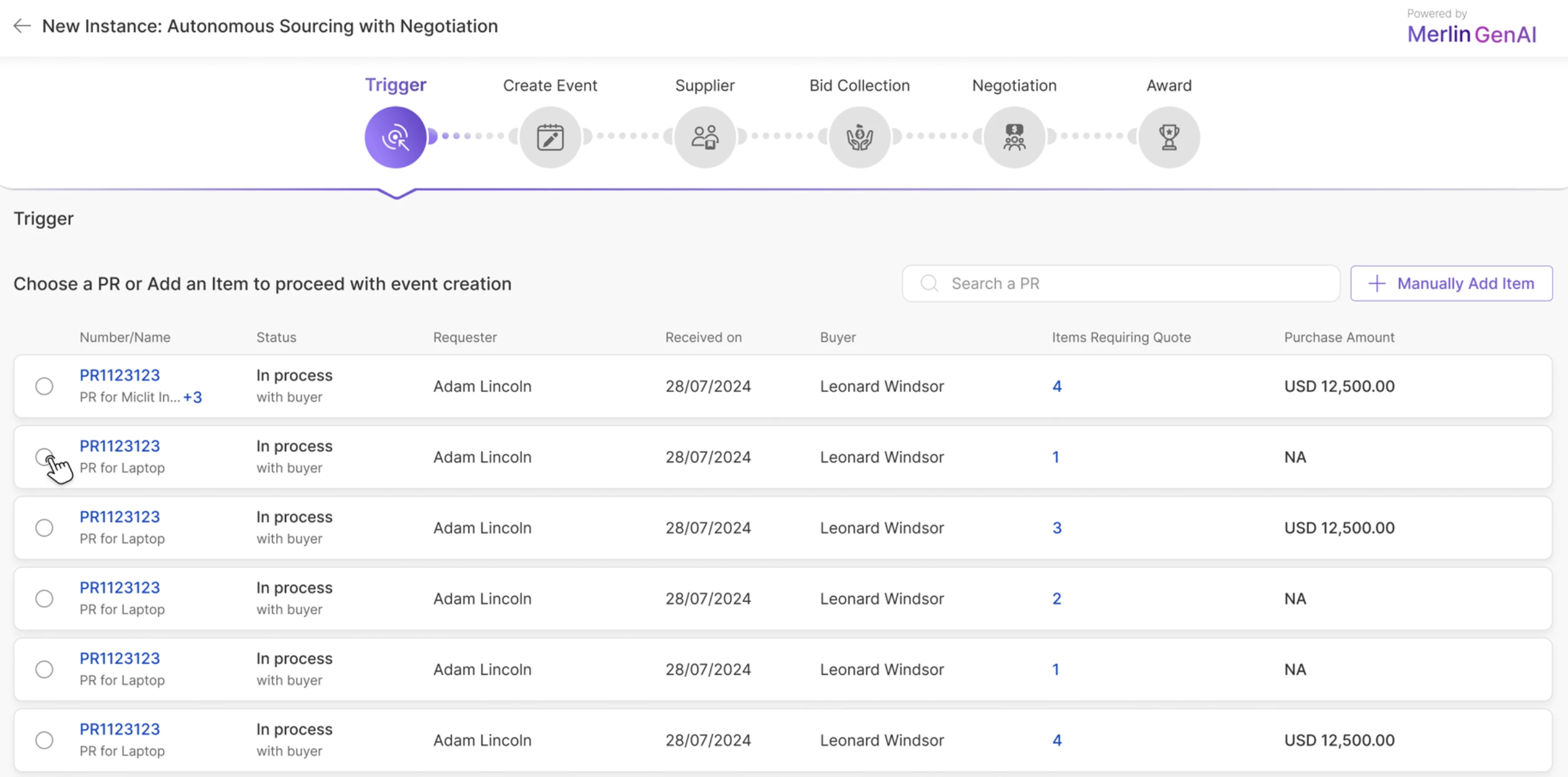
- Negociaciones autónomas: los agentes de IA gestionan las negociaciones tácticas, analizan las ofertas y seleccionan proveedores, garantizando precios competitivos y el cumplimiento normativo.
- Descubrimiento de proveedores y gestión de riesgos: la plataforma identifica proveedores adecuados, evalúa riesgos y automatiza los eventos de aprovisionamiento para mejorar la visibilidad de la cadena de suministro.
- Optimización de costes y comparación de referencias: proporciona datos en tiempo real e información basada en IA sobre precios y detecta oportunidades de ahorro.
- Gestión de solicitudes: simplifica las solicitudes de compra mediante interfaces conversacionales, aplicando el cumplimiento de políticas en tiempo real y mejorando la experiencia del usuario.
- Analítica de categorías y gastos: ofrece información sobre los patrones de gasto, el rendimiento de los contratos y la gestión de proveedores, lo que favorece un mejor rendimiento de la cadena de suministro.
Figura 4: Agente de IA generativa Merlin para negociaciones autónomas.
Inventario y aprovisionamiento
Las soluciones de IA para inventario y aprovisionamiento se centran en la gestión de inventarios, la optimización de inventarios y las decisiones de compra. Estos sistemas respaldan una gestión inteligente del inventario al equilibrar disponibilidad, coste y riesgo en las operaciones de la cadena de suministro.
Suelen utilizarlas los profesionales de la cadena de suministro responsables del aprovisionamiento, la reposición y la coordinación de proveedores. Cuando se aplican correctamente, ayudan a reducir los costes operativos y a mejorar la satisfacción del cliente.
Coupa
Coupa, mediante la adquisición de la tecnología LLamasoft, integra analítica de gastos, modelado de la cadena de suministro y planificación. Su plataforma vincula las decisiones de compra con el inventario, el transporte y el modelado de escenarios.
Ejemplo real: Onsemi mejora la planificación de ventas y operaciones con Coupa
Onsemi, proveedor global de componentes semiconductores energéticamente eficientes, opera más de 25 fábricas en todo el mundo. La limitada visibilidad de los datos en estos centros dificultaba la planificación de la capacidad de producción de sus cuatro unidades de negocio.
Los ingenieros dedicaban demasiado tiempo a crear modelos de cadena de suministro y el equipo de ventas carecía de orientación clara sobre qué pedidos aceptar, rechazar o subcontratar. Esta dependencia de la intervención manual ralentizaba la toma de decisiones y reducía el rendimiento general de la cadena de suministro.
Onsemi implementó Coupa Supply Chain Design & Planning, integrando los datos de restricciones a nivel de máquina y herramienta de todas las fábricas en una única plataforma. Los principales beneficios incluyeron:
- Toma de decisiones un 85 % más rápida gracias al acceso en tiempo real a los datos de fábrica.
- Mejora de la eficiencia del capital de un 10–15 % al reducir la participación innecesaria de los ingenieros de planta.
- Un enfoque coherente y estandarizado de la planificación de la cadena de suministro, que permite alinear la capacidad de producción en las fábricas globales.9
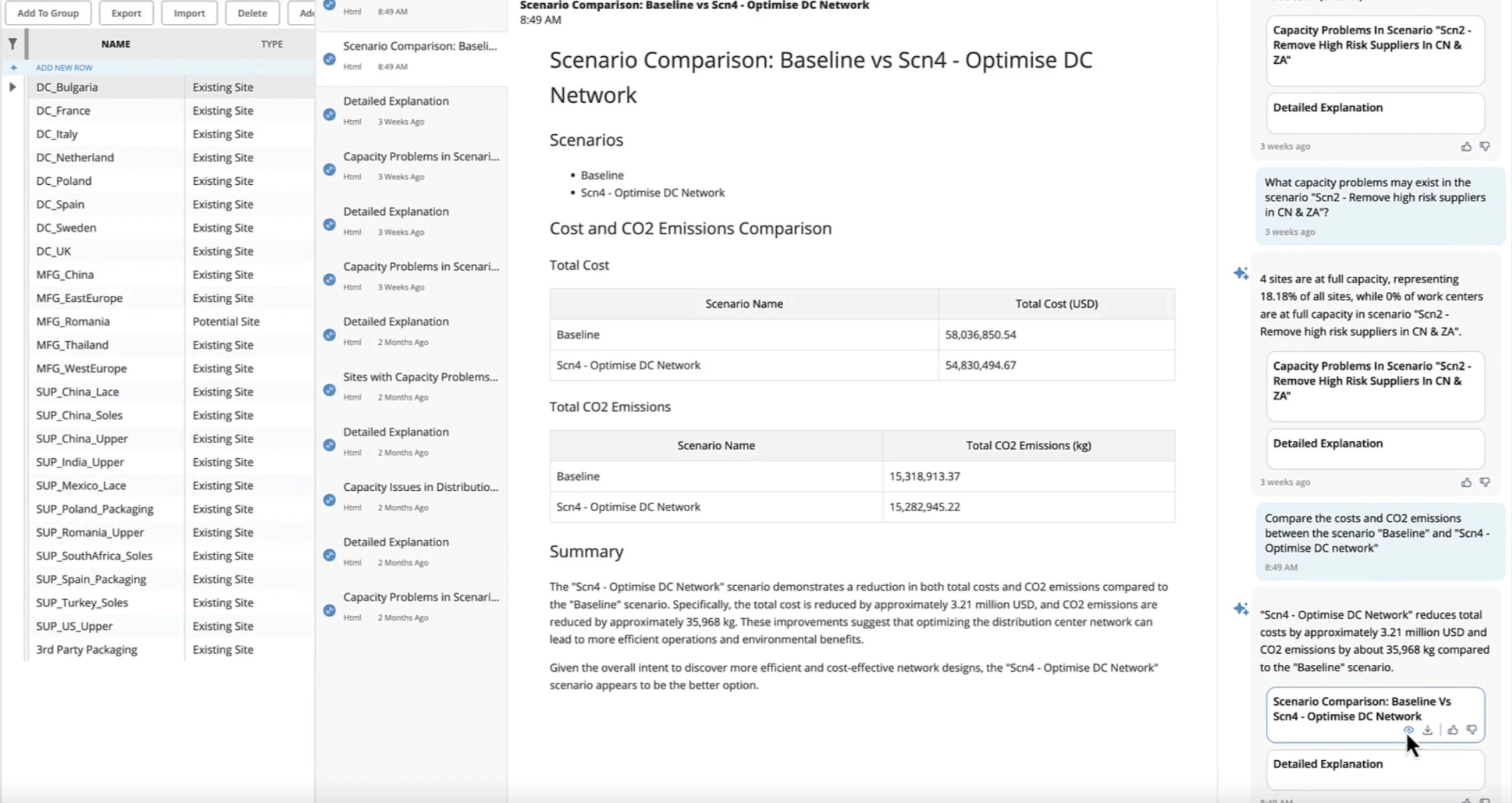
Figura 5: Panel de comparación de escenarios impulsado por Coupa IA.10
Verusen
Verusen se especializa en optimizar el inventario MRO (mantenimiento, reparación y revisión) mediante agentes de IA, NLP y detección de duplicados para reducir el exceso de stock y gestionar el inventario en grandes conjuntos de SKU.
Pactum IA
Pactum ofrece agentes de negociación autónoma que gestionan las condiciones de proveedores y compradores, mejorando los resultados de aprovisionamiento al negociar precios, SLA y contratos en nombre de los usuarios.
Ejemplo real: Veritiv mejora la eficiencia de los proveedores de larga cola con Pactum
Veritiv, distribuidor de embalajes, suministros para instalaciones y productos de impresión, gestiona entre 5.000 y 6.000 proveedores en Norteamérica. Antes de adoptar la IA agéntica de Pactum, la empresa tenía problemas con contratos obsoletos de proveedores de larga cola, visibilidad limitada de los datos de los proveedores y procesos de aprovisionamiento ineficientes. Con el 80 % del gasto concentrado en el 20 % de los proveedores, la larga cola estaba mal gestionada y era financieramente subóptima.
Pactum desplegó su plataforma de negociación autónoma para optimizar la base de proveedores de Veritiv:
- Mejora de la eficiencia de los contratos de proveedores de larga cola.
- Acceso a datos que faltaban en los registros maestros de Veritiv.
- Oportunidades para lograr ahorros en el coste de los bienes vendidos (COGS) y descubrir nuevas alianzas con proveedores.11
Visibilidad y ejecución
Las plataformas de visibilidad y ejecución se centran en la visibilidad en tiempo real de las cadenas de suministro y las redes logísticas. Estas herramientas se utilizan para la gestión del transporte, el seguimiento de envíos y la gestión de riesgos de la cadena de suministro.
Desempeñan un papel fundamental en la gestión de las interrupciones de la cadena de suministro y en el apoyo a cadenas de suministro resilientes, al proporcionar a los equipos logísticos datos en tiempo real sobre transportistas, proveedores logísticos y operadores logísticos.
Surgere
La plataforma Interius de Surgere ofrece visibilidad de la cadena de suministro y gestión de activos con el apoyo de la inteligencia artificial. Al integrarse con la arquitectura de Microsoft y Power BI, Interius permite a las organizaciones analizar los datos de la cadena de suministro y tomar decisiones basadas en información fiable.
- Asistente Sophia IA: una interfaz de lenguaje natural que permite a los usuarios consultar información de la cadena de suministro, interpretar resultados y recibir recomendaciones prácticas para mejorar las operaciones de la cadena de suministro.
- Alertas operativas: las notificaciones automáticas destacan excepciones como activos desatendidos o procesos logísticos irregulares, lo que ayuda a los equipos a responder con rapidez.
- Soluciones adaptables: Interius es configurable tanto para grandes empresas globales como para negocios más pequeños, ofreciendo soluciones de cadena de suministro que se ajustan a distintos niveles de complejidad.
Shipsy
Shipsy ofrece un panel de visibilidad que combina analítica predictiva y optimización de rutas, lo que permite a los cargadores supervisar los envíos en tiempo real y ajustar las rutas de forma dinámica.
Ejemplo real: Kout Food Group mejora las operaciones de entrega con Shipsy
Kout Food Group (KFG), proveedor de servicios de alimentación en Oriente Medio, gestiona más de 10 marcas de restaurantes de servicio rápido, 1.400+ repartidores y ejecuta más de 8.000 entregas por hora. Las herramientas limitadas para programar a los repartidores, la falta de visibilidad en tiempo real del rendimiento de las entregas y los retrasos en el procesamiento de pagos generaban ineficiencias y fallos de entrega frecuentes.
KFG desplegó la plataforma logística basada en IA de Shipsy para reforzar sus operaciones de cadena de suministro. Las principales mejoras en los procesos logísticos de KFG incluyen:
- Reducción del 20 % en el tiempo medio de entrega.
- Mejora del 37,5 % en la eficiencia de agrupación de pedidos.
- Aumento del 10 % en el cumplimiento de los SLA.12
DispatchTrack
DispatchTrack se centra en la IA para entregas de última milla, ofreciendo predicciones de ETA, enrutamiento de conductores y comunicaciones con los clientes para mejorar la fiabilidad y la transparencia de las entregas.
Ejemplo real: Spirit Logistics Network mejora la entrega de última milla con DispatchTrack
Spirit Logistics Network, con sede en Nueva Jersey, lleva más de 25 años ofreciendo soluciones logísticas externalizadas para la cadena de suministro, especializada en la entrega de electrodomésticos y mobiliario para el hogar en mercados nacionales, regionales y locales. Para mantener unos niveles de servicio elevados, la empresa necesitaba un sistema más adaptable que su software local heredado, que carecía de flexibilidad y de integración con las diversas pilas tecnológicas de los clientes.
Junto con DispatchTrack, Spirit migró a una plataforma basada en la nube que digitalizó y modernizó las operaciones de entrega de última milla:
- Mejora del rendimiento de puntualidad con ventanas de entrega precisas y configurables.
- Mayor satisfacción del cliente gracias a un servicio más fiable.
- Reducción de la necesidad de planificadores de rutas manuales, lo que reduce el esfuerzo operativo.
- Mayor eficiencia en la gestión y combinación de pedidos de múltiples clientes.13
Pando
La plataforma logística de IA de Pando gestiona el enrutamiento, la correspondencia de cargas y el seguimiento de la ejecución para respaldar la toma de decisiones en tiempo real en las operaciones de transporte.
Ejemplo real: un fabricante de envases reduce los costes de transporte con Pando
Un fabricante líder de cintas y películas de EE. UU., con más de 30 centros globales y más de $10 mil millones de ingresos, tenía problemas con una gestión de mercancías fragmentada. Las hojas de cálculo manuales, los sistemas dispersos y una dependencia excesiva de un sistema nacional de gestión del transporte generaban ineficiencias en el transporte internacional, el aprovisionamiento y los procesos financieros.
La empresa desplegó la plataforma logística basada en IA de Pando, integrando la contratación de transporte, la ejecución y el pago en un único sistema. Como resultado:
- Reducción del 4 % del gasto en transporte en las operaciones globales.
- Aumento del 80 % de la productividad del equipo al eliminar los procesos manuales.
- Visibilidad unificada del 100 % de los envíos, las tarifas y el rendimiento de los transportistas.14
Automatización y robótica
Las empresas de automatización y robótica se centran en la automatización de almacenes y la ejecución física dentro de las operaciones de almacén. Estas soluciones se utilizan cada vez más para mejorar la eficiencia operativa del sector logístico y apoyar operaciones sostenibles al reducir los residuos y los errores.
Son más relevantes para organizaciones con necesidades de gestión de almacenes a gran escala y volúmenes de transacciones elevados.
Kargo Technologies
Kargo utiliza visión artificial en las operaciones de muelle para verificar la mercancía, garantizar la integridad de los contenedores y detectar discrepancias, mejorando así la automatización y la validación visual.
- Escaneo en puertas de muelle: automatiza la captura de datos de las etiquetas de mercancía cuando las carretillas pasan por las puertas de muelle. Esto reduce el error humano, garantiza sistemas de gestión de inventario precisos y mejora el rendimiento al eliminar la necesidad de escaneo manual.
- Detección de daños: identifica y marca la mercancía dañada de inmediato en la puerta de muelle. Las alertas en tiempo real permiten a los supervisores tomar medidas correctivas con rapidez, minimizando las interrupciones y mejorando la satisfacción del cliente.
- Verificación de envíos: confirma la precisión de los envíos salientes y entrantes al contrastar los datos de la mercancía con los pedidos. El sistema evita envíos erróneos, detecta discrepancias antes de que salgan los camiones y garantiza el cumplimiento de los requisitos de los clientes y del sector.
- Verificación de cargas: valida la secuenciación de las cargas durante las operaciones de remolque. Al detectar pedidos incorrectos, cargas mixtas o requisitos especiales, Kargo garantiza que los envíos sean precisos y puntuales.
Vecna Robotics
Vecna despliega robots móviles autónomos y una capa de coordinación para automatizar tareas como el transporte de materiales y la orquestación de flujos de trabajo en los centros de preparación de pedidos.
Ejemplo real: los remolcadores ATG de Vecna Robotics en operaciones minoristas
Una cadena nacional de tiendas de descuento de artículos para el hogar desplegó los remolcadores ATG de Vecna Robotics para automatizar el movimiento de materiales en su centro de distribución. Operando en dos turnos, 23 horas al día, 7 días a la semana, el sistema mueve continuamente carros entre las zonas de carga y descarga para soportar operaciones de almacén de gran volumen.
Al adoptar Vecna Robotics, la empresa logró:
- Eficiencia de costes de $9 por hora y robot, lo que genera ahorros medibles.
- ROI positivo en menos de 8 meses.
- Funcionamiento continuo que respalda un proceso de cadena de suministro que requiere un rendimiento casi constante.15
 Añadir como fuente preferida
Analítica y apoyo a la toma de decisiones
Las herramientas de analítica y apoyo a la toma de decisiones se centran en convertir los datos de la cadena de suministro en información práctica. Estas plataformas se utilizan en los procesos de la cadena de suministro para respaldar la capacidad de toma de decisiones, la supervisión del rendimiento y la planificación a largo plazo de la cadena de suministro.
A menudo se presentan como herramientas esenciales para los profesionales de la cadena de suministro que buscan una ventaja competitiva mediante una mejor analítica de datos.
CognitOps
CognitOps ofrece analítica basada en ML para la optimización de almacenes y la planificación de la mano de obra, lo que permite a las instalaciones asignar eficazmente los recursos humanos y los flujos de trabajo, maximizando así el rendimiento.
Ejemplo real: la plataforma Align de CognitOps en el centro de distribución de Medline
Medline, fabricante y distribuidor privado de suministros sanitarios en EE. UU., se asoció con CognitOps para mejorar las operaciones de preparación de pedidos en su centro de distribución de Rialto, California. La instalación, de más de un millón de pies cuadrados y equipada con robótica avanzada, se enfrentaba a retos complejos para equilibrar la mano de obra, gestionar los flujos de trabajo y cumplir plazos de preparación ajustados.
La empresa colaboró con la plataforma CognitOps Align, que integra aprendizaje automático y herramientas basadas en simulación para mejorar las operaciones de almacén y respaldar la gestión de la cadena de suministro.
Para Medline, se espera que Align:
- Reduzca el tiempo de ciclo de los pedidos y el tiempo total de procesamiento.
- Mejore la velocidad de preparación de pedidos manteniendo altos niveles de servicio.
- Ofrezca previsiones de excepciones en tiempo real para minimizar las interrupciones.
- Refuerce el rendimiento general de la cadena de suministro para contribuir a una mejor atención al paciente.16
Raft
Raft automatiza los flujos de trabajo de los documentos de transporte de mercancías y aduanas mediante IA, lo que permite el procesamiento de documentos, el cumplimiento comercial y la optimización de aranceles en las rutas marítimas globales.
Ejemplo real: Navia Freight optimiza el procesamiento de facturas con Raft IA
Navia Freight, empresa de transporte y logística con sede en Melbourne, gestiona transporte marítimo, transporte aéreo, despacho de aduanas y operaciones de comercio electrónico. Sus procesos de cuentas a pagar eran muy manuales, lo que generaba ineficiencias a la hora de gestionar miles de facturas complejas cada mes. Los errores, los retrasos y las tareas repetitivas limitaban la capacidad del equipo para centrarse en iniciativas estratégicas.
Navia Freight desplegó la solución automatizada de finanzas logísticas de Raft IA, que incluyó:
- Procesamiento avanzado de documentos para extraer datos de las facturas automáticamente.
- Herramientas de validación de datos para contrastar la información y garantizar su precisión.
- Flujos de trabajo automatizados para optimizar las aprobaciones de facturas y reducir los plazos de respuesta.
Como resultado de esta colaboración:
- Tasa de automatización del 75 %, con un 35 % de facturas que no requieren intervención humana.
- Más de 3.000 minutos ahorrados al mes en procesamiento manual de documentos.
- Reducción significativa de errores y tiempos de procesamiento más rápidos.
- Mejora de la eficiencia operativa, liberando al personal para centrarse en actividades de mayor valor.17
7bridges
7bridges ofrece automatización logística basada en IA para orquestar las operaciones de la cadena de suministro, integrando planificación, ejecución y supervisión en un único flujo.
Ejemplo real: Philipp Plein mejora la experiencia del cliente y la eficiencia con 7bridges
La marca de moda de lujo Philipp Plein se asoció con 7bridges para modernizar las operaciones de su cadena de suministro y respaldar su crecimiento global. La empresa necesitaba mejorar la eficiencia a medida que ampliaba tanto los canales B2C como B2B, reducir costes y ofrecer una satisfacción superior al cliente. 7bridges desplegó su plataforma de gestión de la cadena de suministro basada en IA para:
- Automatizar las declaraciones de exportación de envíos internacionales de alto valor para reducir retrasos y costes.
- Pasar de las operaciones B2C a optimizar también la logística B2B.
- Apoyar los procesos de aprovisionamiento con simulación y analítica para mejorar las decisiones logísticas.
- Ofrecer visibilidad y control sobre el rendimiento del almacenamiento y las entregas.
Los resultados de la colaboración son:
- Más de 2 millones de euros en ahorros anuales, logrando un 17x ROI.
- Aproximadamente un 5 % de costes recuperados de facturas disputadas o erróneas.
- Experiencia del cliente mejorada gracias a entregas más rápidas y fiables.18
Pallet (CoPallet)
CoPallet, desarrollado por Pallet, es una plataforma basada en IA diseñada para gestionar tareas logísticas repetitivas y de gran volumen. Creada específicamente para las operaciones de la cadena de suministro, automatiza el procesamiento de documentos, la introducción de datos y la ejecución de flujos de trabajo en los sistemas de transporte y almacén, lo que ayuda a los equipos logísticos a reducir costes y mejorar la eficiencia.
Capacidades clave
- Automatización documental: lee documentos logísticos no estructurados, incluidos conocimientos de embarque (BOL), pruebas de entrega (POD), solicitudes de cotización (RFQ) y avisos de envío anticipados (ASN). Se adapta a formatos variados mediante inteligencia artificial y visión artificial.
- Ejecución de flujos de trabajo: opera directamente en los sistemas de gestión del transporte (TMS), sistemas de gestión de almacenes (WMS) y portales de terceros, automatizando tareas basadas en clics sin sustituir los procesos existentes.
- Aplicación de lógica de negocio: aplica reglas específicas de la empresa a excepciones como direcciones incorrectas o documentos faltantes, y deriva los casos no resueltos a trabajadores humanos.
- Integración de sistemas: se conecta con el correo electrónico, bases de datos, Microsoft Teams y otras aplicaciones empresariales, garantizando la compatibilidad en todo el sector logístico.
Augment (Augie)
Augment ofrece un compañero de equipo de IA para el ciclo order-to-cash, que automatiza la conciliación de facturas, la resolución de disputas y los cobros para reducir los retrasos en los flujos de trabajo financieros.
Ejemplo real: Armstrong Transport Group aumenta la productividad con Augie
Armstrong Transport Group, una agencia de transporte de mercancías, se enfrentaba a márgenes reducidos y a un creciente agotamiento de los empleados. Los operadores gestionaban entre 50 y 70 cargas al día, a la vez que atendían más de 400 correos electrónicos y navegaban por más de 20 portales, lo que dificultaba escalar sin aumentar la plantilla.
Armstrong desplegó a Augie, un compañero logístico basado en IA integrado en Slack, el correo electrónico y su sistema de gestión del transporte (TMS). Augie automatizó flujos de trabajo logísticos repetitivos, entre ellos:
- Leer y responder correos electrónicos.
- Crear y rastrear cargas en el TMS.
- Evaluar y negociar con los transportistas.
- Recopilar y validar las pruebas de entrega (POD).
- Mostrar excepciones y actualizaciones de envío en tiempo real.
Como resultado, Armstrong logró:
- Entre un 40–60 % menos de interacciones por carga, lo que reduce la carga de trabajo de los operadores casi a la mitad.
- Ciclos de facturación acelerados en 8 días, lo que reduce los retrasos en las facturas y mejora el flujo de caja.
- Duplicó el número de cargas que cada representante podía gestionar.
- Los operadores ganaron más tiempo para las iniciativas de satisfacción del cliente y las relaciones con los transportistas.19
Cómo elegir un proveedor de IA para la cadena de suministro
La elección entre empresas de IA para la cadena de suministro depende de la madurez organizativa, el alcance operativo y la preparación de los datos. Las iniciativas de IA en la cadena de suministro aportan el máximo valor cuando están alineadas con prioridades de negocio claras.
Tamaño y complejidad del negocio:
- Las startups de cadena de suministro y las empresas de mercado medio suelen beneficiarse de soluciones modulares de IA para la cadena de suministro.
- Las empresas globales pueden requerir una personalización más profunda y servicios gestionados.
Madurez de los datos:
- Unos datos limitados favorecen las herramientas de visibilidad y analítica.
- La planificación avanzada y la optimización de inventarios requieren datos históricos coherentes.
Presupuesto e implementación:
- Las herramientas de visibilidad y analítica suelen ofrecer resultados más rápidos.
- La automatización y la robótica implican costes iniciales más elevados.
Integración y adopción:
- Evaluar la compatibilidad con los sistemas de planificación de recursos empresariales, gestión del transporte y gestión de almacenes.
- Valorar el soporte del proveedor en servicios de consultoría, incorporación y gestión del cambio.
Cita esta investigación
Elige el formato que se ajuste al lugar donde vas a publicar. Pegar la versión con enlace en tu CMS conserva el enlace de retroceso.
@misc{ermut2026,
  author = {Ermut, Sıla},
  title  = {{Las 20 mejores herramientas de IA para la cadena de suministro con ejemplos}},
  year   = {2026},
  month  = may,
  howpublished    = {\url{https://aimultiple.com/supply-chain-ai-tools}},
  note   = {AIMultiple. Recuperado el 5 de mayo de 2026}
}Resultados y marcas de tiempo de 20 puntos de datos. Descargue los datos resumidos que se muestran en los gráficos y las tablas de este artículo como un archivo ZIP que contiene un archivo CSV.
¿Quieres los datos granulares que hay detrás? Únete a Premium
Enlaces de referencia
Anteriormente trabajó como reclutadora en empresas de gestión de proyectos y consultoría. Sıla tiene un máster en Psicología Social y una licenciatura en Relaciones Internacionales.

Sé el primero en comentar
Tu dirección de correo electrónico no será publicada. Todos los campos son obligatorios. Los comentarios se dejan en su idioma original.