


Top 6 Construtores de Aplicativos de IA: Lovable, Base44 & Glide

Testamos os 6 principais construtores de aplicativos de IA no-code/low-code usando 1 prompt em 15 dimensões, incluindo configuração, navegação, checkout, design e usabilidade.
Resultados do benchmark de construtores de aplicativos de IA
Leia a metodologia do benchmark e a avaliação para ver como testamos essas ferramentas.
No-code & low-code construtores de aplicativos
Comparação de recursos de construtores de aplicativos No-code & low-code
Lovable

Lovable é melhor descrito como um construtor de aplicativos low-code ou no-code com tecnologia de IA e saída code-first. Os usuários criam principalmente por meio de prompts de linguagem natural, feedback iterativo e edição no navegador, em vez de escrever código manualmente. No entanto, diferentemente das plataformas no-code tradicionais, o Lovable gera código React e TypeScript reais, oferece suporte à integração com o GitHub e dá aos usuários mais técnicos acesso ao código e à stack subjacentes.
O Lovable obteve 18/20, o resultado mais alto no benchmark. Ele gerou um aplicativo completo e funcional, com forte cobertura dos principais fluxos de compras, carrinho, checkout, administração, estoque e persistência. As principais lacunas do Lovable foram a falta de funcionalidade de pesquisa/filtro e um indicador de contagem de itens no carrinho. Também o consideramos a ferramenta mais rápida e fácil de usar, com o resultado visualmente mais polido. A capacidade de exportar código ou criar aplicativos de forma nativa contribuiu para sua força geral.
Base44

O Base44 é um construtor de aplicativos de IA tudo-em-um que transforma descrições em linguagem simples em aplicativos web e aplicativos de negócios funcionais. A Wix adquiriu o Base44 em 2025, dando ao produto acesso à infraestrutura, distribuição e experiência de sites da Wix.
O Base44 cuida da estrutura do aplicativo, design, banco de dados, inscrições, permissões de usuário, hospedagem, análises e integrações. Os usuários podem criar aplicativos completos sem experiência em programação, conectar APIs, usar processadores de pagamento e publicar aplicativos com domínio personalizado.
O Base44 obteve 16/20 e lidou bem com a maioria dos requisitos essenciais, incluindo navegação de produtos, indicadores de estoque, pesquisa/filtro, comportamento do carrinho, limites de estoque, liberação de reservas, preços no checkout, atualizações administrativas, alterações de inventário e persistência de sessão. Sua principal fraqueza foi a usabilidade: era fácil de usar, mas mais lento para responder do que as ferramentas mais fortes. Uma imagem de produto também não foi exibida no painel principal.
Softr

O Softr é uma plataforma no–code nativa de IA para aplicativos de negócios, portais de clientes, dashboards e ferramentas internas.
O Softr oferece blocos de arrastar e soltar, fluxos de trabalho, formulários, grupos de usuários, publicação responsiva e integrações com ferramentas como Airtable, Google Sheets, Notion, HubSpot, monday.com, bancos de dados SQL, BigQuery e APIs REST.
O IA Co-Builder do Softr cria o banco de dados, o aplicativo e a lógica de negócios a partir de um prompt, com segurança e permissões conectadas, o que o diferencia de ferramentas que geram UI ou código de frontend. Ele é adequado para equipes de produto e usuários de negócios que desejam aplicativos IA–built que se conectam a dados reais, atendem clientes e usuários e são lançados como software operacional, em vez de protótipos.
O Softr obteve 12/20. Sua funcionalidade de pesquisa/filtro, ações de adicionar/remover ao carrinho, expiração do carrinho, preços no checkout e fluxos de trabalho administrativos funcionaram bem. No entanto, ele perdeu vários requisitos comerciais importantes, incluindo indicadores de estoque, aplicação de limites de estoque, contagem de itens no carrinho e persistência de estado. O Softr também exigiu várias etapas de configuração antes dos testes, incluindo escolhas de design e layout, o que proporcionou maior controle sobre a apresentação, mas desacelerou o fluxo de avaliação.
Glide

O Glide é um construtor de aplicativos no–code que transforma planilhas e bancos de dados em aplicativos de negócios mobile-first. Ele é comumente usado para ferramentas internas, aplicativos de campo, diretórios, CRMs, rastreadores de inventário e fluxos de trabalho operacionais, e se conecta ao Google Sheets, Excel, Airtable, fontes SQL e Glide Tables
Os usuários podem criar aplicativos com um editor visual, modelos, formulários, funções, permissões, automações e recursos de IA que ajudam a resumir, classificar, extrair e agir sobre os dados.
O Glide obteve 11/20. Ele lidou com ações básicas do carrinho, mostrou a contagem do carrinho, liberou o estoque reservado, suportou preços no checkout e permitiu atualizações administrativas. Suas visualizações para dispositivos móveis e web pareciam visualmente fortes, e o agente foi responsivo e útil. No entanto, o fluxo de publicar/abrir não funcionou como esperado; a pesquisa/filtro falhou; os limites de estoque não foram aplicados; e as funções de teste pareceram menos diretas do que em outras ferramentas.
Bubble

O Bubble é um construtor de aplicativos full-stack no–code para desenvolvimento de aplicativos web e móveis. O Bubble inclui um editor de arrastar e soltar, banco de dados integrado, fluxos de trabalho, regras de privacidade, autenticação, integrações de API, recursos do marketplace e geração de aplicativos assistida por IA. Os usuários podem criar aplicativos personalizados, aplicativos de negócios, portais, dashboards e aplicativos móveis nativos para iOS e Android.
O Bubble obteve 10/20. Ele mostrou indicadores de estoque e refletiu os preços no checkout. No entanto, ele perdeu vários fluxos comerciais centrais: o carrinho não foi atualizado corretamente, os limites de estoque não foram aplicados, a contagem do carrinho estava ausente, a pesquisa/filtro falhou e as atualizações de pedidos e inventário do administrador não funcionaram como esperado. O editor do Bubble era detalhado, mas o aplicativo gerado precisava de mais refinamento e não parecia tão visualmente polido.
FlutterFlow

O FlutterFlow é um construtor de aplicativos low-code visual para aplicativos móveis nativos, web e desktop.
O FlutterFlow pode exportar código-fonte Flutter e Dart, permitindo que as equipes estendam o aplicativo além da plataforma quando a codificação for necessária. O FlutterFlow é uma boa opção para equipes que desejam a velocidade do no-code no início, mas ainda precisam de código gerado, exportação de código e controle do desenvolvedor posteriormente.
Ele também oferece suporte a agentes de IA para chat, geração de imagem, geração de vídeo, fala em texto e conversão de texto em fala dentro dos aplicativos.
Em nosso benchmark, excluímos o FlutterFlow da comparação final com pontuação. Ele ofereceu um editor de design altamente detalhado e pode atender a usuários focados em design, mas não gerou um aplicativo completo e pronto para testar a partir do prompt. Em vez disso, ele nos deu uma estrutura geral e deixou a maior parte do trabalho de implementação para nós. Como o benchmark avaliou os resultados dos aplicativos gerados, pontuar o FlutterFlow com os mesmos critérios não teria sido uma comparação justa.
Construtores de aplicativos de IA code-first
Comparação de recursos de construtores de aplicativos de IA code-first
Cursor da Anysphere
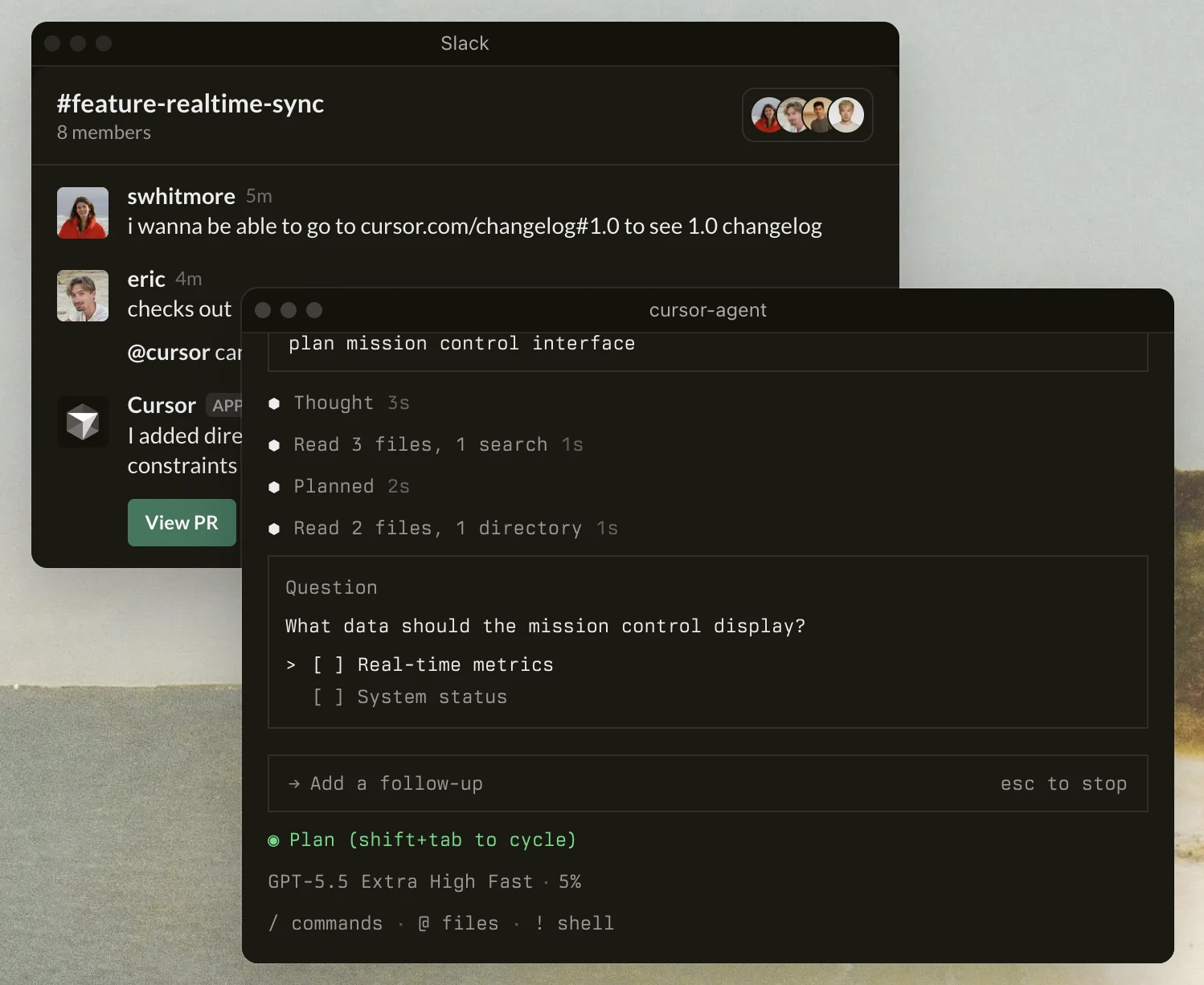
O Cursor é um editor de código nativo de IA, em vez de um construtor de aplicativos no–code clássico. Ele permite que equipes de produto e desenvolvedores criem aplicativos, adicionem novos recursos, corrijam erros e trabalhem em bases de código reais.
A diferenciação do Cursor está em seu ambiente de codificação agêntico e no modelo interno Composer, que foi criado para tarefas de engenharia de software mais longas, planejamento em várias etapas e geração de alterações de código em vários arquivos. Ele é agnóstico em relação ao modelo e fornece acesso a modelos da OpenAI, Anthropic, Gemini, xAI e Cursor, para que as equipes possam escolher modelos diferentes para diferentes tarefas de codificação.
O Cursor oferece suporte a autocompletar com IA, chat com a base de código, revisão de código e desenvolvimento com reconhecimento do terminal. Ele ajuda os usuários a criar aplicativos personalizados e com tecnologia de IA mais rapidamente, mas a experiência em programação ainda é útil porque os usuários trabalham diretamente com o código.
Replit
O Replit é uma plataforma de desenvolvimento de aplicativos baseada em navegador com um IDE em nuvem e agentes de IA. Ele pode ser usado por hobbistas, estudantes, fundadores e equipes empresariais para criar aplicativos e protótipos a partir de prompts em linguagem simples.
O Replit Agent 4 pode executar vários agentes em paralelo no mesmo projeto, usar uma tela de design visual e produzir vários tipos de artefatos, incluindo aplicativos web, aplicativos móveis nativos, apresentações de slides, aplicativos de dados e animações.
Ele também oferece suporte a processadores de pagamento como Stripe para aplicativos web e RevenueCat para aplicativos móveis, e inclui fluxos de trabalho para criar aplicativos iOS e Android e enviá-los para revisão na App Store.
Veja o vídeo abaixo para saber como o Editor Visual do Replit funciona:
v0 da Vercel
O v0 é o construtor de aplicativos web full-stack e UI generativa da Vercel. Ele transforma prompts em interfaces React, Next.js, Tailwind e Shadcn UI e se conecta intimamente com a plataforma de implantação da Vercel.
Os usuários podem importar repositórios do GitHub, trabalhar no código existente, criar commits, usar fluxos de trabalho de branch e pull request e conectar-se às configurações de projeto da Vercel. Ele também oferece suporte a aplicativos conectados a dados por meio de integrações de banco de dados do Snowflake e da AWS, tornando-o útil para ferramentas internas e aplicativos com dados reais.
Bolt da StackBlitz
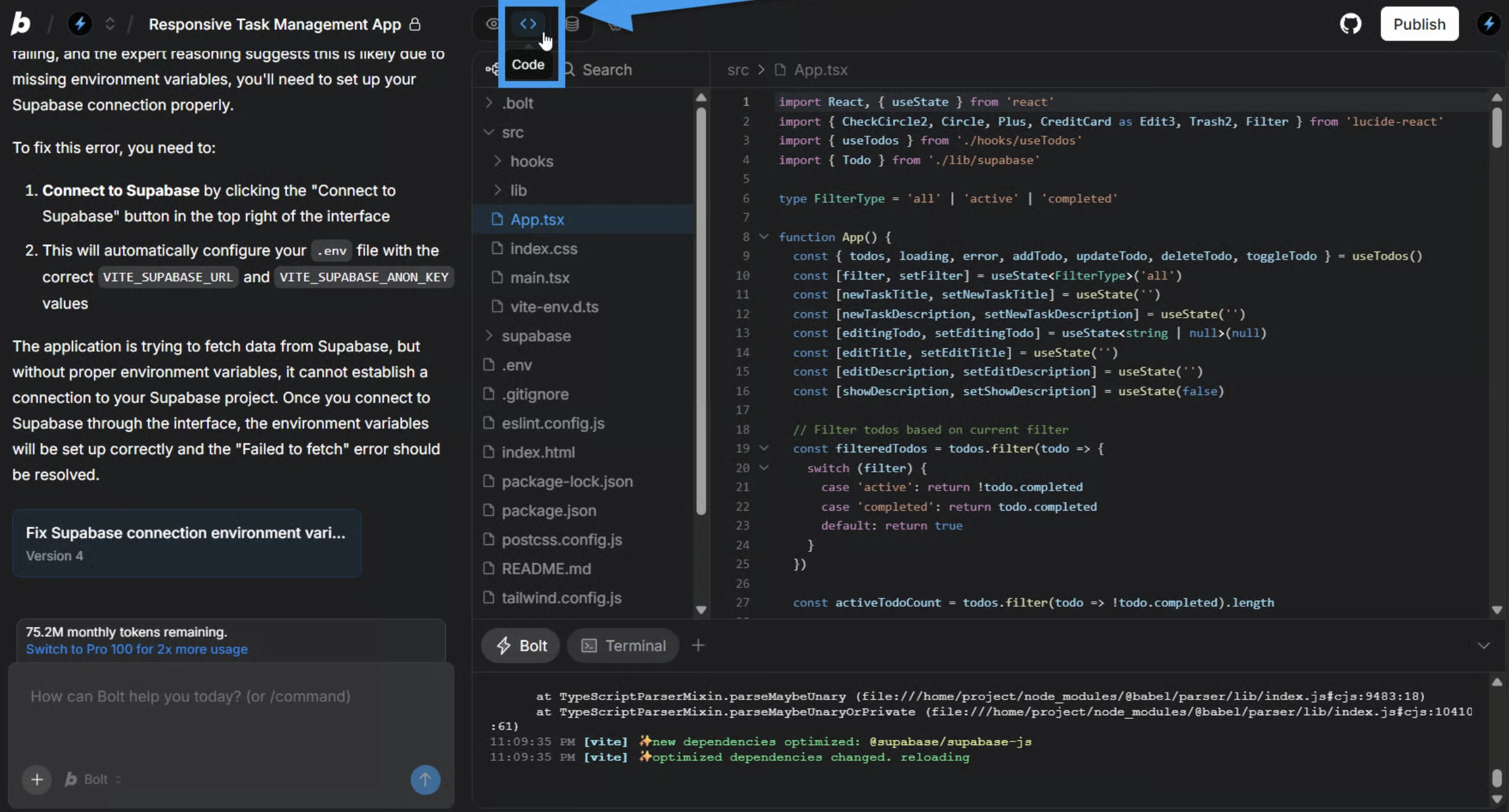
O Bolt é um construtor de aplicativos com tecnologia de IA baseado em navegador para desenvolvimento de aplicativos JavaScript full-stack.
Com seus StackBlitz WebContainers, que executam um ambiente Node.js no navegador, o Bolt acelera o processo de criação de aplicativos ao permitir que os usuários testem aplicativos reais sem instalar dependências localmente.
Nossas experiências com construtores de aplicativos de IA
Benchmark de screenshot-to-code
O screenshot-to-code é um fluxo de trabalho prático para avaliar construtores de aplicativos de IA, pois muitos usuários começam com um mockup, landing page ou ideia de aplicativo antes de passar para um aplicativo funcional. Em nosso benchmark de screenshot-to-code, testamos o Lovable, o v0 e o Bolt em cinco páginas de design usando o mesmo prompt: “Crie uma implementação pixel-perfeita deste design de IU.”
Medimos tanto a precisão quantitativa dos elementos quanto a fidelidade qualitativa da UI. A pontuação quantitativa concentrou-se em saber se caixas, botões, elementos de texto, imagens, ícones e campos de entrada foram implementados corretamente. A pontuação qualitativa concentrou-se em tipografia, estrutura de layout, elementos visuais, estilo básico e uso de cores.
Em nosso benchmark, o v0 e o Bolt lideraram a comparação. Isso sugere que as equipes que usam construtores de aplicativos de IA devem testar a qualidade do design para código separadamente de outros critérios, como qualidade do código gerado, integração com o GitHub, suporte a domínio personalizado, suporte a aplicativos móveis e a capacidade de criar aplicativos completos com dados reais. Veja a captura de tela para o código para mais detalhes sobre o benchmark e exemplos de saída.
Nota: Avaliamos o desempenho de screenshot-to-code, não capacidades mais amplas de desenvolvimento de aplicativos, como lógica de backend, bancos de dados integrados, integrações, chaves de API, exportação de código, aplicativos móveis nativos, processadores de pagamento ou publicação de aplicativos. No entanto, o benchmark é útil para comparar como o Lovable, o v0 e o Bolt lidam com tarefas de design para código.
Benchmark de editor de código de IA
O benchmark de editores de código de IA concentrou-se em uma pergunta diferente: um agente de codificação de IA pode criar e validar um aplicativo web funcional com entrada humana mínima? Testamos seis editores de código de IA em dez desafios reais de desenvolvimento web envolvendo backend, frontend, autenticação e gerenciamento de estado.
A avaliação combinou a correção do backend, o comportamento do frontend e o desempenho geral. A configuração usou execução one-shot, seguida de testes de fumaça de backend e frontend. Isso nos permitiu comparar se cada agente produziu um sistema executável, atendeu aos requisitos de backend, implementou o comportamento esperado do frontend e lidou com a tarefa de forma confiável.
O Cursor obteve a maior pontuação de backend e combinada. As descobertas qualitativas mostraram diferentes estilos de engenharia entre as ferramentas. O Cursor preferiu correções pequenas e de baixo risco. O Replit lidou com o fluxo de trabalho por meio de seu ambiente em nuvem. Veja a comparação completa em editor de código de IA.
Nota: Esses resultados devem ser tratados como um benchmark autônomo de codificação e orquestração. Não avaliamos edição no-code, qualidade de screenshot-to-code, bancos de dados integrados, publicação de aplicativos móveis, domínios personalizados ou fluxos de trabalho mais amplos de aplicativos de negócios. No entanto, o benchmark é útil para comparar como as ferramentas de codificação de IA lidam com sistemas executáveis, lógica de backend, comportamento de frontend e tarefas de desenvolvimento full-stack.
 Adicionar como fonte preferencial
Metodologia do benchmark de construtores de aplicativos de IA
Para avaliar os construtores de aplicativos de IA, criamos contas de teste gratuitas para Lovable, Base44, Bubble, Glide, FlutterFlow e Softr. Cada ferramenta recebeu o mesmo prompt para gerar um Sistema de Inventário e Pedidos para um caso de uso de comércio eletrônico com gerenciamento de estoque, fluxos de compras de clientes, controles administrativos, atualizações de status de pedidos e prevenção de excesso de vendas.
O aplicativo de destino incluía duas funções principais de usuário:
- Cliente: Navegar por produtos, visualizar o estoque disponível, gerenciar um carrinho, fazer checkout e visualizar o histórico de pedidos.
- Administrador: Gerenciar produtos e inventário, visualizar pedidos e atualizar o status dos pedidos.
O requisito central era que o aplicativo deveria evitar o excesso de vendas. Especificamente, se um produto tiver um item em estoque e dois usuários tentarem fazer checkout ao mesmo tempo, exatamente um checkout deverá ser bem-sucedido, enquanto o outro deverá receber um erro. O modelo de dados esperado incluía usuários, produtos, carrinhos, itens de carrinho, pedidos e itens de pedido, com suporte para reservas temporárias de estoque e expiração do carrinho.
Testamos os aplicativos gerados em seus ambientes de teste ou visualização. Nenhum dos aplicativos foi publicado publicamente. Quando possível, abrimos a visualização ao vivo ou uma URL de teste e avaliamos o aplicativo como um usuário final faria.
O FlutterFlow foi excluído da comparação final do benchmark. Diferentemente das outras ferramentas, o FlutterFlow não gerou um aplicativo funcional completo a partir do prompt. Seu editor de design era altamente detalhado, mas a saída fornecia uma estrutura geral, deixando a maior parte da implementação para o usuário. Como as outras ferramentas geraram automaticamente aplicativos mais completos, incluir o FlutterFlow na mesma estrutura de pontuação não teria sido uma comparação justa.
Avaliamos cada aplicativo usando os seguintes critérios:
- Configuração: Se o aplicativo abriu com sucesso, sem erros, e se os dados dos produtos, imagens e preços carregaram corretamente.
- Navegação: Se os clientes puderam navegar pelos produtos, ver os níveis de estoque, visualizar indicadores de estoque corretos e usar pesquisa ou filtros.
- Carrinho: Se os usuários puderam adicionar e remover itens, ver a contagem do carrinho ser atualizada, evitar adicionar mais do que o estoque disponível e liberar o estoque reservado após a expiração do carrinho.
- Checkout: Se o checkout refletiu os preços atuais e validou o estoque antes de concluir o pedido.
- Administrador: Se os administradores puderam atualizar o status dos pedidos e ajustar o inventário de produtos, com as alterações persistindo em todo o aplicativo.
- Persistência de dados: Se o conteúdo carrinho, pedidos e alterações de inventário permaneceram após a atualização ou novo login.
- Usabilidade: Se o processo geral foi rápido, fácil de entender e fácil de concluir.
- Design: Se o aplicativo tinha uma interface polida e coerente, com layout claro, tipografia legível, componentes consistentes e uma sensação de pronto para produção.
- Analisamos cada aplicativo como uma interface de usuário final, concentrando-nos na qualidade da experiência visível do usuário, em vez do código subjacente.
- Avaliamos se o layout criava uma hierarquia visual clara, com informações importantes e ações primárias fáceis de identificar.
- Avaliamos se componentes de UI, como botões, cartões, campos de entrada e elementos de navegação, usavam uma linguagem visual consistente em todo o aplicativo.
- Buscamos imagens de produtos bem tratadas, estados vazios, estados de erro, estados de carregamento e confirmações de ação.
- Consideramos a coesão geral do aplicativo, incluindo se ele parecia ter sido projetado intencionalmente, em vez de um modelo inicial não modificado.
A avaliação concentrou-se no comportamento observável do aplicativo e nos resultados voltados ao usuário, em vez da implementação interna. Cada ferramenta foi julgada pela forma completa e confiável com que transformou o mesmo prompt em um aplicativo funcional de gerenciamento de inventário e pedidos.
Cite este benchmark
Escolha o formato adequado ao local onde você vai publicar. Colar a versão com link no seu CMS preserva o backlink.
@misc{ermut2026,
  author = {Ermut, Sıla},
  title  = {{Top 6 Construtores de Aplicativos de IA: Lovable, Base44 & Glide}},
  year   = {2026},
  month  = jul,
  howpublished    = {\url{https://aimultiple.com/ai-app-builders}},
  note   = {AIMultiple. Acessado em 3 julho 2026}
}Resultados e carimbos de data/hora de 58 pontos de dados. Baixe os dados resumidos exibidos nos gráficos e tabelas deste artigo como um arquivo ZIP contendo 9 arquivos CSV.
Quer os dados granulares por trás disso? Assine o Premium
Registro de alterações
1 atualizaçõesAdicionadas pontuações de benchmark para seis criadores de apps de IA sem código: Lovable, Base44, Softr, Glide, Bubble, FlutterFlow.
Ela trabalhou anteriormente como recrutadora em empresas de gerenciamento de projetos e consultoria. Sıla possui mestrado em Psicologia Social e bacharelado em Relações Internacionais.
A seguir, leia
Os 6 principais raspadores da Apple App Store: Bright Data, SerpAPI & Zyte

Construtores de agentes de IA low-code/no-code: n8n, make, Zapier


20+ Construtores de agentes de IA: Microsoft, CrewAI, LangGraph e mais



Seja o primeiro a comentar
Seu endereço de e-mail não será publicado. Todos os campos são obrigatórios. Os comentários são deixados em seu idioma original.