


Confronta le migliori 10 piattaforme all-in-one di gestione IT

Le piattaforme all-in-one di gestione IT combinano monitoraggio degli endpoint, patching, accesso remoto, gestione degli asset e operazioni del service desk in un unico prodotto.
Abbiamo confrontato i prezzi e le funzionalità dei migliori 10 strumenti all-in-one di gestione IT.
I 10 migliori software all-in-one di gestione IT
Prodotto | Prezzo di partenza | Implementazione on-premise/self-hosted | Piano gratuito | Prodotto nativo di backup/BDR |
|---|---|---|---|---|
$1,50/endpoint/mese per 10.000 endpoint, $3,75/endpoint/mese per 50 o meno endpoint | ✕ | ✕ | ✓ | |
Atera | $129/tecnico/mese | ✕ | ✕ | ✕ |
ConnectWise RMM | Personalizzato | ✕ | ✕ | ✕ |
Datto RMM | Personalizzato | ✕ | ✕ | ✓ |
HaloPSA | $99/agente/mese per 6 agenti | ✓ | ✕ | ✕ |
Kaseya VSA | Personalizzato | ✓ | ✕ | ✓ |
ManageEngine Endpoint Central | $795/anno (50 endpoint) | ✓ | ✓ (25 endpoint) | ✓ |
N-able N-central | Personalizzato | ✓ | ✕ | ✓ |
Pulseway | Personalizzato | ✓ | ✕ | ✓ |
Syncro | $129/tecnico/mese | ✕ | ✕ | ✕ |
La tabella è ordinata alfabeticamente, tranne per i nostri abbonati in cima. Abbiamo valutato questi strumenti in base a tre criteri: flessibilità di implementazione, piano gratuito e disponibilità di backup nativo.
NinjaOne
NinjaOne integra RMM, MDM, backup, documentazione, gestione degli asset IT, ticketing e PSA in un'unica piattaforma basata sul cloud.
Gli agent standard per endpoint supportano Windows, macOS e Linux, mentre NinjaOne Relay estende la gestione a sistemi come Solaris e RHEL 6 con supporto modificato. Il backup dei dispositivi viene gestito dalla stessa console e supporta storage cloud, on-premise e ibrido. Il backup utilizza prezzi per dispositivo; i costi esatti richiedono tuttavia un preventivo personalizzato.
Atera
Atera combina RMM e PSA con prezzi per tecnico e endpoint illimitati per tecnico. Include inoltre ticketing, un portale di servizi e agente IA. Il supporto Linux ufficiale copre Debian 11+, Ubuntu 18+, CentOS Stream e Red Hat 8+.
L'accesso remoto a Linux tramite Splashtop è più restrittivo perché richiede un ambiente desktop X11 e non supporta Wayland, il che può complicare l'accesso remoto a sistemi senza una sessione grafica compatibile.
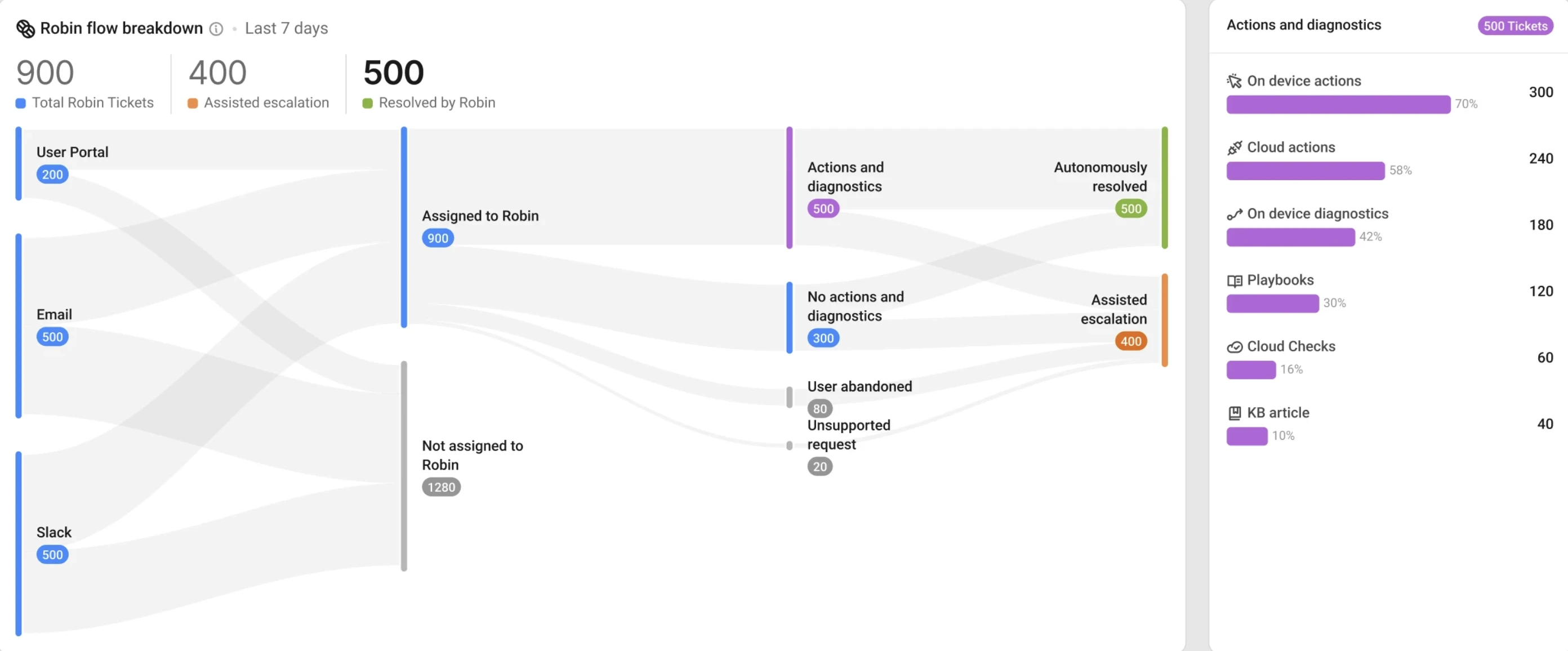
Figura 1: Dashboard di reportistica dell'agente IA Robin di Atera.1
ConnectWise RMM
ConnectWise RMM si integra con il più ampio ecosistema ConnectWise, includendo ConnectWise PSA e le sue offerte di servizi gestiti. Il pacchetto iniziale include ScreenConnect Remote Access, monitoraggio di Windows, macOS e Linux, generazione di script e monitor assistita dall'IA, patching di terze parti e il motore di flusso di lavoro RPA Starter.
ConnectWise offre inoltre NOC, Help Desk e servizi di tecnici dedicati per le organizzazioni che desiderano estendere la propria capacità di supporto interna.
Il monitoraggio della rete non fa parte del piano iniziale e inizia con Pro, mentre Premium è necessario per agent ScreenConnect Remote Access illimitati, ScreenConnect Remote Support e backup Microsoft 365 SaaS.
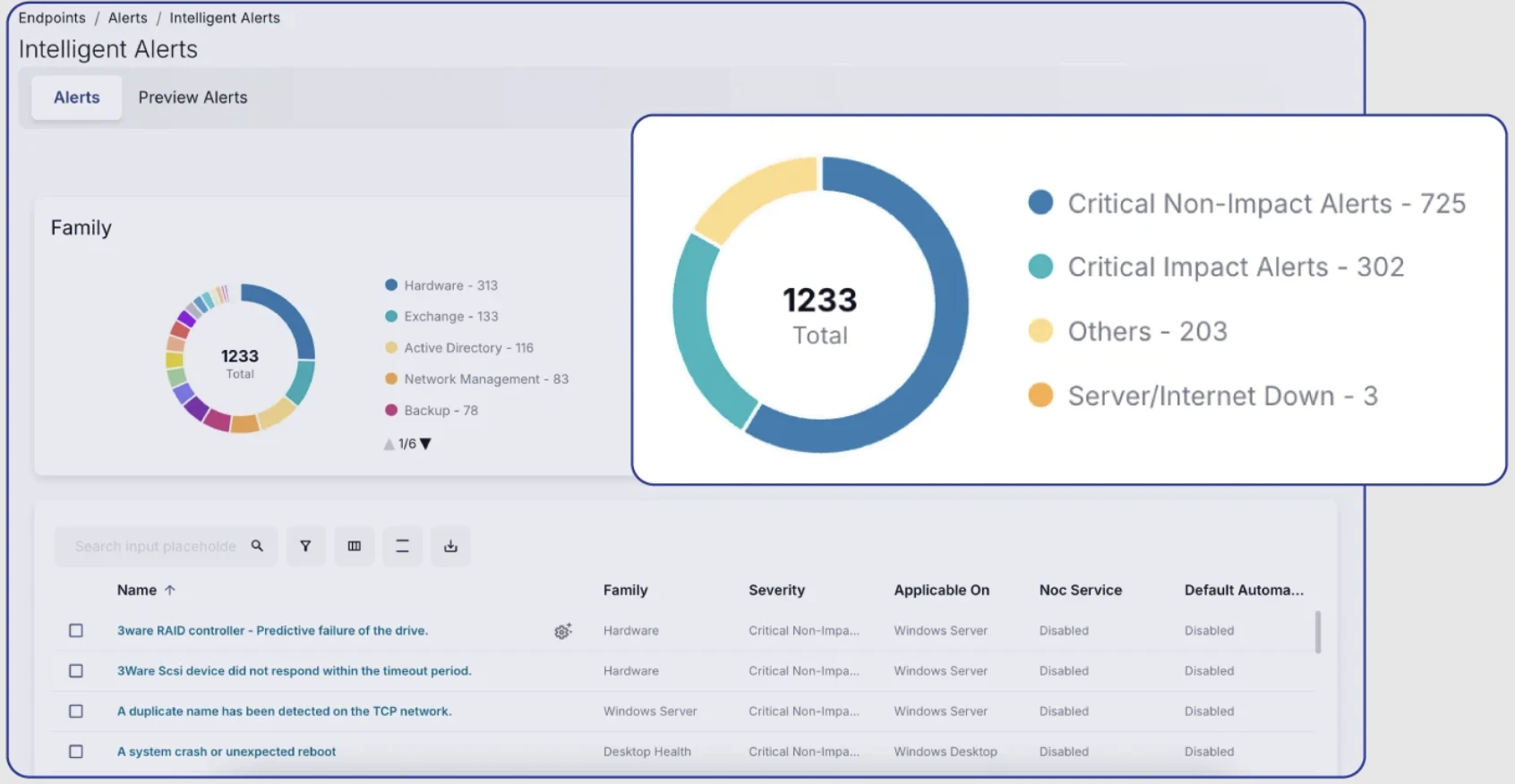
Figura 2: Esempio di avvisi predittivi di ConnectWise RMM.2
Datto RMM
Datto RMM si integra con i prodotti di backup e di continuità aziendale di Datto. Il servizio opera su sei piattaforme cloud in quattro regioni e la sua integrazione con Microsoft 365 porta la gestione di Microsoft 365 e Intune in Datto RMM. Può inoltre distribuire automaticamente l'agente RMM sui dispositivi Windows idonei registrati in Intune quando è configurato per l'auto-distribuzione.
Il supporto Linux include Fedora, Debian, CentOS Stream, Ubuntu LTS e RHEL, compresi i sistemi ARM64. Le restrizioni per gli endpoint includono le edizioni Windows Home e le edizioni Windows 10/11 IoT Embedded, e l'agente Datto RMM non può essere utilizzato in ambienti VDI non persistenti.
HaloPSA
HaloPSA è una piattaforma PSA e di gestione dei servizi incentrata su ticketing, CRM, fatturazione, gestione degli asset, gestione dei progetti, reporting e automazione dei flussi di lavoro piuttosto che su RMM nativa. Il monitoraggio e la gestione degli endpoint dipendono quindi dall'integrazione con un prodotto RMM; Halo supporta più di 250 integrazioni native, incluse diverse importanti piattaforme RMM.
HaloPSA può essere self-hosted o ospitata. I requisiti on-premise attuali supportano Windows Server 2016, 2019, 2022 e 2025, con un processore dual o quad-core minimo da 2 GHz e 8 GB di RAM.
Halo include funzionalità, moduli e integrazioni nell'ambito di un unico modello di licenza, ma un pacchetto di onboarding è richiesto separatamente e ha un prezzo in base all'ambito dell'implementazione.
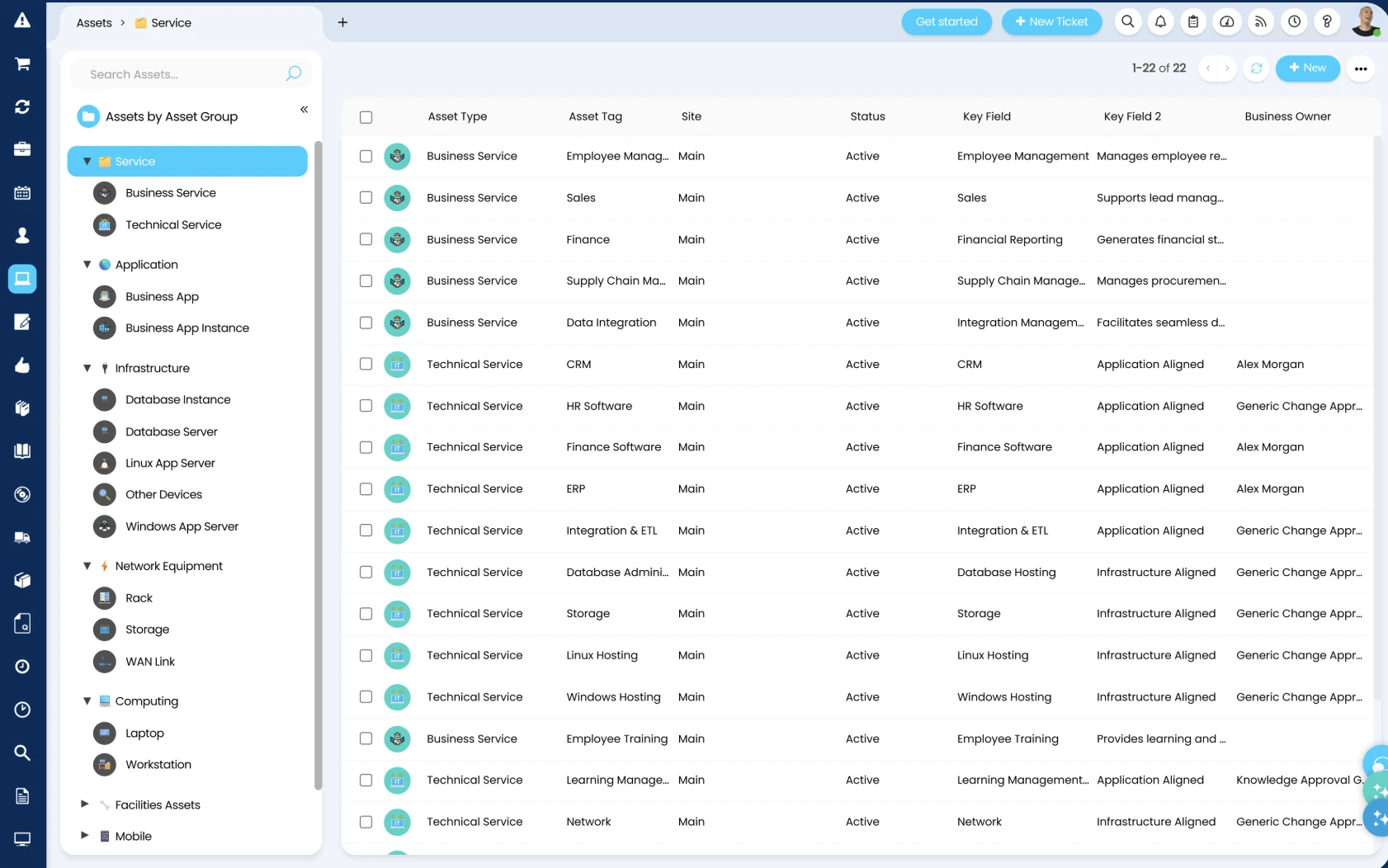
Figura 3: Esempio di gestione degli asset di HaloPSA.3
Kaseya VSA
Kaseya VSA 10 si inserisce perfettamente nel più ampio ecosistema Kaseya IT Complete ed è disponibile sia come implementazione SaaS sia come installazione on-premise.
La versione 10.25 ha esteso Remote Control on Demand a macOS, consentendo ai tecnici che utilizzano Mac di avviare sessioni remote temporanee con utenti Windows o macOS, inclusi i dispositivi non gestiti.
VSA 10 supporta inoltre gli endpoint Linux con funzioni come accesso al terminale, script e aggiornamenti del sistema operativo, sebbene il flusso di lavoro grafico standard di Remote Control sia documentato per Windows e macOS, non per Linux.
ManageEngine Endpoint Central
ManageEngine Endpoint Central combina amministrazione centralizzata degli endpoint, patching, inventario, gestione delle vulnerabilità, distribuzione del software e gestione dei dispositivi. Il prodotto standard Endpoint Central è destinato alla gestione degli endpoint all'interno di una singola organizzazione; gli MSP che gestiscono più clienti possono invece utilizzare il prodotto separato Endpoint Central MSP.
Le configurazioni server pubblicate coprono implementazioni fino a 35.000 computer, con ambienti più grandi gestiti tramite una configurazione personalizzata. Endpoint Central supporta inoltre piattaforme mobili e desktop tra cui Windows, macOS, Linux, iOS, Android e ChromeOS.
Endpoint Detection and Response, protezione da malware, protezione da ransomware e Private Access sono offerti come componenti aggiuntivi. La gestione di Linux è inoltre più limitata rispetto alla gestione di Windows in alcune aree, con patching e distribuzione del software che dipendono dalla distribuzione Linux supportata.
N-able N-central
N-able N-central è disponibile sia come servizio ospitato sia come implementazione on-premise. Il suo agente macOS supporta attualmente cinque versioni principali, da Monterey 12.x a Tahoe 26.x, mentre le installazioni Linux a 64 bit utilizzano il separato Independent Agent di N-central.
N-central include inoltre N-zo, il suo assistente IA, e un server MCP aperto che collega gli strumenti IA compatibili con MCP ai dati live di N-central e alle azioni supportate. N-able offre Cove Data Protection, EDR, Take Control, Mail Assure, DNS Filtering e Passportal come prodotti separati accanto a N-central.
Pulseway
Pulseway adotta un approccio mobile-first alla RMM. Le sue app iOS e Android consentono agli amministratori di monitorare gli endpoint, rispondere agli avvisi, controllare da remoto i dispositivi, distribuire patch, eseguire script, eseguire flussi di lavoro di automazione e gestire i ticket senza tornare a una console desktop. La piattaforma principale monitora Windows, macOS, Linux, dispositivi di rete e sistemi IoT.
Pulseway elenca antivirus, rilevamento ransomware e difesa dal phishing come componenti aggiuntivi di sicurezza, offrendo anche ticketing, servizi NOC/help desk, backup degli endpoint, BCDR e backup SaaS come prodotti o servizi aggiuntivi.
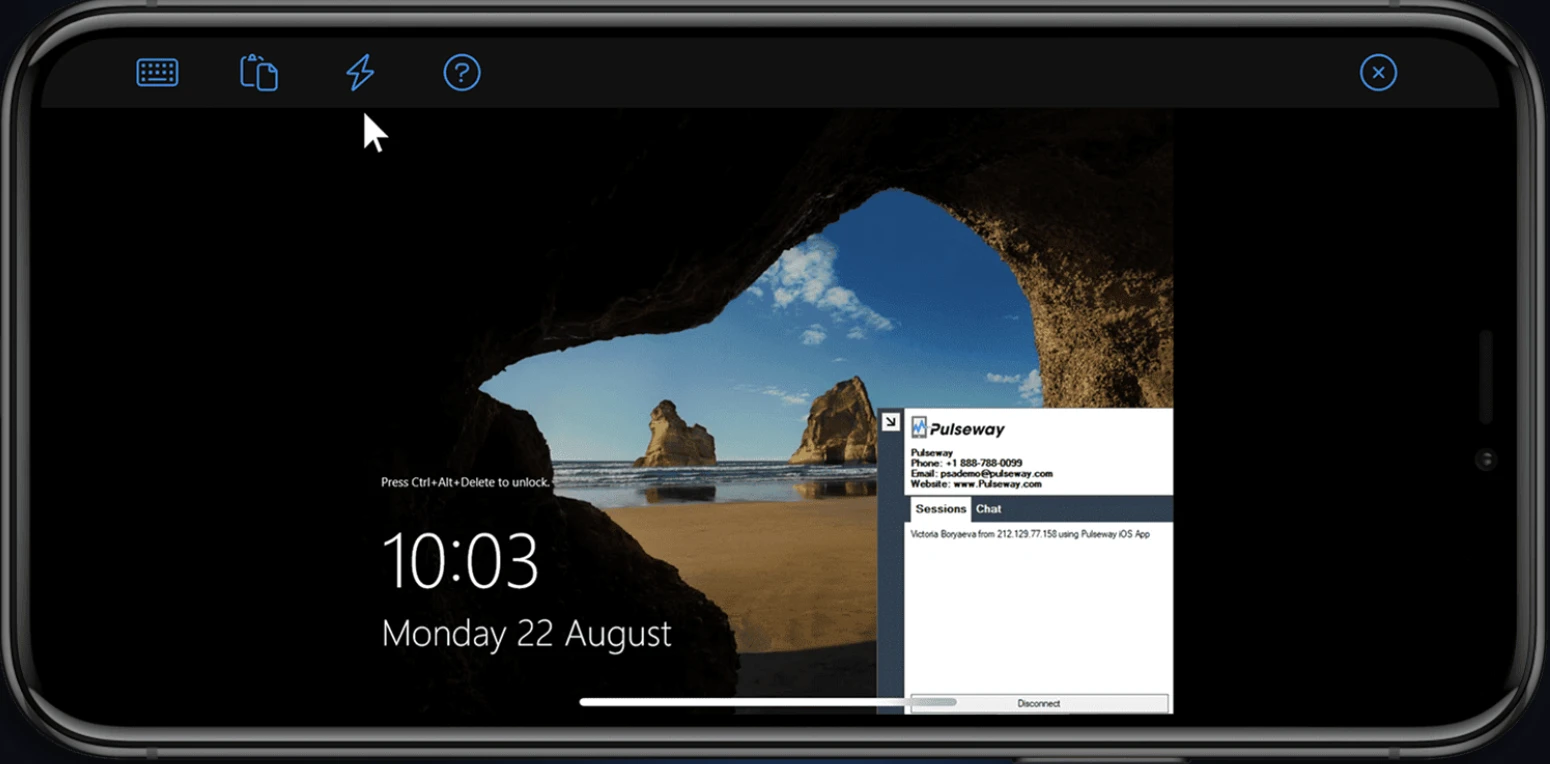
Figura 4: App mobile Pulseway per il controllo remoto.4
Syncro
Syncro include sia RMM sia PSA in ogni piano e utilizza un modello per tecnico con endpoint gestiti illimitati. Il piano Core include supporto live 24/5 e la piattaforma è certificata SOC 2 Type II.
Le organizzazioni che necessitano delle funzionalità di sicurezza e gestione delle identità di Microsoft 365 devono passare al piano Team, che aggiunge l'intera suite di sicurezza e identità di Microsoft 365 insieme a funzionalità di automazione e reporting più avanzate.
Syncro dispone inoltre di un agente Linux nativo per sistemi x64 e ARM64. Il supporto ufficiale è limitato a RHEL e Ubuntu LTS; gli utenti possono installarlo su alcune altre distribuzioni basate su RHEL e Debian aggirando il controllo del sistema operativo, ma Syncro non le supporta ufficialmente.
Casi d'uso della gestione IT all-in-one con case study
Team IT di piccole e medie imprese
NinjaOne con DECKED
DECKED, produttore di sistemi di stoccaggio per cassoni di camion a Ketchum, Idaho, ha utilizzato NinjaOne per gestire una forza lavoro ibrida tra la sede centrale e due stabilimenti produttivi durante una rapida crescita.
L'amministratore IT ha consolidato la gestione degli endpoint, la gestione delle patch, il backup e l'antivirus in un'unica piattaforma. L'automazione ha ridotto il carico di lavoro manuale di circa 20-40 ore alla settimana.5
NinjaOne con Beekmantown Central Schools
Beekmantown Central Schools, un distretto pubblico dalla scuola dell'infanzia fino al grado 12 nello stato di New York settentrionale, ha utilizzato la gestione degli endpoint e la gestione autonoma delle patch di NinjaOne per eliminare la pianificazione manuale delle patch che in precedenza richiedeva settimane di coordinamento degli insegnanti. Il distretto ha registrato una riduzione del 98% nei tempi di risoluzione dei ticket, l'eliminazione di tutti i ticket dell'help desk relativi alle patch, 20 ore risparmiate al mese e un risparmio sui costi del 40% rispetto agli strumenti sostituiti.6
Atera con ITernative
ITernative, un'organizzazione di servizi IT che supporta circa 550 endpoint, ha adottato la piattaforma combinata PSA e RMM di Atera per gestire un modello di reparto IT condiviso da un'unica console.
Atera riferisce che i nuovi operatori hanno raggiunto la competenza in meno di 10 giorni e completato l'implementazione in meno di 30 giorni.7
Provider di servizi gestiti
Kaseya VSA con CST Group Inc.
CST Group Inc., un MSP con sede a New York, gestisce più di 730 endpoint tra comuni, amministrazioni locali e aziende utilizzando Kaseya VSA 10.
L'MSP utilizza RMM, automazione e gestione delle patch per mantenere il monitoraggio della conformità per PCI DSS, le normative FTC e CMMC 2.0, e integra lo scripting PowerShell per la gestione dei ticket.
Kaseya segnala un previsto aumento dell'efficienza di almeno il 75% grazie all'automazione ampliata e una crescita aziendale del 35% in due anni attribuita alla scalabilità senza una crescita proporzionale dell'organico.8
ConnectWise con Mangano
ConnectWise documenta la propria piattaforma Asio come sistema che integra RMM, PSA, quotazioni e automazione in un unico prodotto. Ad esempio, Mangano ha adottato ConnectWise, risparmiando più di 165 ore di tecnico al mese e riducendo l'arretrato di ticket del 50%. 9
NinjaOne con Halcyon Support
Halcyon Support, un MSP con sede a Charlotte, North Carolina, è passato a NinjaOne dopo che il precedente RMM mostrava supporto non reattivo, componenti aggiuntivi di prezzo non divulgati, avvisi inaffidabili e un pacchetto agente di circa 500MB.
I vantaggi includevano fatturazione mese per mese senza contratti a lungo termine e un'infrastruttura cloud ospitata su AWS che supporta la gestione dei dispositivi conforme a HIPAA per clienti medici, legali e della distribuzione.10
Imprese e organizzazioni multi-sito
Microsoft Intune con Lindex
Lindex, rivenditore di moda europeo con circa 400 negozi nell'Europa settentrionale e centrale, ha implementato Microsoft Intune per gestire più di 3.200 dispositivi condivisi basati su store con registrazione Android Enterprise Dedicated.
L'implementazione ha utilizzato l'app Managed Home Screen di Intune, la Shared Device Mode per l'accesso multiutente, il single sign-on di Microsoft Entra ID e la preconfigurazione centralizzata delle app, integrata con Microsoft Teams e gli strumenti di inventario RFID. I risultati segnalati includono routine di inventario più rapide e tempo ridotto nelle attività manuali in centinaia di negozi.11
Quali sono le sfide nell'adattare il software di gestione IT all-in-one?
Il consolidamento su un'unica piattaforma crea un rischio di concentrazione.
- In 2021, gli aggressori hanno sfruttato una vulnerabilità in Kaseya VSA in un attacco ransomware alla catena di fornitura che ha colpito più MSP e i loro clienti.
- CISA e FBI hanno emesso una guida congiunta raccomandando l'applicazione dell'autenticazione multi-fattore, l'allowlist del traffico RMM e la valutazione del rischio della catena di fornitura degli strumenti MSP come mitigazioni.12
- Nel 2024, CVE-2024-1709, un bypass dell'autenticazione in ConnectWise ScreenConnect, è stato aggiunto al catalogo Known Exploited Vulnerabilities di CISA il 22 febbraio 2024, come vulnerabilità attivamente sfruttata.13
- ConnectWise ha inoltre dichiarato nel 2025 che un sofisticato attore stato-nazione ha violato il suo ambiente, colpendo un sottogruppo di clienti ScreenConnect.14
Poiché le piattaforme RMM possono avere accesso privilegiato a molti endpoint, una compromissione può avere un impatto maggiore rispetto a una vulnerabilità in un'applicazione isolata.
Cita questa ricerca
Scegli il formato adatto a dove pubblicherai. Incollare la versione con link nel tuo CMS preserva il backlink.
@misc{dilmegani2026,
  author = {Dilmegani, Cem and Ermut, Sıla},
  title  = {{Confronta le migliori 10 piattaforme all-in-one di gestione IT}},
  year   = {2026},
  month  = sep,
  howpublished    = {\url{https://aimultiple.com/all-in-one-it-management}},
  note   = {AIMultiple. Consultato il 8 settembre 2026}
}Risultati e timestamp di 10 punti dati. Scarica i dati di sintesi mostrati nei grafici e nelle tabelle di questo articolo come file ZIP contenente un file CSV.
Vuoi i dati granulari che ci stanno dietro? Passa a Premium
Collegamenti di riferimento
Il lavoro di Cem presso AIMultiple è stato citato da importanti testate internazionali tra cui Business Insider, Forbes, Morning Brew e Washington Post, da aziende globali come Deloitte e HPE, da ONG come il World Economic Forum e da organizzazioni sovranazionali come la Commissione europea. [1], [2], [3], [4], [5]
Nel corso della sua carriera, Cem ha lavorato come consulente tecnologico, acquirente tecnologico e imprenditore tecnologico. Ha consigliato le aziende sulle loro decisioni tecnologiche presso McKinsey & Company e Altman Solon per più di un decennio. Ha inoltre pubblicato un report McKinsey sulla digitalizzazione.
Ha guidato la strategia tecnologica e gli approvvigionamenti di una società di telecomunicazioni rispondendo direttamente al CEO. Ha inoltre guidato la crescita commerciale dell'azienda deep tech Hypatos, che ha raggiunto ricavi ricorrenti annuali a 7 cifre e una valutazione a 9 cifre partendo da zero in 2 anni. Il lavoro di Cem in Hypatos è stato ripreso da importanti testate tecnologiche come TechCrunch e Business Insider.
Cem interviene regolarmente a conferenze tecnologiche internazionali. Si è laureato come ingegnere informatico presso l'Università di Bogazici e possiede un MBA della Columbia Business School.

In precedenza ha lavorato come reclutatrice in società di project management e consulenza. Sıla ha conseguito un Master of Science in Psicologia Sociale e un Bachelor of Arts in Relazioni Internazionali.


Sii il primo a commentare
Il tuo indirizzo email non verrà pubblicato. Tutti i campi sono obbligatori. I commenti vengono lasciati nella loro lingua originale.