


SCADA Sistemleri: En İyi 10 SCADA Yazılımının Karşılaştırması

Denetleyici Kontrol ve Veri Toplama (SCADA) sistemleri, endüstriyel altyapının operasyonel omurgasını oluşturur. Ancak bir platform seçmek uzun vadeli bir taahhüttür. Bu sistemler genellikle 10 ila 20 yıl çalışır ve birine sahip olmanın toplam maliyeti yüksektir. Bu da seçimi geri döndürmeyi zorlaştırır.
Tedarik kararlarına rehberlik etmek için 10 büyük SCADA sistemini lisanslama modelleri, teknik mimariler, güvenlik sertifikaları ve sektöre özel kontrol yetenekleri açısından karşılaştırıyoruz.
SCADA sistemlerinin karşılaştırması
Platform | Lisanslama Modeli | Windows dışı işletim sistemi* | Bulut dağıtımı | Ücretsiz Deneme | Fiyat |
|---|---|---|---|---|---|
Ignition SCADA | Sunucu başına sınırsız | MacOS, Linux | ✕ | ✓ | $13,500 |
AVEVA System Platform | Etiket başına veya kullanıcı başına | ✕ | ✕ | ✕ | $12,360 |
AVEVA Enterprise SCADA | Kademeli etiket başına | Linux | ✕ | ✕ | N/A |
AVEVA Plant SCADA | Kademeli etiket başına | ✕ | ✕ | ✕ | N/A |
SIMATIC WinCC Unified | N/A | ✕ | ✕ | ✕ | N/A |
GE iFIX | Kademeli etiket başına | ✕ | ✓ | ✓ | N/A |
GE CIMPLICITY | Kademeli etiket başına | ✕ | ✓ | ✕ | N/A |
Schneider Geo SCADA Expert | Kademeli istemci başına | ✕ | ✕ | ✕ | N/A |
Honeywell Experion PKS | N/A | ✕ | ✕ | ✕ | N/A |
zenon (COPA-DATA) | Etiket başına veya sınırsız | ✕ | ✕ | ✕ | N/A |
*Yukarıdaki platformların tümü Windows'ta yerel olarak çalışır.
NA, bu konuda herhangi bir bilgi bulamadığımızı gösterir.
Ignition SCADA
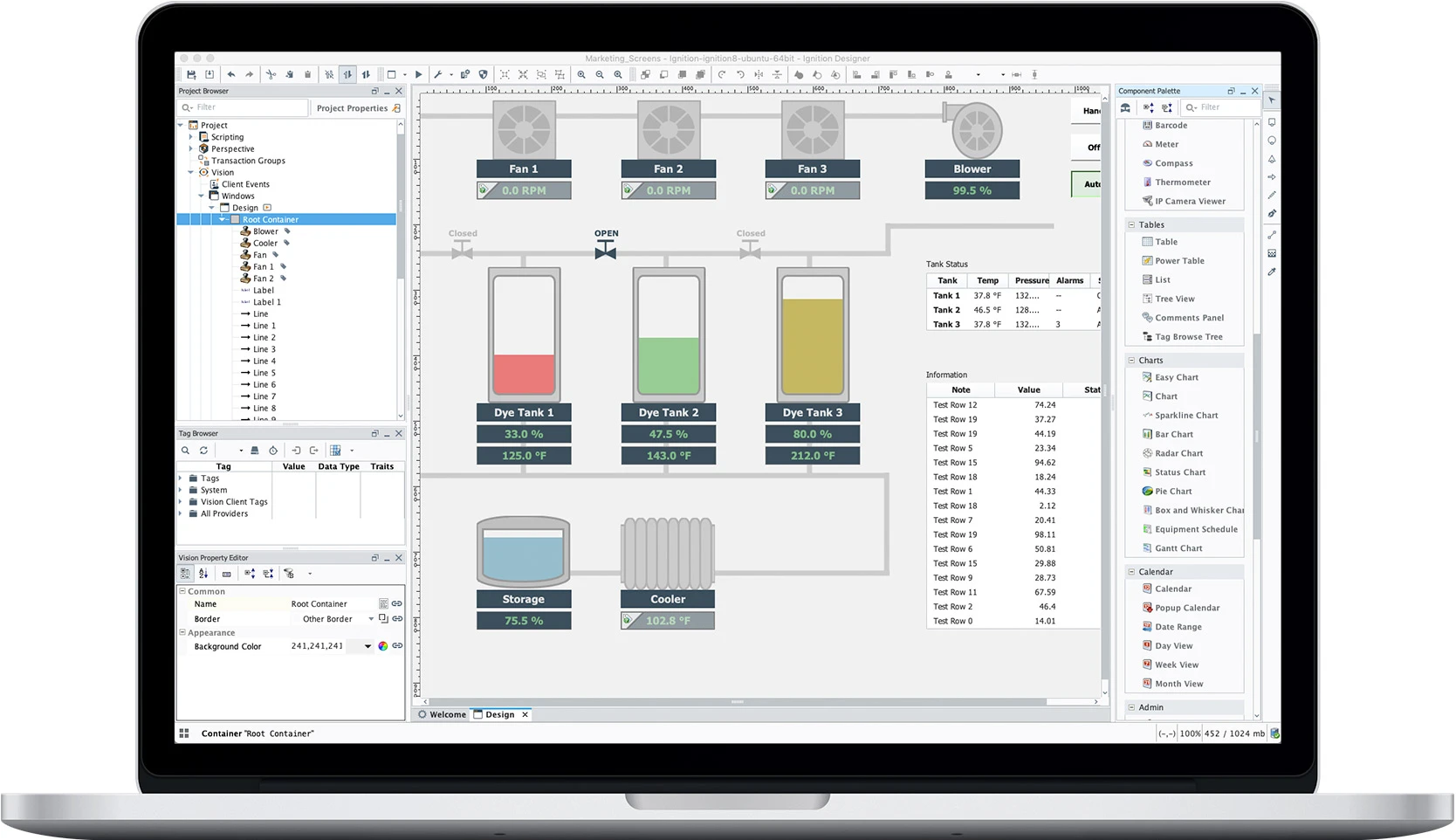
Çok tesisli üretim ve su tesisleri için uygundur, çünkü siteleri sınırsız olarak eklemenize olanak tanır. Eylül 2025'te yayınlanan Ignition 8.3, yerleşik Git sürüm kontrolü, yerel REST API'ler ve güvenilmez ağlar için geliştirilmiş store-and-forward özelliği ekledi.1 Ancak, yerel MQTT Sparkplug B desteği, ayrı Cirrus Link modülleri satın almayı gerektirir.
Masaüstü, tablet ve mobil cihazlarda HTML5 duyarlı görselleştirme için Perspective modülü, ayrı istemci lisansları gerektirmez.
AVEVA System Platform (eski adıyla Wonderware)
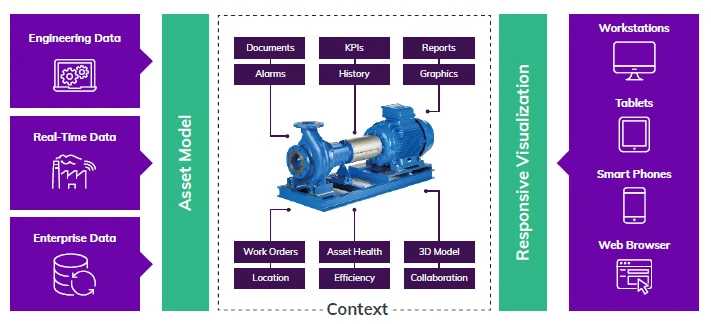
AVEVA System Platform, bir Operasyon Yönetim Arayüzü (OMI) ve şablon tabanlı bir mühendislik modeli etrafında inşa edilmiştir. Yerleşik düğümden düğüme TLS şifrelemesi ile şirket içi, bulut ve hibrit kurulumları destekler. Görselleştirme; masaüstü, tablet, akıllı telefon ve web tarayıcılarında çalışır, AVEVA Connect veya üçüncü taraf sağlayıcılar aracılığıyla tek oturum açma (SSO) imkanı sunar. Eklenti OMI Uygulamaları ek görevleri kapsar: harita tabanlı coğrafi görünümler, 3B varlık görünümleri, PLC mantık sorun giderme ve Vision AI ile kamera beslemesi izleme.
AVEVA Enterprise SCADA
AVEVA Enterprise SCADA, genel amaçlı SCADA için değil, petrol ve gaz boru hattı ve gaz dağıtım operasyonları için özel olarak üretilmiştir. AVEVA'nın Midstream uygulamalarının altındaki platform katmanı olarak hizmet verir ve kontrol odası operatörlerine gerçek zamanlı veri iletmek için çok yedekli, itme tabanlı bir mimari kullanır.
AVEVA Plant SCADA (eski adıyla Citect SCADA)
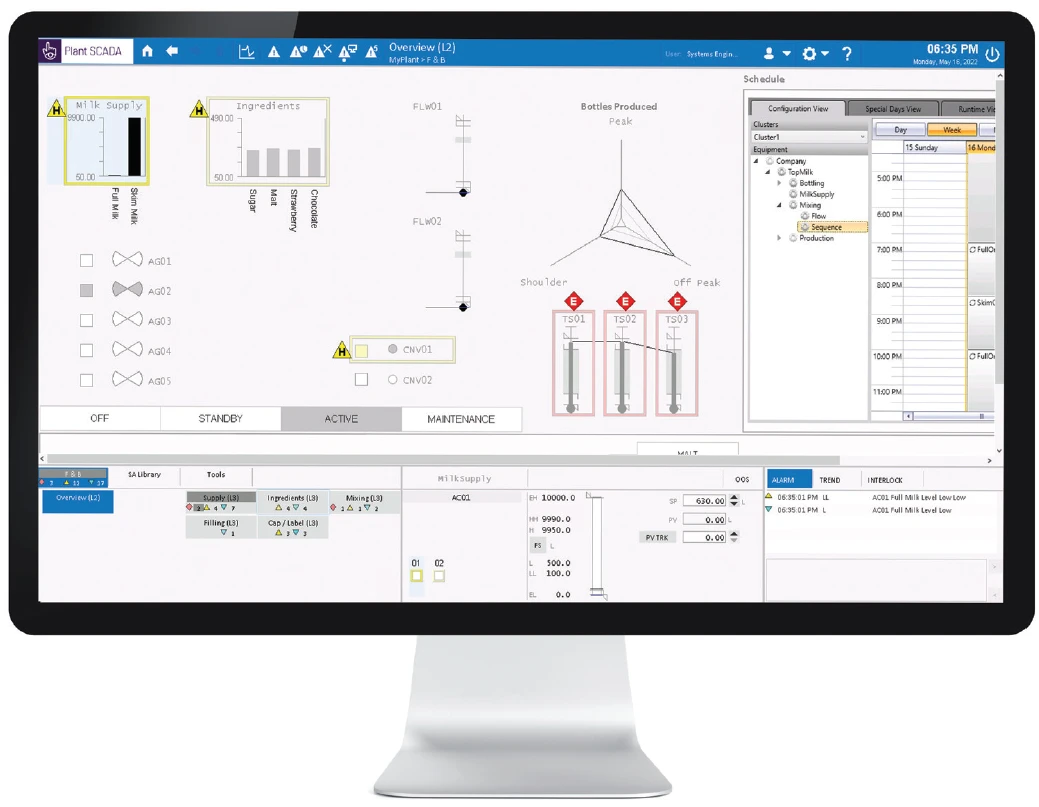
AVEVA Plant SCADA, yüksek etiket sayılarına ihtiyaç duyan endüstriyel tesis operasyonları için tasarlanmıştır. Bağlantı kütüphanesi; OPC UA, BACnet, IEC 61850, Modbus, DNP3 ve IEC 60870 dahil olmak üzere 150'den fazla yerel protokol sürücüsünü destekler. Mühendislik, ekipman tabanlı etiket referanslaması etrafında düzenlenir; örneğin, bir pompa; etiketlerini, alarmlarını, izinlerini, iletişimlerini, zamanlamasını ve komut dosyalarını tek bir mantıksal yapıda gruplandırır. Mimari varsayılan olarak dağıtıktır ve aynı düğümde çalışabilen veya yedeklilik için düğümler arasında bölünebilen dört görev türü (I/O iletişimi, alarm yönetimi, raporlama ve trendler ve görseller) içerir.
Siemens SIMATIC WinCC Unified
SIMATIC WinCC Unified, Siemens'in mevcut nesil SCADA ve HMI yazılımıdır ve tek bir makineden tüm tesise kadar her boyuttaki kurulum için çalışır. Sınırsız sayıda veri noktasını (etiket) ve sınırsız istemciyi destekler, böylece uzak kullanıcılar kurulum gerektiren hiçbir istemci yazılımı olmadan standart bir web tarayıcısı üzerinden bağlanabilir.
Platform, açık OPC UA ve GraphQL arayüzleri aracılığıyla BT katmanına bağlanır ve çalışma zamanı komut dosyası oluşturma, Openness arayüzleri aracılığıyla JavaScript kullanır. WinCC Unified ayrıca belirli işler için eklentilere sahiptir: ISA-88 yığın ve reçete kontrolü için SIQENCE, reçete yönetimi ve yığın dokümantasyonu için PM paketi (PM-CONTROL, PM-ANALYZE, PM-QUALITY) ve güç, gaz ve medya tüketimini yönetmek için ResCon. Ayrıca, kullanıcıların farklı satıcılardan makine yapılandırmalarını otomatik olarak içe aktarmasını ve görselleştirmesini sağlayan bir standart olan MTP 2.0'ı (Modül Tipi Paketi) destekleyen ilk üründü.
GE Vernova iFIX
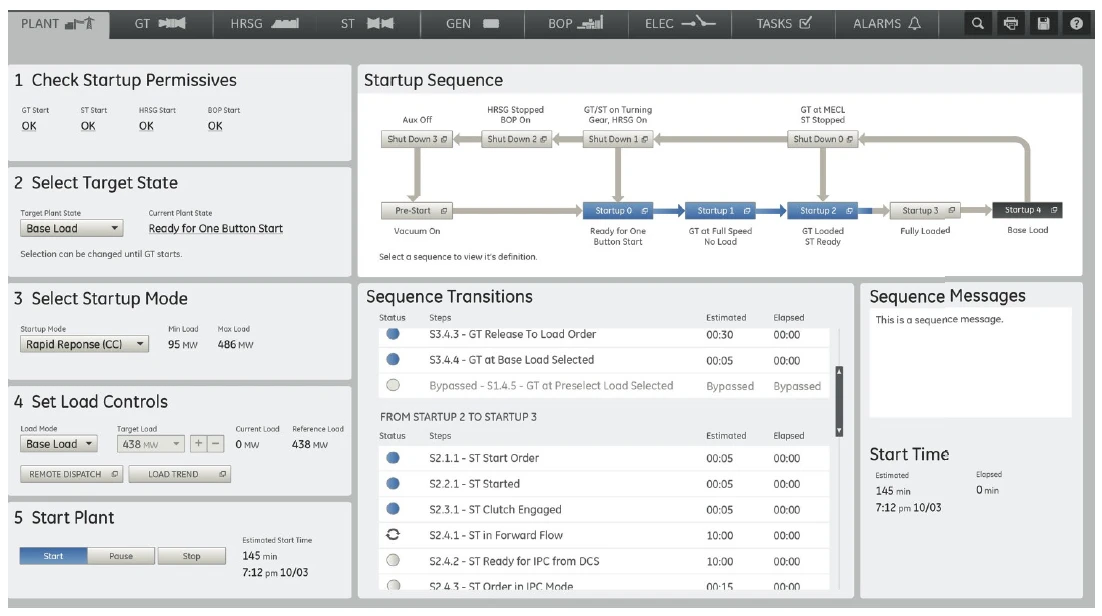
iFIX, GE Vernova'nın Proficy ailesinin bir parçası olan HMI ve SCADA platformudur. Yapılandırma, Configuration Hub aracılığıyla merkezi ve web tabanlıdır; burada kullanıcılar PLC'lere bağlanır, tanklar ve pompalar gibi ekipmanlar için yeniden kullanılabilir nesne şablonları oluşturur ve iFIX ile Proficy Historian'da otomatik olarak etiketler oluşturur.
Bağlantı; bir OPC UA sunucusu, OPC UA'ya çeviri yapan bir MQTT5 istemcisi ve isteğe bağlı Industrial Gateway Server aracılığıyla 70'ten fazla sürücü içerir. Şirket içinde, bulutta (Azure veya AWS) veya hibrit bir yapılandırmada çalışır, CFR 21 Kısım 11 elektronik imzalarını destekler ve yedekleme için yerel SCADA Senkronizasyonunu kullanır.
GE Vernova CIMPLICITY
CIMPLICITY, GE Vernova'nın Proficy ailesindeki diğer HMI/SCADA platformudur ve istemci/sunucu görselleştirmesi için üretilmiştir. Yapılandırma; SCADA, historian ve görselleştirme ile paylaşılan Configuration Hub aracılığıyla merkezidir ve platform nesne yönelimli bir tasarım (sınıflar ve nesneler) kullanır, böylece kullanıcılar sıfırdan başlamak yerine yeniden kullanılabilir şablonlar oluşturabilir.
Komut dosyası oluşturma; Python, .NET ve VB'yi destekler. Bağlantı; bir OPC UA sunucusu, MQTT'yi OPC UA'ya çeviren bir MQTT5 istemcisi ve isteğe bağlı Industrial Gateway Server aracılığıyla 70'ten fazla sürücü içerir. Şirket içinde veya bulutta (Azure, AWS, hibrit) çalışır, SQL ve Proficy Historian'a geçmiş veri kaydı yapar ve sertifika tabanlı iletişim ile ISO 27001 ve IEC 62443 güvenlik rehberliğini takip eder.
Schneider Electric EcoStruxure Geo SCADA Expert (eski adıyla ClearSCADA)
Geo SCADA Expert, Schneider Electric'in su sistemleri, elektrik dağıtımı ve boru hatları gibi geniş bir alana yayılmış varlıklar için SCADA platformudur. ViewX istemcisi, operatörlerin sistemi yapılandırmak, kontrol etmek ve uzaktan izlemek için kullandığı araçtır ve Windows'ta çalışır. Platform; SCADAPack RTU'lar (300, 47x, 57x ve E-serisi) ve Trio lisanslı ve lisans-free telsizler dahil olmak üzere Schneider'in kendi saha donanımıyla konuşmak üzere inşa edilmiştir.
Honeywell Experion PKS
Experion PKS (Süreç Bilgi Sistemi), Honeywell'in büyük süreç operasyonları için platformudur. Dikkat edilmesi gereken bir nokta: Experion PKS, bağımsız bir SCADA aracı değil, SCADA'nın yerleşik olduğu bir DCS'dir (dağıtılmış kontrol sistemi). Bir DCS, bir rafineri ünitesi gibi tek bir büyük süreci kontrol ederken, SCADA genellikle birçok tesise yayılmış ekipmanı izler. Bu nedenle Experion, hafif izleme işlerinden çok büyük sürekli süreç tesislerine uygundur. Operatörler; yanıt sürelerini hızlandırmayı, yorgunluğu azaltmayı ve durumsal farkındalığı artırmayı hedefleyen Experion Station ve Console kullanıcı arayüzlerini kullanır.
Honeywell ayrıca, barındırılan bir abonelik olarak sunulan SCADA hizmeti olarak (SCADA-as-a-service) sürümü Experion Elevate'i ve daha küçük HMI/SCADA ihtiyaçları için Experion HS'yi sunar.
COPA-DATA'dan Zenon
Zenon, Avusturyalı bir şirket olan COPA-DATA'nın SCADA ve HMI platformudur. COPA-DATA bunu geniş bir 'yazılım platformu' olarak adlandırır, ancak özünde standart SCADA işlerini yapar: PLC'lerden ve saha cihazlarından veri toplamak, makineleri gerçek zamanlı olarak göstermek ve kontrol etmek, alarmları yönetmek ve raporlar ve trendler için geçmiş verileri depolamak.
Sektöre Göre SCADA Platformu Seçimi
Farklı sektörlerin farklı ihtiyaçları vardır: protokoller, düzenlemeler, ölçek ve sahadaki PLC'ler. Her birinin en iyi yaptığı işe dayanarak hangi platformların nereye uyduğunu burada bulabilirsiniz.
Ayrık üretim ve otomotiv
Siemens tesisleri, TIA Portal aracılığıyla WinCC Unified'dan aynı faydayı elde eder. CIMPLICITY büyük, karmaşık operasyonlar için uygundur: 500.000 noktanın ötesine ölçeklenir ve GE Vernova 1,5 milyonun üzerinde dağıtımlardan bahseder. Zenon da otomotivde yaygındır; kullanıcıları arasında Toyota ve Ford bulunur.
Süreç ve yığın üretimi
Kimyasallar, yiyecek ve içecek ve benzeri sektörler genellikle ISA-88 standardına göre yığın kontrolüne ihtiyaç duyar. AVEVA System Platform, Batch Management modülü aracılığıyla bunu yönetir. Büyük sürekli süreç tesisleri için Honeywell Experion PKS daha da ileri gider: her ikisi de kontrol, güvenlik ve süreç optimizasyonunu tek bir sistemde birleştirir.
Petrol ve gaz boru hatları
AVEVA Enterprise SCADA, API RP 1165 standardına göre tasarlanmış kontrol odası ekranları ile boru hatları için özel olarak üretilmiştir. GE iFIX de uzun bir boru hattı geçmişine sahiptir. Büyük rafinaj ve LNG projeleri için Honeywell Experion PKS yaygın seçimdir.
Elektrik tesisleri ve trafo merkezleri
Schneider EcoStruxure Geo SCADA Expert, geniş bir alana yayılmış varlıklar için üretilmiştir. Yerleşik GIS haritalama ve güçlü DNP3 ve IEC 60870-5 desteği içerir. Dijital trafo merkezleri için Zenon güçlü bir seçenektir: IEC 61850 Edition 2 istemcisi sertifikalıdır ve geniş bir enerji protokolü yelpazesini destekler.
Su ve atık su
Ignition burada iyi çalışır çünkü sınırsız lisanslaması, birçok uzak pompa istasyonuna yayılmayı ucuz hale getirir. Geo SCADA Expert; uyumluluk raporlaması ve düşük bant genişlikli ağlar üzerinde güvenilir izleme sunan bir diğer güçlü seçenektir.
Bina otomasyonu ve akıllı altyapı
ICONICS GENESIS64, yerel BACnet desteği ve binalar ve kampüsler için 3B görselleştirme ile buraya uyar.
İlaç, biyoteknoloji ve düzenlemeye tabi sektörler
Bu tesisler, elektronik kayıtlar ve imzalar için 21 CFR Kısım 11 desteğine ihtiyaç duyar. GE iFIX ve AVEVA System Platform'un her ikisi de iyi belgelenmiş desteğe sahiptir, AVEVA InTouch HMI'da olduğu gibi. Zenon'un ISA-95 ekipman modellemesi de düzenlemeye tabi ortamlarda yardımcı olur. Çoğu büyük platform bir miktar Kısım 11 desteği iddia eder, bu nedenle asıl soru her birinin bunu denetçileriniz için ne kadar net bir şekilde belgelediğidir.
Modern SCADA sistemleri nasıl çalışır?
SCADA mimarileri, endüstriyel otomasyonu dört farklı katman halinde düzenler.
Katman 1: Saha cihazları; akış, basınç ve sıcaklık gibi fiziksel koşulları ölçen sensörler, aktüatörler ve akıllı cihazlardan oluşur. Bu kritik cihazlar, tipik olarak 4-20 mA analog döngüler veya HART ve Foundation Fieldbus gibi dijital varyantlar olan ham sinyaller üretir.2
Katman 2: Kontrol katmanı, Programlanabilir Lojik Kontrolörler (PLC'ler) ve Uzak Terminal Birimleri (RTU'lar) içerir. PLC'ler, SCADA sunucusundan bağımsız olarak milisaniye döngülerinde gerçek zamanlı kontrol mantığını yürütür ve SCADA katmanı arızalansa bile çalışmaya devam eder. RTU'lar; hücresel, uydu veya radyo ağları üzerinden bant genişliğini korumak için sabit yoklama aralıkları yerine olay güdümlü iletim kullanarak coğrafi olarak dağıtılmış tesislere hizmet verir.3
Katman 3: SCADA sunucu katmanı; toplama sunucuları aracılığıyla veri toplar, endüstriyel süreç değişkenlerini adlandırılmış adreslerle eşleyen etiket veritabanlarını yönetir, zaman serisi verilerini sıkıştırmalı olarak historian'larda depolar, alarm durumlarını yönetir ve operatörler için HMI ekranlarını oluşturur.4
Katman 4: Kurumsal entegrasyon; SCADA verilerini tüketen MES, ERP ve iş zekası araçlarını içerir. Modern mimariler, geleneksel noktadan noktaya entegrasyonların yerini alarak, veri üreticilerini tüketicilerden ayıran ve bir MQTT broker'ının merkezi bir hub olarak hizmet verdiği Birleşik Ad Alanı modelini giderek daha fazla benimsemektedir.5
Temel SCADA iletişim protokolleri
Protokol desteği, entegrasyon karmaşıklığını ve uzun vadeli birlikte çalışabilirliği belirler.
OPC UA, fabrika sahası entegrasyonu için satıcıdan bağımsız endüstri standardı olarak hizmet verir; platformlar arası destek, SignAndEncrypt dahil yerleşik güvenlik modları ve zengin ham veri modellemesi sağlar.6 Alman Federal Bilgi Güvenliği Ofisi resmi bir analiz gerçekleştirmiş ve OPC UA spesifikasyonunda sistematik hata bulamamıştır. Ancak, OPC UA'nın pratik dağıtımının önemli zorluklar sunduğunu da belirtmektedirler.6
Sparkplug B ile MQTT, artık yeni IIoT projeleri için yaygın bir seçimdir. Bir broker üzerinden çalışan, bant genişliğini azaltan ve sistemleri gevşek bağlı tutan hafif bir yayınla-abone ol modeli kullanır.5 Sparkplug B, Google Protocol Buffers kullanarak yapılandırılmış yük formatları ve cihaz durum yönetimi için doğum ve ölüm sertifikaları ekler.
Modbus TCP/RTU, eski cihaz entegrasyonu için her yerde mevcut olmaya devam eder, ancak yerleşik güvenlikten yoksundur ve ek ağ korumaları gerektirir.
DNP3, zaman senkronizasyonu, veri sınıflandırması ve NERC CIP uyumluluğu için güvenli kimlik doğrulama gibi özelliklerle güvenilmez geniş alan iletişim ağları için optimize edilmiş olarak Kuzey Amerika elektrik tesislerinde baskındır.7
IEC 60870-5-104, özellikle Avrupa ve Latin Amerika pazarlarında elektrik tesisi telemetrisi için DNP3'ün uluslararası karşılığı olarak hizmet verir.8
BACnet, HVAC, aydınlatma ve erişim kontrol sistemleriyle entegrasyon sağlayarak bina otomasyonu için bir standart sunar.
 Tercih edilen kaynak olarak ekle
SCADA sistemi nasıl seçilir?
Bir SCADA platformu seçmek; teknik özelliklerin, lisanslama maliyetlerinin ve şirket içi operasyonel uzmanlığın değerlendirilmesini gerektirir.
Adım 1: Gereksinimleri tanımlayın; etiket sayılarını ve büyüme projeksiyonlarını, tesis sayısını, düzenleyici zorunlulukları (FDA 21 CFR Kısım 11, NERC CIP, EPA) ve ERP veya MES sistemleriyle entegrasyon ihtiyaçlarını belgeleyerek.9
Adım 2: PLC ekosistemi uyumluluğunu değerlendirin. Allen-Bradley atölyeleri, FactoryTalk'un paylaşılan etiket veritabanlarından faydalanır.10 Çok satıcılı tesisler, satıcıdan bağımsız OPC UA desteği için Ignition veya FrameworX'i değerlendirmelidir.
Adım 3: 10 yıllık TCO'yu hesaplayın; yazılım lisanslaması (kalıcı ve abonelik karşılaştırması), genellikle lisans değerinin 16-%25'i arasında değişen yıllık bakım ücretleri, donanım maliyetleri ve entegrasyon ve uygulama hizmet maliyetleri dahil.
Adım 4: Satıcı uygulanabilirliğini ve bölgesel entegratör mevcudiyetini değerlendirin. Rockwell'in Platin Sistem Entegratörü programı, büyük proje yetenekleri gösterilmiş SAGE Automation gibi ortakları belirler.
Adım 5: Satıcı demolarıyla değil, gerçek PLC'ler ve gerçek operatörlerle kavram kanıtı testi yapın. Alarm seli yönetimini, yük altında historian geri getirme performansını ve simüle edilmiş donanım arızaları sırasında yedekleme davranışını değerlendirin.
Adım 6: Bağlantı güvenilirliği ve düzenleyici veri egemenliğine dayalı bir dağıtım modeli seçin. Şirket içi, NERC CIP kritik altyapısı ve gizli ortamlar için zorunlu olmaya devam eder.11 Bulut ve hibrit modeller dağıtılmış varlıklar için uygundur ancak kontrol fonksiyonları için ağ bağımlılıklarının dikkatli bir şekilde değerlendirilmesini gerektirir.
Adım 7: Genişletilebilirliği doğrulayın; bulut hazırlığını, birleşik ad alanı mimarileri için MQTT ve Sparkplug B yerel desteğini ve AI/ML entegrasyonu için açık API'leri onaylayarak.
Bu araştırmayı kaynak gösterin
Yayınlayacağınız yere uygun formatı seçin. Bağlantılı sürümü CMS'inize yapıştırmak, geri bağlantıyı korur.
@misc{dilmegani2026,
  author = {Dilmegani, Cem and Arslan, Ezgi},
  title  = {{SCADA Sistemleri: En İyi 10 SCADA Yazılımının Karşılaştırması}},
  year   = {2026},
  month  = may,
  howpublished    = {\url{https://aimultiple.com/scada-systems}},
  note   = {AIMultiple. Erişim tarihi: 25 Mayıs 2026}
}10 veri noktasının sonuçları ve zaman damgaları. Bu makaledeki grafik ve tablolarda gösterilen özet verileri, bir CSV dosyası içeren ZIP dosyası olarak indirin.
Arkasındaki ayrıntılı veriyi ister misiniz? Premium'a katılın
Referans Linkleri

Sıradaki Okunma
En İyi Firecrawl Alternatifleri: Özellikler ve Fiyatlandırma

eBay Scraping: En İyi 6 Sağlayıcı Karşılaştırması
En İyi 12 RPA Yazılımı ve Özellikleri

En İyi 20 Yapay Zeka GRC Yazılımı ve Teknolojisi

En İyi E-Ticaret Dataset Sağlayıcıları

En İyi 5 Yapay Zeka Güvenlik Önlemi: Xnode Cortx ve Weights and Biases


Yorum yapan ilk kişi olun
E-posta adresiniz yayınlanmayacak. Tüm alanlar gereklidir. Yorumlar orijinal dilinde bırakılır.